
 EdCircuit Staff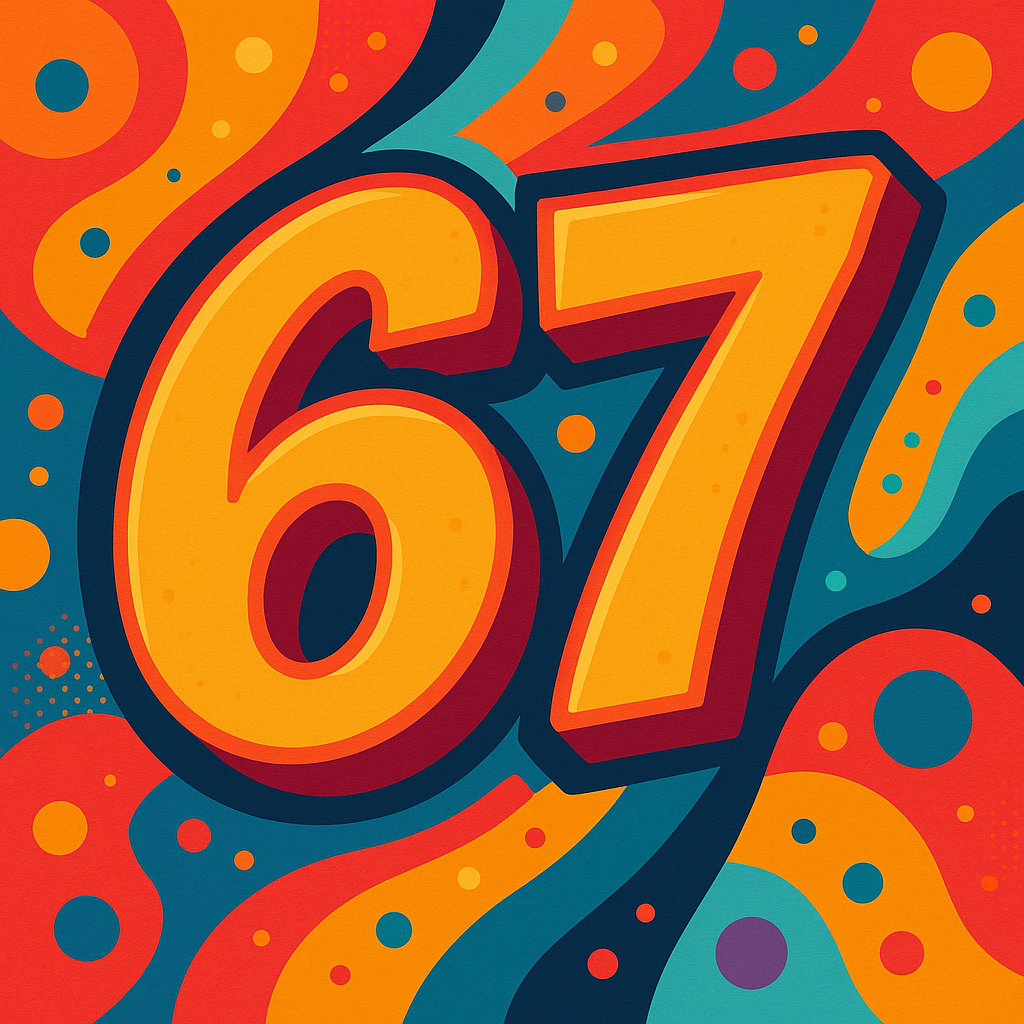
Table of Contents
The 67 slang moment didn’t arrive gently. It showed up one morning like it owned the place. You hear it in the parking lot before the bell even rings. Someone yells “67!” while jumping off the bus. A second grader whispers “six… seven…” into a friend’s ear like she’s passing along state secrets. A high-schooler writes “67” in the corner of every whiteboard he passes.
And a teacher in the middle of all this just closes her eyes and thinks, Here we go again.
No one really knows what “67” means, which is exactly why it works. It came from Skrilla’s 2024 rap song “Doot Doot (6 7)”, a track where the number isn’t explained or even hinted at. Skrilla later said he didn’t “put an actual meaning on it.”
Students heard that and essentially said, “Perfect.”
It spread like wildfire—not because of meaning, but because of sound, timing, and social momentum. That’s the interesting part for educators: it’s slang, but it behaves like a meme.
We’ve Seen These Waves Before, Just With Different Wrapping
Every decade has its youth-coded language or cultural thing adults don’t get.
-
1980s: The California Raisins. Plastic raisins with sunglasses. No explanation.
-
1990s: Wayne’s World and “Schwing!” echoing down school hallways.
-
Early 2000s: The Flossing era, so intense that schools made “No Flossing” zones.
-
2010s: The “What are those?!” shout that ruined many calm hallways.
“67” is the next entry in a long list of harmless student obsessions that adults watch with equal parts amusement and exhaustion.
The cycle never changes. Only the vocabulary does.
Why Students Love Slang Like “67”
Kids don’t use “67” because it communicates anything. They use it because it solves a few social problems instantly.
1. It creates a connection with zero risk
A kid can shout “67!” at someone across the cafeteria and get a laugh instead of a weird look. It’s an instant, low-stakes handshake.
2. It adds play to a day that doesn’t always feel playful
School can be heavy. Schedules, grades, expectations, friendships, and social pressure collide constantly.
A nonsense number gives them a quick emotional reset.
3. Adults don’t understand it
Whether they admit it or not, kids love this.
Youth slang is partly about identity, and partly about carving out a space adults can’t walk into.
“67” checks every box.
Why Adults Don’t Love It (And Never Have With Any Slang)
Teachers and parents don’t dislike fun. They just dislike the timing of the fun.
1. It pops up exactly when things get quiet
There’s always one perfect “67!” right as the teacher starts the lesson.
2. It’s contagious
Once one kid says it, everyone else has to test their version. Loudly.
3. It feels familiar in a tiring way
Educators have lived through a dozen versions of this already.
They can smell a coming distraction the way dogs smell storms.
Still, educators understand the deeper truth: these moments help kids bond. The challenge is keeping the bonding under the decibel level of a jet engine.
Where 67 Slang Shows Up in Schools
It appears everywhere because it requires nothing—no dance, no prop, no setup, just willingness.
Teachers report hearing it:
-
during attendance
-
in spelling tests
-
shouted into lockers
-
whispered during group work
-
written in planners
-
drawn on homework margins
-
yelled across playgrounds
-
used as a greeting, a farewell, and occasionally a complaint
One teacher said she caught a student saying “67?” to a Chromebook that wouldn’t load. We don’t know why, but we also don’t need to.
Slang thrives when it feels absurd.
Why Schools Can’t Stop It (And Probably Shouldn’t Try)
Some administrators try to shut down trends like this. It never works.
You can ban a toy. You can’t ban a number.
Other schools just let it run its course.
This tends to work better, because slang fatigue eventually sets in.
Kids get bored. They move on.
Adults don’t have to fight everything that makes noise.
Classroom Tips for Handling 67 Slang Without Losing Your Mind
Not every strategy will fit every teacher’s style, but here are a few approaches that tend to help:
1. Redirect instead of resist
For younger grades:
“Alright, save the 67s for later. We’re switching gears now.”
For older grades:
“Get one more out of your system. Then we’re done.”
Short, simple, and surprisingly effective.
2. Turn it into a quick routine
Teachers already use call-and-response. This is just a remix.
Teacher: “6!”
Students: “7!”
Teacher: “And now we’re moving.”
It buys focus because it honors the moment.
3. Fold it gently into lessons
A math problem that includes “67” makes students snicker but also keeps them engaged.
An ELA discussion about slang and generational language opens interesting doors.
No need to overuse it. Just show students you know the world they occupy.
4. Make it an incentive
“Hit our goal, and you get a 67-second joke break today.”
Kids love specificity.
And 67 seconds feels like a reward and a joke at the same time.
5. Use it to talk about how language spreads
“Why did this catch on? Why not another number? How do inside jokes form?”
Students like pulling apart language once they realize they’re allowed to.
Why This Kind of Slang Is Useful, Not Just Annoying
Slang gives kids:
-
a shared identity
-
a safe way to connect
-
a way to test humor without embarrassment
-
a sense of contribution to youth culture
-
something light inside a heavy school day
It looks silly, but it matters. The classroom feels different when students feel like they’re part of something—even if that “something” makes zero sense.
Educators often talk about culture-building in big, serious ways. But sometimes students build culture sideways, through jokes, sounds, and throwaway expressions.
Slang like “67” is part of that ecosystem.
Eventually It Fades — Because All Slang Does
And if you need one final sign that 67 grew way past a hallway joke, here it is: Dictionary.com named it the 2025 Word of the Year. A number with no meaning beats every real word in the English language. Kids win again.
No slang trend stays forever. Kids drop it the moment adults finally understand it.
Or they drop it because the next nonsensical thing shows up on TikTok at 1 a.m.
Soon we’ll hear a new sound, number, or phrase echoing through the hallways.
The adults will say, “What does that mean?”
And the kids will say, “You won’t get it.”
And the circle continues.
For now, “67” is the reigning champ.
And as far as school trends go, it’s harmless, funny, and endlessly confusing—exactly how good slang works.

Today – Why Some Schools Are Banning ‘6-7’ Slang Craze
Subscribe to edCircuit to stay up to date on all of our shows, podcasts, news, and thought leadership articles.