 EdCircuit Staff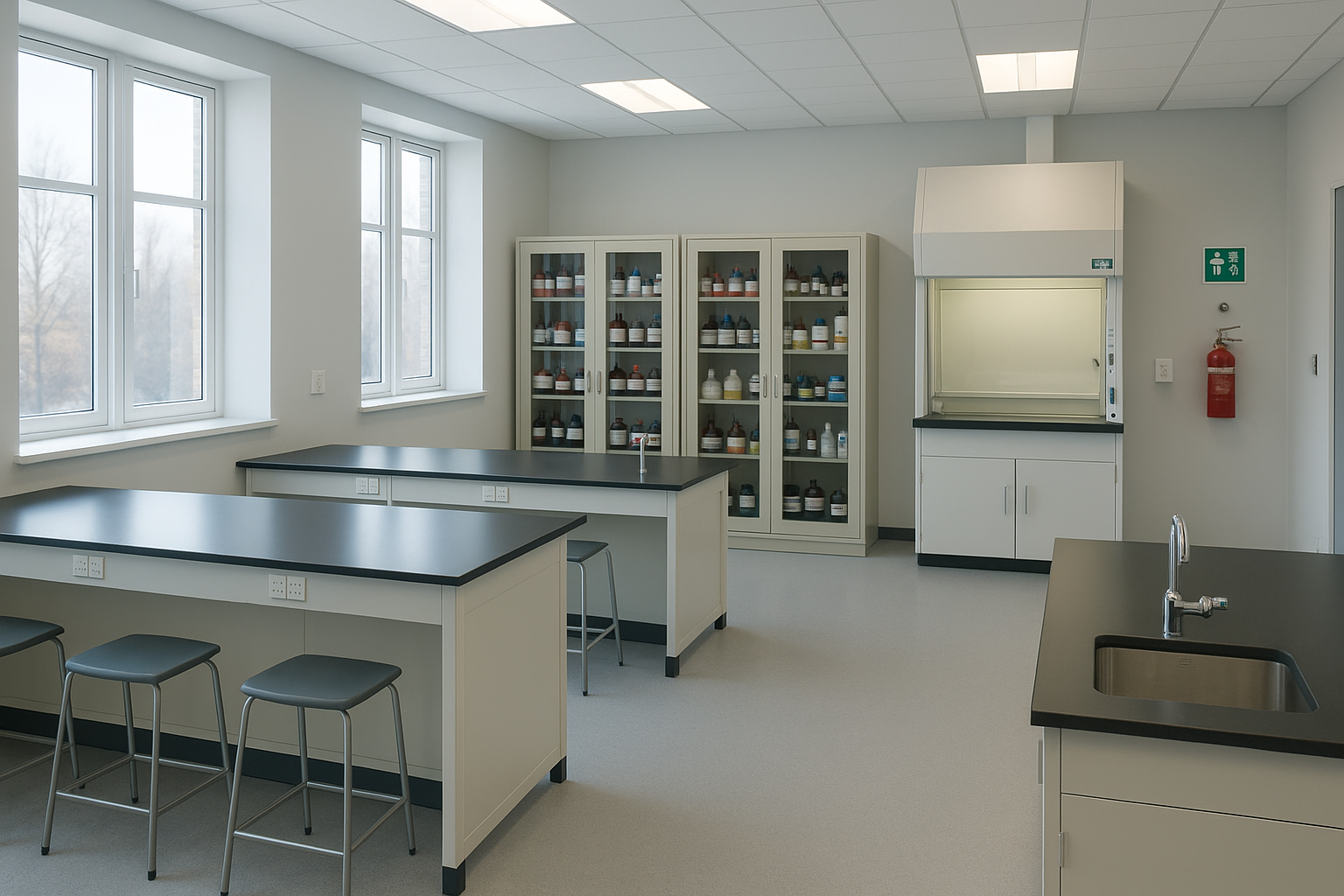
Table of Contents
Holiday shutdown safety is a critical—and often overlooked—part of maintaining Safer Science and Safer STEM programs. As buildings sit empty for one, two, or even three weeks, science labs face unique risks involving chemical storage, engineering controls, waste management, refrigeration, and equipment maintenance. A strong winter-break plan protects students, staff, custodians, and facilities long after the last bell rings.
Holiday Shutdown Safety for Safer Science & Safer STEM Departments – Part 1
This companion article breaks down the key pillars discussed in this episode of the Safer Ed Podcast—and expands them with additional insights, compliance considerations, and district-level recommendations.
1. Chemical Storage: The First Line of Winter Break Safety
Every winter shutdown begins with proper chemical hygiene. Chemicals are the most regulated materials found in K–12 learning environments, and correct storage directly reduces fire risk, air quality hazards, and potential custodial exposure.
Before break, departments should:
-
Return all chemicals to approved storage (never leave materials on counters or carts).
-
Confirm proper segregation:
-
Acids with acids
-
Bases with bases
-
Flammables in approved cabinets
-
No oxidizers near organics
-
-
Check for damaged caps, missing labels, and degraded containers.
-
Remove every bottle from fume hoods (no exceptions).
A winter break is long enough for vapors to accumulate, labels to degrade further, and spills to go unnoticed—making this cleanup a non-negotiable step in Safer Science programs.
2. Chemical Inventory & Waste Management
Winter break is an ideal “reset” moment for districts that want safer, more organized labs in January. While many districts require inventory annually, best-practice programs complete them twice a year.
A pre-break inventory helps teachers:
-
Confirm stock levels
-
Identify low or missing materials needed in early January
-
Flag expired, degraded, reactive, or damaged chemicals
-
Track quantities used during fall labs
-
Verify that all chemical waste containers are properly labeled
Schools must also follow district-specific requirements for disposal. Winter break is a smart time to:
-
Confirm next hazardous waste pickup
-
Ensure no waste is left in classrooms or fume hoods
-
Double-check all waste containers for correct dating and segregation
This step alone can prevent spills, pressure buildup, fumes, and violations of district or state regulations.
3. Lab Housekeeping & Hazard Reduction
The safest labs are the most predictable ones. Before leaving for break, science and STEM staff should fully reset learning spaces so custodial teams—and January classes—encounter clean, hazard-free environments.
Key checklist items include:
-
Return all glassware to storage (and empty dishwashers)
-
Dispose of broken glass in approved containers
-
Clear clutter from counters, prep rooms, and chemical spaces
-
Ensure safety signage is visible and not damaged
-
Remove trip hazards and keep walkways open
-
Confirm safety stations (fire blankets, eyewash, spill kits) are unobstructed
-
Inspect lab refrigerators and discard all expired materials
-
Ensure no food or drink is stored anywhere near chemicals
These steps protect not just the science department, but the custodial and maintenance staff who may enter labs while teachers are away.
4. Engineering Controls & Safety Equipment Testing
Several pieces of lab safety equipment have legally required testing schedules. Winter break is an ideal moment to confirm that everything is operating correctly.
Equipment that should be checked includes:
-
Emergency showers
-
Fume hoods
-
Gas, water, and electrical emergency shutoffs
-
Sink and floor drains
Eyewash stations should be flushed regularly to prevent stagnation and microbial buildup. Fume hoods must be cleared entirely before break—no storage, no waste, no materials.
If any device is nonfunctional, districts must document it immediately and begin repairs as part of their duty of care.
5. Why These Steps Matter: National Safety Data
A national study revealed alarming gaps in K–12 science safety:
-
Over one-third of teachers lacked formal safety training
-
Many classrooms did not use safety acknowledgement contracts
-
Accident rates increased dramatically when class sizes exceeded 24 students
-
Most teachers could not recall the date of their last safety inspection
Holiday shutdown preparation directly addresses these gaps. It reinforces routines, builds discipline, and models a predictable safety culture that extends beyond compliance.
6. SAFER STEM Planning Ahead: What’s Coming in Part 2
Part 1 focuses on the foundational elements every science and STEM department needs before winter break. Part 2—coming soon to the Safer Ed Podcast and edCircuit—will go deeper into:
-
Care and oversight for classroom plants and animals
-
Advanced engineering controls
-
Documentation and compliance
-
Building a district-wide, holistic safety model
-
Long-term strategies to harden facilities for weather, aging infrastructure, and seasonal risks
Together, these two episodes create a comprehensive, actionable roadmap for school leaders, chemical hygiene officers, STEM coordinators, and teachers.
Final Takeaway
Holiday shutdown safety isn’t just about closing a classroom. It’s about protecting facilities, maintaining compliance, reducing chemical hazards, and ensuring safer learning environments when students return.
The most effective science and STEM departments treat winter break as a strategic reset point—one that strengthens safety culture, reduces risk, and supports uninterrupted teaching in January and beyond.
Subscribe to edCircuit to stay up to date on all of our shows, podcasts, news, and thought leadership articles.