
 EdCircuit Staff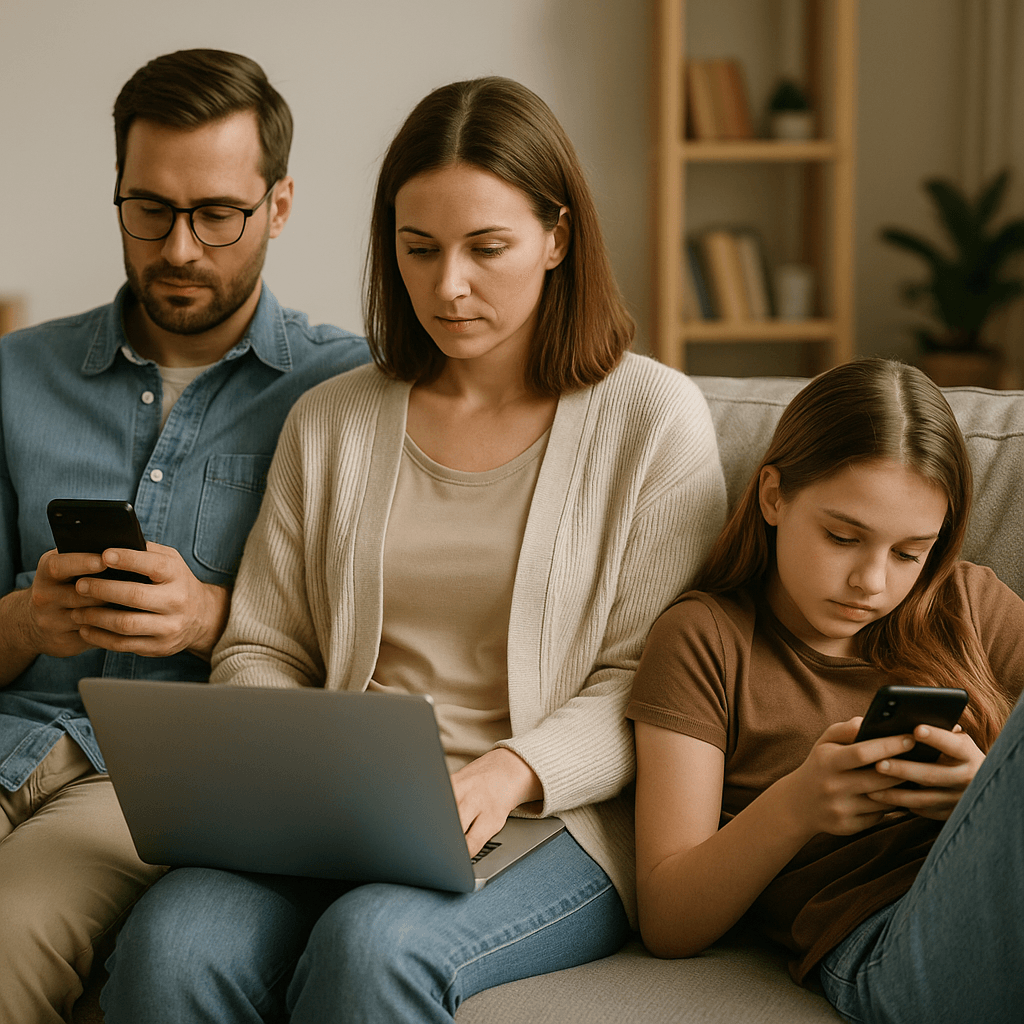
Table of Contents
Across the country, K–12 districts are revisiting or strengthening cell phone policies in response to academic disruption, mental-health concerns, and statewide guidance. While these student phone bans have successfully reduced distractions during the school day, they have also created an unintended ripple effect: students are now spending more concentrated screen time at home.
The Phone Ban Paradox: Less Time at School, More Time at Home
Parents increasingly report that once school ends, their children rush to catch up on notifications, social media feeds, and messages that piled up during the school day. Because students are disconnected for so many hours, the intensity of that digital “re-entry” often leads to longer, more immersive screen sessions in the evening. Instead of preventing excessive screen time, phone bans may simply be shifting the problem from school hours to home hours.
This reality raises the central question families and districts are now wrestling with:
How much screen time is too much—and are we treating the symptoms instead of the root causes?
Inside the Rise of the “Phone Cave”
One of the most visible effects of restricted school-day use is the emergence of what many parents call a “phone cave.” After a day of digital deprivation, some students come home and retreat immediately to their bedrooms, curl up on their beds, turn out the lights, and immerse themselves in hours of scrolling. It is part comfort, part escape, and part pressure to catch up on everything they missed.
The phone cave represents far more than a habit; it’s a coping mechanism. Students describe feeling overwhelmed when dozens of notifications appear at once. They fear missing out on group chats that continued without them. They crave a space where they can decompress in the digital world they were separated from all day.
It’s a pattern driven by anxiety, overstimulation, and an intense desire to reconnect—not defiance or disinterest in family life.
The New Family Dynamic: Together But Separate
Digital life has reshaped the meaning of “family time.” Many households gather around the TV at the end of the day, only to retreat into their own screens while physically sharing the same space. Parents may be answering emails or scrolling Facebook and Instagram, while children are gaming, watching TikTok, or editing photos—all while the family appears to be “watching a show together.”
This creates a quiet, subtle form of disconnection. Families experience the same space but not the same moment. The show becomes background noise. Conversations fade quickly. The sense of bonding that once came with shared viewing or shared activities is replaced by parallel digital worlds.
And because both students and adults are participating in this behavior, it becomes normalized—making it harder for families to recognize how much screen time has seeped into everyday routines.
When Screen Time Turns Into Screen Dependence
Screen addiction in children and teens rarely looks dramatic. It often shows up in small, subtle ways:
-
Bloodshot eyes after hours of nonstop scrolling
-
Headaches triggered by stepping into natural light after long indoor screen sessions
-
Irritability or anxiety when separated from a device
-
Difficulty transitioning from digital activities to non-digital ones
-
Loss of interest in outdoor activities or family interaction
These symptoms reflect a deeper challenge: students are navigating an unprecedented amount of digital stimulation. For many, the phone isn’t just entertainment. It is social identity, communication, creativity, and community—compressed into a device they carry everywhere.
School phone bans help manage behavior in classrooms, but they do not change the psychological relationship students have with their screens.
Turning Screen Time Into Family Time: What Actually Works
While families can’t—and shouldn’t—eliminate screens entirely, they can reshape how devices fit into the rhythm of household life. Some of the most effective strategies center on connection, not control.
One powerful approach is transforming screen time into a shared experience. Families can choose YouTube creators to watch together, play mobile games as a group, or ask a child to teach parents how to use a new app. This shifts screens from isolating experiences to collaborative ones.
Another approach focuses on transitions. Instead of students walking straight from school into an hours-long digital binge, families can create calming entry rituals: a short walk, a snack together, or a conversation before devices come out. These transitions ease the emotional jump from offline to online and reduce the intensity of that after-school “phone cave” period.
Households can also experiment with device visibility. Keeping phones face-up on a table during meals allows students to feel connected without diving into their screens. It reduces anxiety, prevents the sense of being “cut off,” and encourages more organic conversation.
Most importantly, families should discuss screen habits openly. When students can talk honestly about why they scroll or escape into their phones, families gain insight—and power—to build healthier routines together.
Shaping a Healthier Future for Digital Families
The conversation about student screen time is no longer about banning or resisting technology. It’s about helping young people build healthy digital identities, balanced habits, and strong family relationships in a world where screens are woven into every part of life.
Schools can create focused learning environments.
Families can create emotionally healthy digital environments.
And students can learn to navigate both.
Screen time isn’t the enemy.
Disconnection is.
With thoughtful guidance, open communication, and intentional family routines, screens can become tools for connection—not wedges that divide us.
Subscribe to edCircuit to stay up to date on all of our shows, podcasts, news, and thought leadership articles.