
Telling Stories of Global Leadership
YMCA leader Tom Valentine discusses how the global YMCA network gives young people a safe space to connect across national divides.
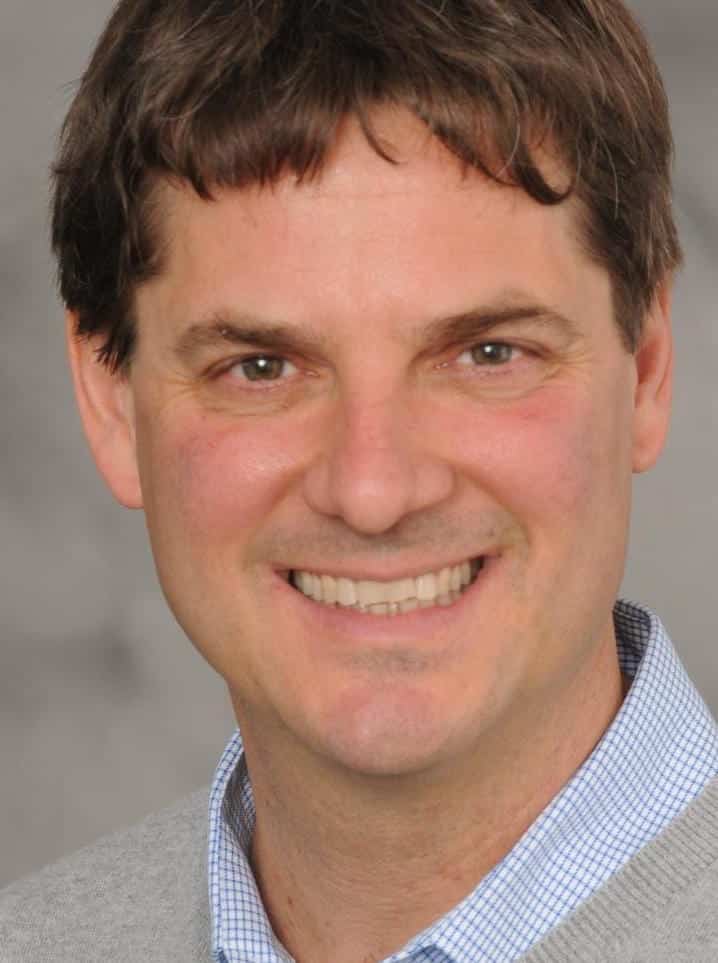

The YMCA is building bridges of cooperation that are so important for the future.
Celebrating the Unsung Heroes of the Global YMCA Network 
For Tom Valentine, that means there are limitless opportunities out there for stories that need to be told. As the Vice President of the International Group of YMCA of the USA, he feels that there is not enough attention and appreciation paid to the daily heroes with the Y who make a huge difference every day around the globe.

In Japan, the story may be working with a rapidly aging population. In a place like Liberia, the story may be the eradication of the Ebola virus and civic engagement of voter education. “In fact, it was the YMCA who led the youth-voter education efforts that resulted in the highest turnout in the last election that they had,” Tom says. “It was one of the first important peaceful transitions to democracy in any country in West Africa. And that was all led by young people working with the YMCA.”

YMCAs across America are involved in international service program exchanges, learning exchanges, and partnership exchanges. One of YMCA’s significant new initiatives at the moment is building a new generation of globally responsible young adult leaders inside the YMCA. The effort is targeting young folks in their twenties. Through mentoring and international experiences they can learn to lead positive change and help build true global communities as they develop cultural competencies. They understand social equity and inclusion at a deeper level.

The Y also has a lot of important international programs targeted for teens. There are international camp exchanges between various countries and Y’s. A group of young Boulder High School students recently spent two weeks in Peru where they participated in a local Y camp with Peruvian kids in Lima and working in some of the local Y’s social inclusion projects.
There is a great program through the YMCA of Greater New York called “Global Teens” where groups of teens raise their own resources and go overseas in community service projects. They have visited and worked in places like South Africa and Colombia. “Increasingly,” Tom says, “those exchanges are growing.”
In Ureki, a town in the Republic of Georgia on the Black Sea, the international YMCAs have been building a camp in what was formerly a collective farm for orange orchards. The YMCA holds camps every summer called Roots for Reconciliation with the objective of “cultural peace through camp.” The YMCA camp, with the assistance of a few organizations around the world, brought together Georgian, Armenian, Azeri Russian, Ukrainian, and American youth to talk about peace through the lens of camping.
“We really believe as a movement, we have that safe space where young people can connect with others,” Tom says. “No matter what their backgrounds are and no matter what the histories are between their countries, they need to learn about each other and build those bridges of cooperation that are so important for the future.”
- AI for the Neurodiverse Classroom: How AI Tools Help Students With ADHD and Dyslexia
- Adult Learning: An Immigrant Success Story
- EdTech Top of Mind for 2022: Certifications, Security Compliance and Student Privacy
- Digital Transitions Now Offers Advanced Operator Training Certification for Instant-Capture Digitization
More on Global


