
 EdCircuit Staff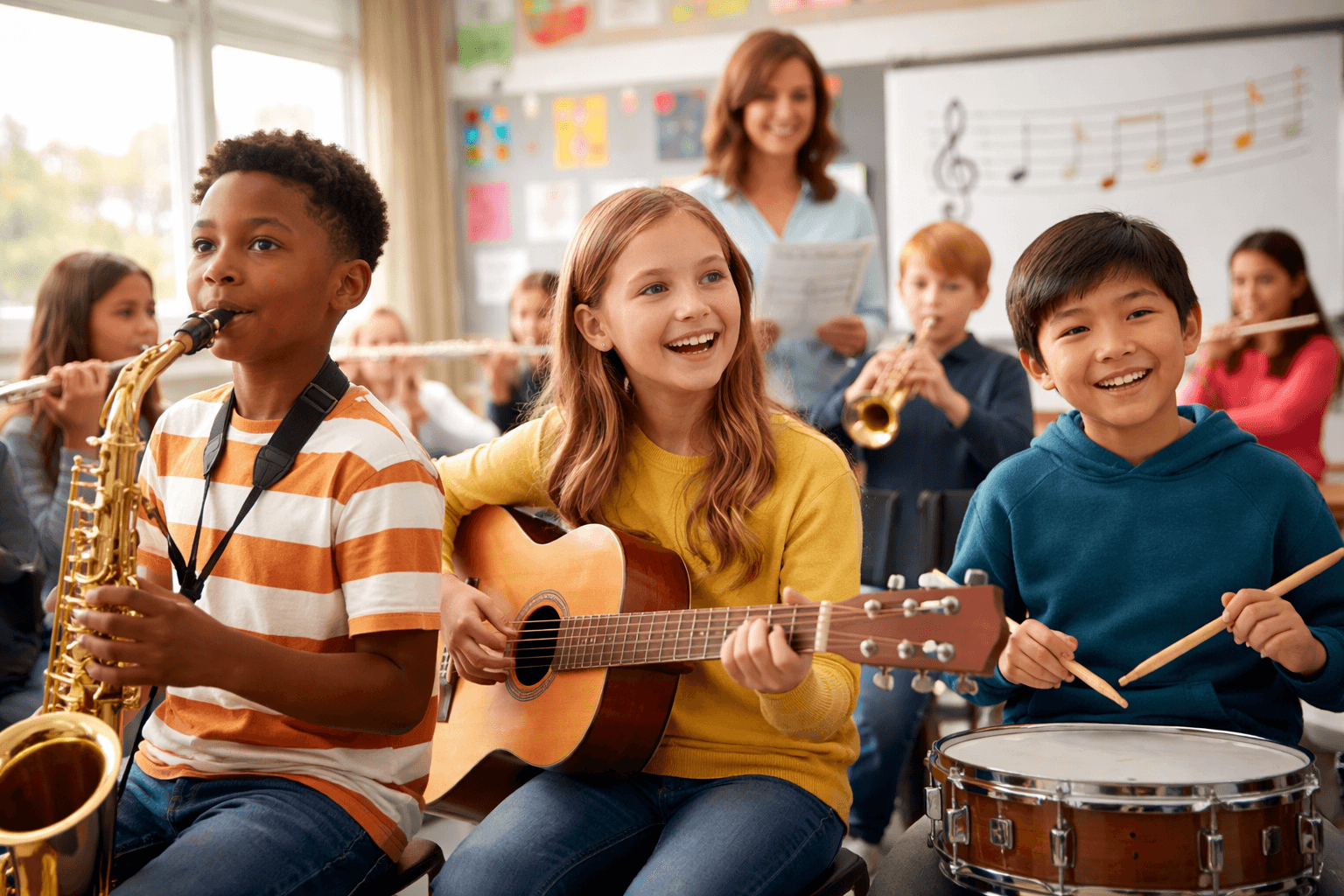
Table of Contents
Music education changes lives, and March is the perfect time to celebrate how school music programs inspire creativity, confidence, and connection for students everywhere.
Every March, schools across the country turn up the volume on something truly special: music education. From elementary classrooms buzzing with recorders to high school band rooms alive with rehearsals, this season shines a light on the essential role music plays in student growth and school culture.
Across the nation, this time of year aligns with Music In Our Schools Month®, a national observance led by the National Association for Music Education that highlights the value of music education in schools. For educators and students alike, March offers a meaningful moment to reflect on why music belongs at the heart of learning.
Why Music Belongs at the Heart of Education
Music education does far more than teach students how to read notes or play instruments. It helps shape how students think, collaborate, and express themselves.
Students who participate in music programs often develop:
- Discipline and perseverance
- Strong listening and teamwork skills
- Confidence in performance and communication
- Creative problem-solving abilities
For many students, the music room is where they feel most at home. It’s where they learn how to practice patience, work through challenges, and experience the reward of steady improvement.
Music also supports academic growth. Research continues to show connections between music education and improved outcomes in literacy, math, and social-emotional learning. But beyond the data, music teaches students something just as important: how to contribute to something bigger than themselves.
Why March Is a Meaningful Moment for Music Programs
March gives schools a reason to highlight the everyday work happening in music classrooms throughout the year.
During this time, schools often:
- Share student performances and rehearsal moments
- Highlight the journeys of young musicians
- Celebrate music educators and program leaders
- Encourage conversations about the value of arts education
A single concert represents weeks or months of practice, collaboration, and growth. March reminds families and communities that these performances don’t happen by accident. They happen because schools choose to support music education.
Recognizing the Educators Behind the Music
Music teachers are some of the most dedicated educators in any school building.
They arrive early to set up instruments.
They stay late for rehearsals and performances.
They support students through auditions, competitions, and pre-concert nerves.
Most importantly, they create environments where students feel safe to try, make mistakes, and grow.
For many students, a music teacher is the adult who first encourages them to take a risk or believe in their abilities. The lessons learned in music class often extend far beyond graduation, shaping how students approach challenges throughout their lives.
March is a perfect time to recognize the commitment, creativity, and care music educators bring to their schools every day.
Simple Ways Schools Can Celebrate Music in March
Celebrating music education doesn’t require elaborate events or big budgets. The most meaningful moments are often the simplest.
Schools can celebrate by:
Highlighting Student Musicians
Share short performances, photos, or stories on school websites or social media.
Opening Rehearsal Doors
Invite families, staff, or younger students to observe rehearsals or participate in interactive music experiences.
Connecting Music Across Subjects
Show how music ties into history, science, math, and language arts.
Encouraging Appreciation
Invite students and families to write thank-you notes or share stories about how music has impacted them.
Every program matters, whether it’s general music, band, choir, orchestra, or modern music courses. March is about celebrating all of it.
Music’s Impact Beyond the Classroom
School music programs don’t just benefit students. They strengthen entire communities.
Concerts bring families together. Performances become shared memories. Music programs help build school pride and create traditions that last for generations.
In many communities, school concerts are among the most well-attended events of the year. They remind us that music is a universal language and a powerful connector.
When schools invest in music education, they invest in culture, creativity, and community connection.
Looking Ahead: Supporting the Future of Music Education
Celebration is important, but so is continued support.
Music programs thrive when schools, families, and communities advocate for them through enrollment, funding, and awareness. As education continues to evolve, music education must remain a priority.
March offers momentum. It’s a chance to celebrate what exists today and to commit to protecting music education for future students.
Because every child deserves the chance to discover music.
Every school deserves a creative heartbeat.
And every community benefits when the arts are valued.
Music In Our Schools Month® is a registered trademark of the National Association for Music Education (NAfME). This article is for informational purposes only and is not affiliated with or endorsed by NAfME.
Subscribe to edCircuit to stay up to date on all of our shows, podcasts, news, and thought leadership articles.