



 EdCircuit Staff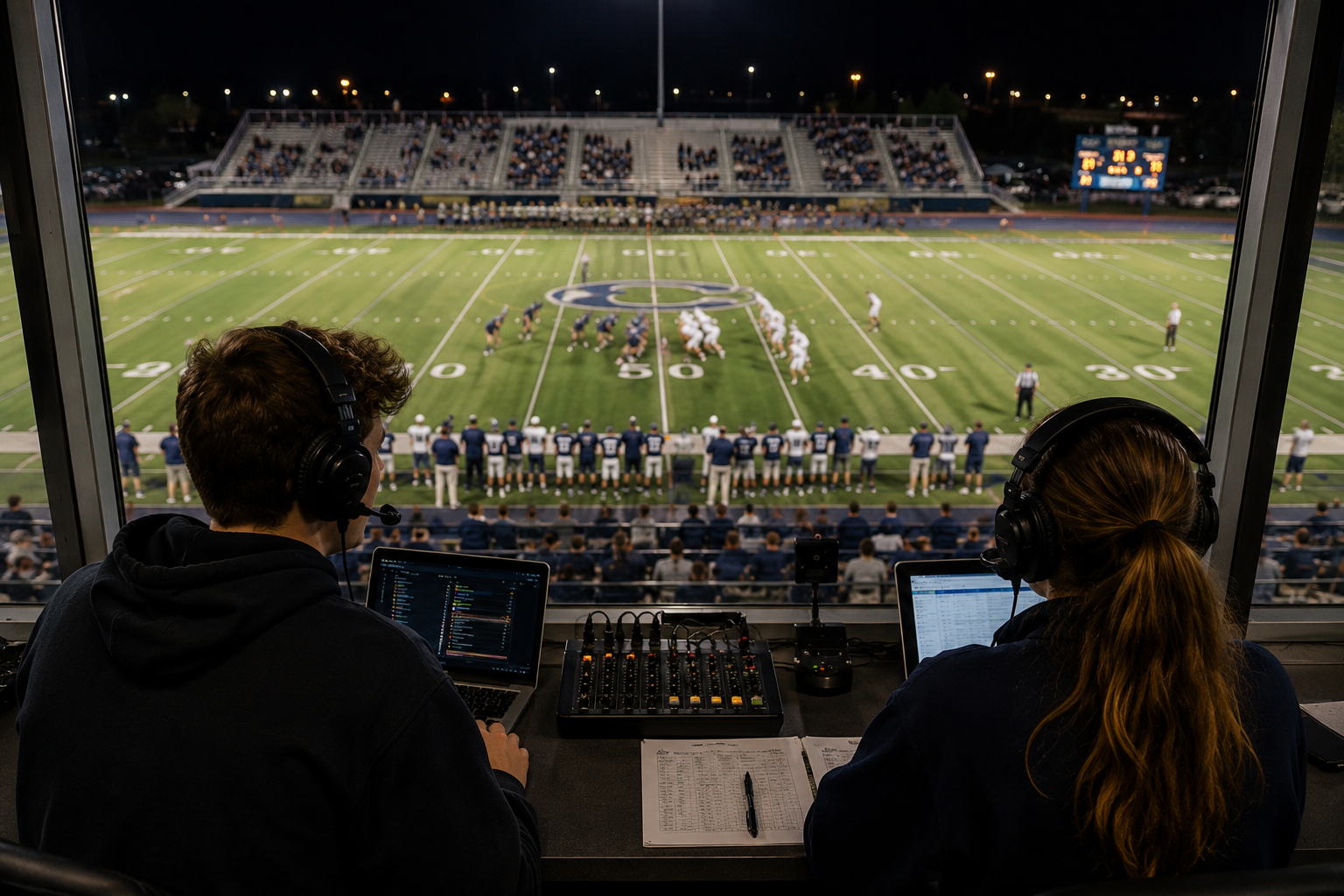
Student sports media teams are quickly becoming one of the most exciting and impactful parts of high school athletics, changing how games are covered, how athletes are seen, and how schools connect with their communities.
On a Friday night, the lights come on, the crowd builds, and the game begins.
But something else is happening beyond the field.
High above the stands, a student adjusts a camera on a tripod, tracking every play. In the press box, another student prepares to call the game, headset on, notes ready. On the sideline, a third student films highlights, already thinking about how the clips will look on social media. Nearby, a laptop is open, streaming the game live to families who could not make it.
This is not a professional broadcast team.
It is a group of high school students.
A New Game-Day Experience
High school sports used to be experienced in one place: the field, the gym, the track.
If you were not there, you missed it.
Today, that has changed.
Games are livestreamed. Highlights are posted within minutes. Recap videos are shared the next day. Social media updates keep fans engaged in real time. Parents, alumni, and community members can follow along from anywhere.
A major part of this shift has been the growth of streaming platforms like NFHS Network, which allow schools to broadcast games to audiences far beyond their local community.
In many schools, student media teams are the ones operating the cameras, managing the streams, and ensuring these broadcasts run smoothly.
For families, this has been a game changer.
Grandparents who live across the country can now watch their grandchildren compete. Relatives who cannot attend games due to distance or schedules can stay connected. Traveling parents can tune in from hotel rooms, airports, or wherever they may be. Alumni can follow their former teams and remain part of the school community long after graduation.
What was once a local event is now a shared experience that connects families, communities, and generations.
More Than Just Filming Games
At first glance, it might seem like these students are simply recording games.
In reality, they are doing much more.
They are producing content.
That includes:
- Livestreaming full games
- Creating highlight reels for teams and athletes
- Producing post-game recap videos
- Conducting interviews with players and coaches
- Managing social media accounts
- Designing graphics and game-day posts
Each piece of content serves a purpose.
Some are designed to inform.
Some to promote.
Some to celebrate.
All of them help tell the story of a team, a season, and a school.
Real Impact on Student-Athletes
For athletes, the rise of student media teams has been a game changer.
Highlight reels are now a key part of the recruiting process. College coaches often rely on video to evaluate players, especially when they cannot attend games in person. A well-produced highlight can open doors that might not have been available before.
Student media teams are often the ones creating that content.
They capture the plays, edit the footage, and package it in a way that showcases an athlete’s strengths. In some cases, they are helping teammates gain visibility and opportunities at the next level.
This creates a powerful connection.
Students are not just covering sports.
They are contributing to each other’s futures.
Learning Under Pressure
Sports media also introduces a unique challenge: there are no second chances.
You cannot replay a game-winning goal. You cannot redo a live broadcast. You cannot go back and capture a moment that already happened.
Students learn quickly that preparation matters.
They must:
- Set up equipment ahead of time
- Test audio and video
- Communicate with their team
- Anticipate key moments
During the game, they must stay focused, react quickly, and adapt when things do not go as planned.
That pressure builds real-world skills.
Time management.
Communication.
Problem-solving.
Composure.
These are lessons that extend far beyond the field.
The Role of Social Media
Social media has become a central part of student sports media.
Fans no longer wait for a newspaper recap the next day. They expect updates in real time.
Student teams are posting:
- Final scores
- Big plays
- Player spotlights
- Behind-the-scenes moments
- Game-day hype content
This content builds excitement and keeps the community connected.
In many schools, the student-run account is now the primary way people follow athletics.
That is a significant shift.
Building Skills That Last
For the students behind the cameras and screens, the experience is invaluable.
They are learning:
- Video production
- Photography
- Editing
- Broadcasting
- Graphic design
- Social media strategy
They are also building portfolios.
By the time they graduate, many students have real work they can show—game footage, highlight reels, interviews, and full productions. Some go on to pursue careers in sports media, broadcasting, or digital content. Others apply these skills in marketing, communications, or business.
Even those who do not pursue media careers leave with something important:
They know how to tell a story.
A Team Behind the Team
Student sports media teams are becoming an extension of the athletic program.
Just as teams rely on coaches, trainers, and support staff, they are now supported by content creators who help tell their story.
These students are often just as dedicated.
They stay late.
They travel to away games.
They work weekends.
They meet deadlines.
They are part of the team, even if they are not on the field.
The Future of High School Athletics Coverage
The growth of student sports media is not slowing down.
As technology continues to improve, students will have access to even more tools—better cameras, faster editing software, improved livestreaming platforms, and AI-powered production tools.
The coverage will become more advanced.
But the heart of it will stay the same.
Students telling the stories of students.
More Than the Game
At its core, student sports media is about more than highlights and scores.
It is about capturing moments.
The celebration after a big win.
The emotion of a tough loss.
The senior night recognition.
The energy of a student section.
These are the moments that define high school athletics.
And now, they are being documented, shared, and remembered in ways that were not possible before.
High school sports will always be about competition.
But thanks to student media teams—and the platforms that extend their reach—they are also about connection.
And that connection is now reaching farther—and lasting longer—than ever before.
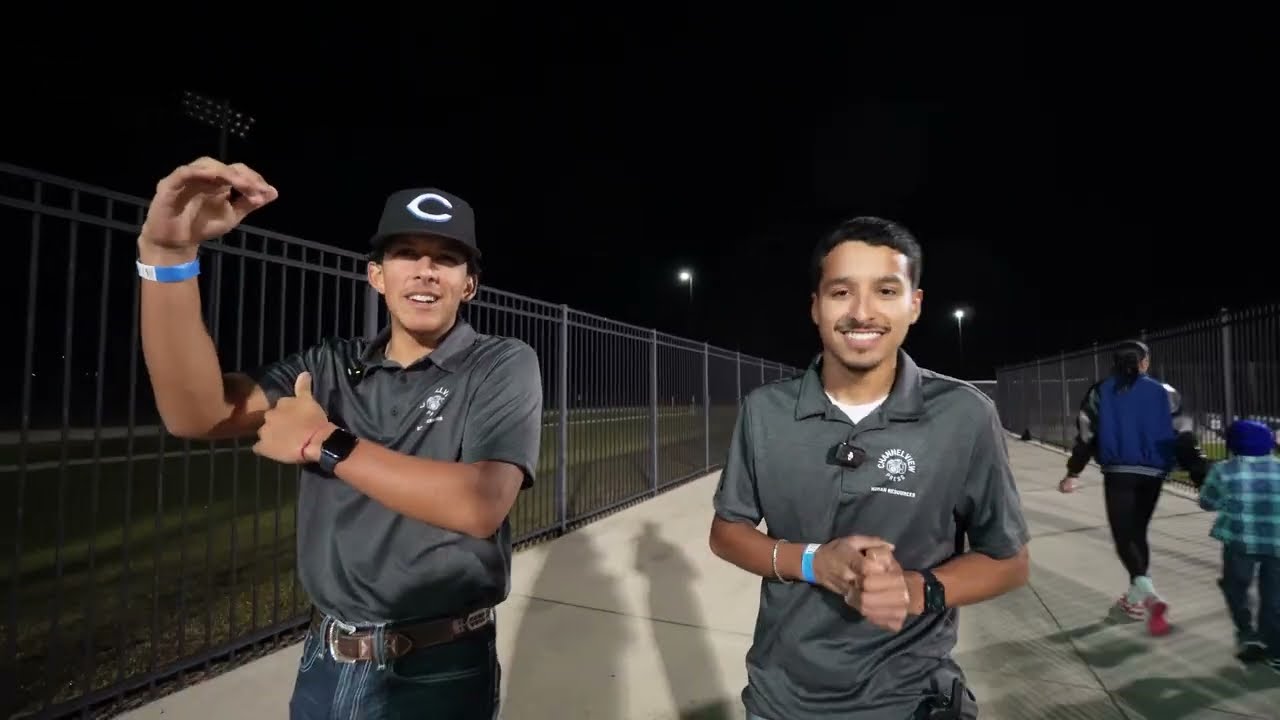
Channelview Press – Welcome to the Insider Exclusive | Part 1
Subscribe to edCircuit to stay up to date on all of our shows, podcasts, news, and thought leadership articles.
Related reading
More on Students

