
 EdCircuit Staff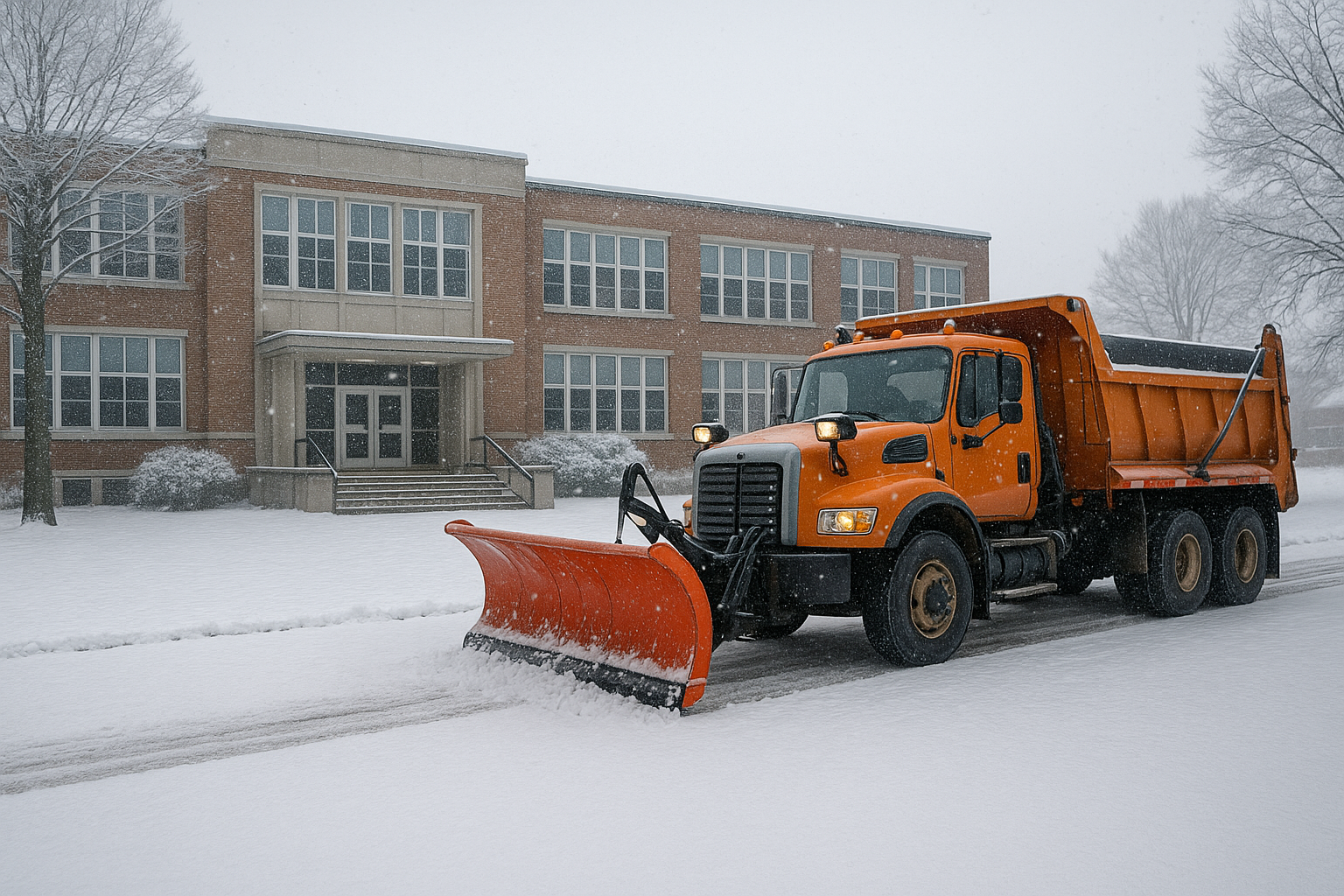
Table of Contents
Snow day safety is the first concern on a superintendent’s mind as they begin evaluating conditions before dawn. While students wake up, look outside, and rush back to bed with a smile when they see school is canceled, the decision behind that moment is far from simple. It takes coordination, analysis, and careful judgment to protect thousands of students and staff.
Snow day safety begins long before the announcement
For superintendents, a snow day call often begins at 3 or 4 a.m. They are not just watching the weather. They are gathering information, driving on side streets, speaking with public works teams, checking building readiness, and communicating with nearby districts to determine whether conditions are safe.
The magic of a snow day may feel effortless, but the responsibility behind it is significant.
What factors determine a snow day decision?
Weather and road conditions
Safety always comes first. District leaders review snowfall totals, ice accumulation, visibility, and the condition of local roads. They often rely on city plow teams, county officials, and firsthand drives to understand whether buses and cars can travel safely.
Transportation readiness
Bus companies and transportation directors play a major role. If buses cannot safely navigate narrow roads, unplowed routes, or icy hills, the risks outweigh the benefits of keeping school open. Public transportation conditions matter too.
Forecast and timing
Even if conditions look manageable early, a storm expected to intensify during arrival or dismissal can lead to closure. Timing is everything, and superintendents must think ahead rather than react late.
Temperature and wind chill
Extreme cold can be dangerous for students who walk or wait at bus stops. When wind chills drop to unsafe levels, districts may close even when snow totals are minimal.
Building conditions
Schools must ensure that heating systems are functioning, sidewalks can be cleared, and parking lots are safe. A school cannot open if the building itself is not ready or if staff cannot safely arrive to prepare classrooms.
District coordination
Many districts collaborate with neighboring districts to maintain consistent decisions and reduce confusion for families. While each district decides independently, regional alignment supports community stability.
Student needs
Some students rely on school for meals, warmth, and structure. Because of this, districts consider whether a traditional snow day or a virtual learning day best supports students while keeping them safe.
The student experience: pure joy
For students, the first snow day of the season feels magical. They check their phones, see the announcement, and instantly know the day will be filled with sledding, movies, snowball fights, and warm drinks. It is a tradition so strong that generations remember the feeling.
What students rarely see is the careful planning that made that moment possible.
Appreciating the work behind the scenes
Every snow day call is a balancing act. Superintendents consider safety, student needs, transportation, staffing, facility readiness, and weather uncertainty. They make thoughtful decisions under pressure, knowing families depend on them.
A snow day is not a lucky guess. It is a decision rooted in data, collaboration, and care.
Snow days remain a special part of school life
Even with virtual learning options, many communities still cherish the tradition of a true snow day. It brings a pause, a sense of wonder, and a shared experience across an entire district.
Behind every joyful morning at home is a team that worked early, worked carefully, and worked with safety at the center of every choice.
Winter brings challenges, but it also brings moments that feel unforgettable. A well-earned snow day is one of them.
Subscribe to edCircuit to stay up to date on all of our shows, podcasts, news, and thought leadership articles.