 EdCircuit Staff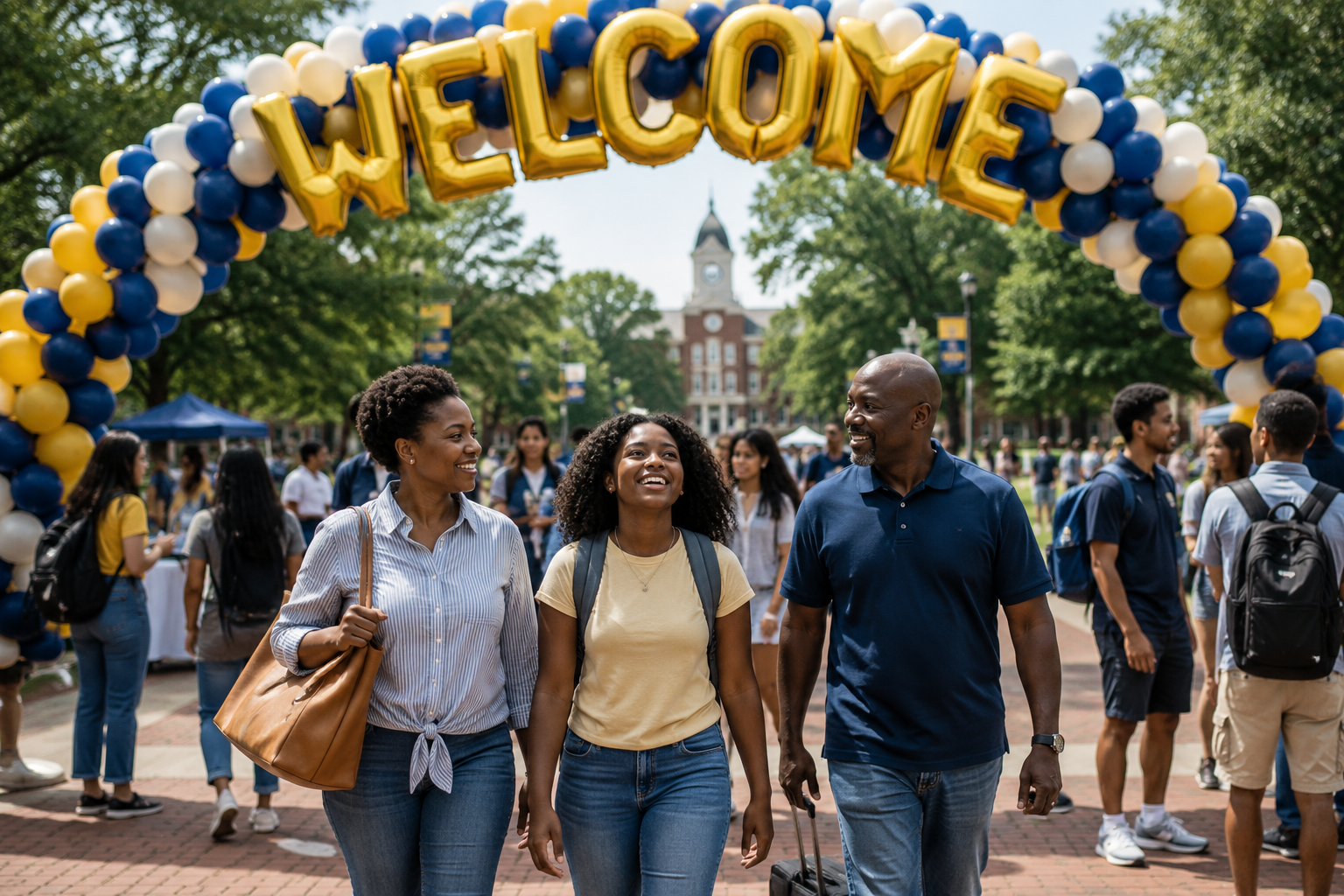
Summer college visits can be one of the most important experiences in the college search process. While websites, rankings, and brochures provide information, nothing replaces walking across a campus, speaking with students, and imagining what life might look like over the next four years.
Every summer, countless families pile into cars with snacks, playlists, and carefully planned schedules, setting off on road trips that may ultimately shape a student’s future. For teenagers, these visits often represent the first time they begin to picture themselves as adults. For parents, they serve as a reminder that the years have passed far too quickly.
Somewhere between the campus tours, bookstore stops, and conversations over lunch, families begin creating memories that will last long after college acceptance letters arrive.
Summer is also one of the best times to begin the search. Campuses are less crowded, schedules are more flexible, and students have the opportunity to explore schools without the pressures of homework, sports seasons, and standardized testing. More importantly, these visits transform the college search from something overwhelming into something exciting.
Finding the right college is not about selecting the biggest name. It is about finding a place where students can grow academically, socially, and personally.
Start with Yourself Before You Start with Colleges
Many students begin by asking, “Which schools should I visit?”
A better question might be, “What kind of experience am I looking for?”
Before creating a list of colleges, students should spend time considering their interests and priorities.
Questions worth discussing include:
- What subjects excite me?
- How far from home do I want to be?
- Do I prefer a large campus or a smaller community?
- What extracurricular opportunities matter most?
- Am I interested in athletics, clubs, research, or leadership opportunities?
- Do I want an urban, suburban, or rural setting?
Parents often remember preparing for college with typewriters, notebooks, and printed maps. Today’s students have access to AI tools, virtual tours, digital resources, and more educational pathways than ever before.
The search should focus less on prestige and more on fit.
Use Online Research Before You Visit
Long before stepping onto campus, students can learn a tremendous amount online.
College websites provide information about:
- Academic programs.
- Scholarship opportunities.
- Career outcomes.
- Residence halls.
- Study abroad programs.
- Student organizations.
- Internship opportunities.
Students should also explore social media, YouTube campus tours, student newspapers, and LinkedIn profiles of alumni.
Looking at where graduates work can provide valuable insight into the strength of a school’s network and career preparation.
Rankings tell only part of the story. A school that ranks lower nationally may provide exceptional opportunities in a student’s intended field.
How AI Is Changing the College Search
Today’s students are searching for colleges differently from previous generations.
Artificial intelligence tools are helping students:
- Compare schools.
- Organize notes from visits.
- Create travel itineraries.
- Develop questions for admissions counselors.
- Research majors and career paths.
- Track application deadlines.
- Identify scholarship opportunities.
AI should never replace personal experiences, but it can help families stay organized and make more informed decisions throughout the process.
Before You Leave Home
Preparation can make a college visit far more productive.
Students should:
- Register for tours and open houses.
- Schedule meetings with academic departments.
- Contact coaches if interested in athletics.
- Explore overnight visit opportunities.
- Research scholarship programs.
- Prepare questions for admissions staff.
- Bring a notebook or note-taking app.
- Wear comfortable shoes.
Families are often surprised by how much walking is involved.
Taking photographs and keeping notes after each visit can also be extremely valuable. After touring several campuses, many details begin to blend together.
Attend Open Houses and Information Sessions
Summer open houses offer far more than a simple walking tour.
Many events include:
- Admissions presentations.
- Financial aid sessions.
- Faculty panels.
- Student ambassadors.
- Residence hall tours.
- Academic department visits.
- Dining hall experiences.
- Opportunities to meet coaches and advisors.
These events help students experience the personality and culture of a campus.
Sometimes the answers students hear are just as important as the facilities they see.
Ask Questions That Matter
Students should not be afraid to ask questions.
Some of the most valuable include:
- What do students do on weekends?
- How easy is it to change majors?
- What internship opportunities are available?
- What support services exist for first-year students?
- What percentage of students return for sophomore year?
- What do students love most about this school?
That last question often produces the most authentic answers.
Pay Attention to the Little Things
Beautiful buildings and impressive recreation centers are easy to notice.
The details matter even more.
Observe:
- Are students interacting with one another?
- Does the campus feel welcoming?
- Can you picture yourself living there?
- Are classrooms active and modern?
- Does the environment feel safe?
- Are students engaged and happy?
Sometimes students immediately feel at home. Other times, a school that looked perfect online simply does not feel right.
That is perfectly normal.
Big Universities Offer Big Opportunities
Large universities provide experiences that are difficult to duplicate.
Students may find:
- Hundreds of majors and minors.
- Extensive alumni networks.
- Major athletic traditions.
- Research opportunities.
- Diverse student populations.
- Study abroad experiences.
- Cutting-edge facilities.
For some students, the energy and excitement of a large campus are exactly what they are seeking.
Small Colleges Offer Big Advantages
One of the biggest mistakes families make is overlooking smaller institutions.
Smaller colleges frequently provide:
- Lower student-to-faculty ratios.
- Smaller class sizes.
- Greater access to professors.
- Earlier leadership opportunities.
- Personalized mentoring.
- Strong campus communities.
Students interested in athletics may also discover tremendous opportunities at Division II, Division III, NAIA, and smaller Division I institutions.
Meaningful playing time, close relationships with coaches, and leadership opportunities can create unforgettable experiences.
The right fit is not determined by enrollment numbers.
It is determined by where students feel challenged, supported, and inspired.
Don’t Forget Community Colleges and Alternative Pathways
College success does not always begin at a four-year university.
Community colleges provide affordable pathways that allow students to complete general education requirements before transferring to bachelor’s degree programs. Many states offer transfer agreements that make the transition seamless.
Career and technical programs, workforce certifications, and dual-enrollment opportunities are also creating new pathways to success.
Students should remember that there are many roads to achieving their goals.
Understand the Financial Side
Families should begin discussing finances early.
Important considerations include:
- Merit scholarships.
- Need-based aid.
- Honors programs.
- In-state versus out-of-state tuition.
- Internship opportunities.
- Career outcomes.
- Return on investment.
The least expensive option is not always the best choice, and the most expensive option is not always the smartest investment.
Understanding the long-term value of an education is just as important as understanding its cost.
Build a Balanced List
Experts often recommend creating three categories:
Dream Schools
Highly competitive institutions that represent exciting possibilities.
Match Schools
Schools where a student’s academic profile aligns well with admitted students.
Likely Schools
Schools where admission is very probable and where the student would be happy attending.
Every school on the list should be a place where the student can see themselves succeeding.
No college should be included simply because others expect it.
Trust Your Feelings
Sometimes students arrive on a campus and immediately know.
Other times, a school that looked perfect on paper simply does not feel right.
That is okay.
The college search is not about impressing friends or chasing rankings. It is about finding a community where students can learn, grow, develop lifelong friendships, and prepare for the future.
Summer college visits are about far more than admissions brochures and rankings. They are road trips filled with conversations, hopes, and bittersweet reminders that childhood is giving way to independence. Somewhere between the campus tours, dining halls, and bookstore stops, students begin to see the future differently.
And for many families, those summer miles become memories they will cherish long after graduation day.
Subscribe to edCircuit to stay up to date on all of our shows, podcasts, news, and thought leadership articles.