
 Ian Egan
Risk Assessment in the new federal grant-writing environment
By Lucy Morgan

For funding agencies, one of the riskiest things they can than think of is when the sponsored program is not completed, or falls woefully short of the objectives. Even worse is the very real risk of program waste, fraud and abuse occurring with taxpayer funds. This nightmare brings tons of bad press, public outcry and congressional investigations.
The New Age of Accountability and Performance
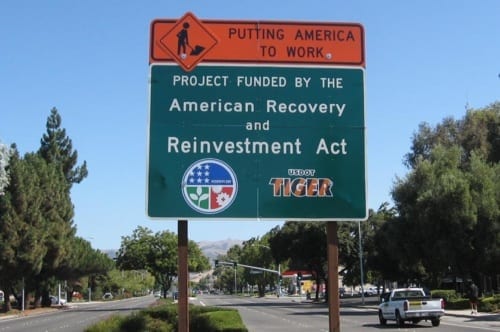
Let’s look at how the federal government plans to accomplish this:
Step One: Are You Ready for the Race?
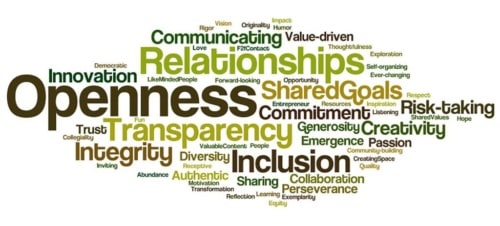
- Ability to meet management standards
- Amount of monitoring already in place with other federal agencies or prime recipients
- Evaluation of the application for funding opportunity
- Extent of new personnel or changed systems
- Past history of performance for federal awards and sub-awards
- Previously submitting applicable reports in a timely manner
- Prior compliance with award terms and conditions
- Quality of the management systems
- Results of audits such as findings and questioned costs
- Stability of finances at the organization

See more at § 200.205 Federal awarding agency review of risk posed by applicants.
Step Two: Do You Know the Risks of Applying Too Soon?
In the past many organizations applied for grants with the attitude of “If we get the grant, we’ll put good controls in place then.” However, applying for federal funds without being “grant-ready” is riskier than ever thanks to an addition to the new grant regulations that took effect at the beginning of 2016.

Step Three: Do You Accept Responsibility for the Risks?
Finally, each grant recipient needs to realize that there is a whole new level of “gotchas” baked into the new grant regulations in the form of mandatory disclosures and certifications. Have a problem down the road with your grant? Expect the responsibility to fall solidly back in the lap of the grant recipient and not the federal agency.

The main way the advantage in finger pointing will go to the funding agency is a little thing called the new “Certification of Costs” requirement. The new regulations require a senior official of the non-federal entity to expressly acknowledge that making bogus statements about program spending can lead to prosecution under the False Claims Act. Here’s what an official who can legally bind your organization will need to certify:
‘‘By signing this report, I certify to the best of my knowledge and belief that the report is true, complete, and accurate, and the expenditures, disbursements and cash receipts are for the purposes and objectives set forth in the terms and conditions of the Federal award. I am aware that any false, fictitious, or fraudulent information, or the omission of any material fact, may subject me to criminal, civil or administrative penalties for fraud, false statements, false claims or otherwise.”

Winning the Race Against Risk
Grants from the federal governments pump over $600 billion dollars of funding into worthy causes every year in the United States. If you are moving through the grant process with a mixture of fear and excitement, you are not alone. Get ready to run the race by preparing for the new requirements during the grant application process. Make sure you understand what “strings” are attached to those federal dollars before you start spending. And finally make sure leadership at your organization is onboard with the new integrity and accountability certifications and disclosures.
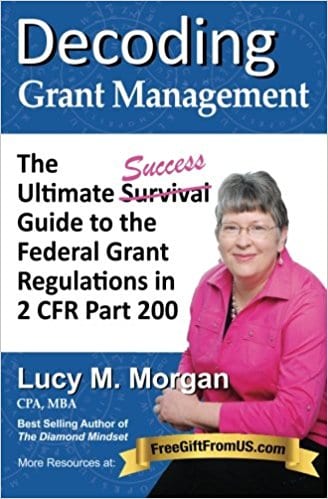
Ms. Morgan’s book is available on Amazon.com
Author
- Black Enterprise – Trump Overturns Education Regulations
- NPR – Education Budget Cuts, Student Aid Problems And More
- EdSource – Charter schools in line to get extra help despite Trump plan to slash education funding