 EdCircuit Staff
On September 30, 2025, AOL will officially retire its dial-up internet service after 34 years, ending the era of that unmistakable modem screech, the flashing “Connecting…” window, and the cheerful “You’ve got mail!”.
For millions, AOL wasn’t just a way to get online—it was the first time classrooms, libraries, and living rooms shared a common digital space. Long before high-speed Wi-Fi and cloud-based learning platforms, AOL showed K–12 education what was possible when you connected teachers, students, and families to a global network.
The First Digital Playground for Schools
In the early 1990s, when computers in schools were often limited to word processing or educational games on floppy disks, AOL brought something radically new: connection.
Teacher Pager (1990): Allowed students to send short, direct messages to teachers—a precursor to today’s email and messaging platforms.
Kids Only Online (1991): A safe, moderated space where children could explore, learn, and chat with peers across the country.
Teachers’ Information Network (1990): One of the first online professional learning communities, where educators shared lesson plans, ideas, and classroom tips.
Parents Information Network (1991): Gave families advice, resources, and a way to connect with educators outside of parent-teacher conferences.
Online exhibits: Partnerships with institutions like the Library of Congress to bring history and primary sources directly into classrooms.
These pioneering platforms weren’t just features—they were the first blueprint for digital classrooms, decades before we started using that term.
From Modems to Modern EdTech: AOL as the Industry’s Launchpad
If you strip away today’s sleek apps, cloud integration, and lightning-fast speeds, you’ll find that many of today’s most essential education tools trace their DNA directly back to AOL’s dial-up era.
In the 1990s, AOL wasn’t just connecting computers—it was quietly building the habits, workflows, and expectations that would become the backbone of the modern edtech industry.
1. Learning Management Systems (LMS)
Before Google Classroom, Canvas, or Schoology, AOL gave educators a taste of what it meant to post assignments online, share digital resources, and keep class communication flowing long after the final bell. It proved that a “classroom without walls” wasn’t just possible—it was practical.
2. EdTech Collaboration Platforms
AOL’s chatrooms and message boards showed students and teachers that learning could be collaborative, real-time, and community-driven—no matter where participants were located. That concept is now the heartbeat of Zoom breakout rooms, Microsoft Teams chats, and virtual study groups that connect learners across cities, states, and even continents.
3. Digital Research & Content Access
“Keyword: Homework Help”—taught an entire generation how to seek out answers online. That same skill evolved into navigating research databases, accessing digital textbooks, and engaging with content-rich learning platforms like Khan Academy, Britannica Online, and PBS LearningMedia.
4. Parent–Teacher Communication Tools
ClassDojo or Remind, AOL provided the infrastructure for teachers and parents to stay in touch outside of conferences. This early connectivity normalized the idea that schools could extend their reach into the home—laying the groundwork for today’s high-engagement, two-way communication tools.
5. EdTech Startup Inspiration
While few founders of today’s big edtech companies openly “credit” AOL, the platform normalized the marriage of technology and education. Many innovators got their first taste of online learning through AOL’s early programs and, consciously or not, carried that vision forward—fueling a $300+ billion global edtech market.
The Lasting Lesson:
AOL didn’t just provide access—it reframed education as a connected, technology-enhanced experience. Every modern tool that helps students collaborate, research, or learn beyond the classroom owes a nod to the moment we first logged on, heard that modem screech, and discovered the internet could also be a school.
A 90s Classroom Memory That Still Resonates
One of the clearest examples of AOL’s educational impact came from a 1993 classroom experiment. (this link no longer available) An eighth-grade science teacher recalled how her students used an early online network to collaborate with peers in another state to detect unsafe levels of carbon dioxide in their school.
She remembered one student asking:
“Now that you’ve introduced us to all of this wonderful stuff… what’s going to happen next year when we’re back to the way we used to be?”
It was a question full of both excitement and worry—a reminder that once technology opens new doors for learning, going back feels impossible.
Bridging the Digital Divide
By the late 1990s, 74% of U.S. public schools relied on dial-up internet as their main connection. For many rural and underserved communities, it was the first step into the digital world. Even if speeds topped out at 56 kbps, it meant students could email a teacher, look up a current event, or join a virtual study group without leaving home.
Learning Beyond the Bell
With AOL, learning didn’t have to stop when the school day ended:
Students could ask questions in real time.
Teachers could share resources after hours.
Families could explore museums virtually or join moderated forums for science, history, and literature.
The novelty of “being online” inspired curiosity—and digital fluency—before those terms were even part of everyday conversation.
A Digital Toast to That Noisy Beginning
As AOL’s dial-up finally goes silent this September, it marks more than the end of a service—it closes the first chapter in digital education history. Every online lesson, every shared document, and every virtual tutoring session still carries a spark of that first noisy connection.
The next time your students log onto a lesson or you send out a digital assignment, take a moment to remember those who waited through that swooping dial-tone—eager to learn, connect, and build a new world.
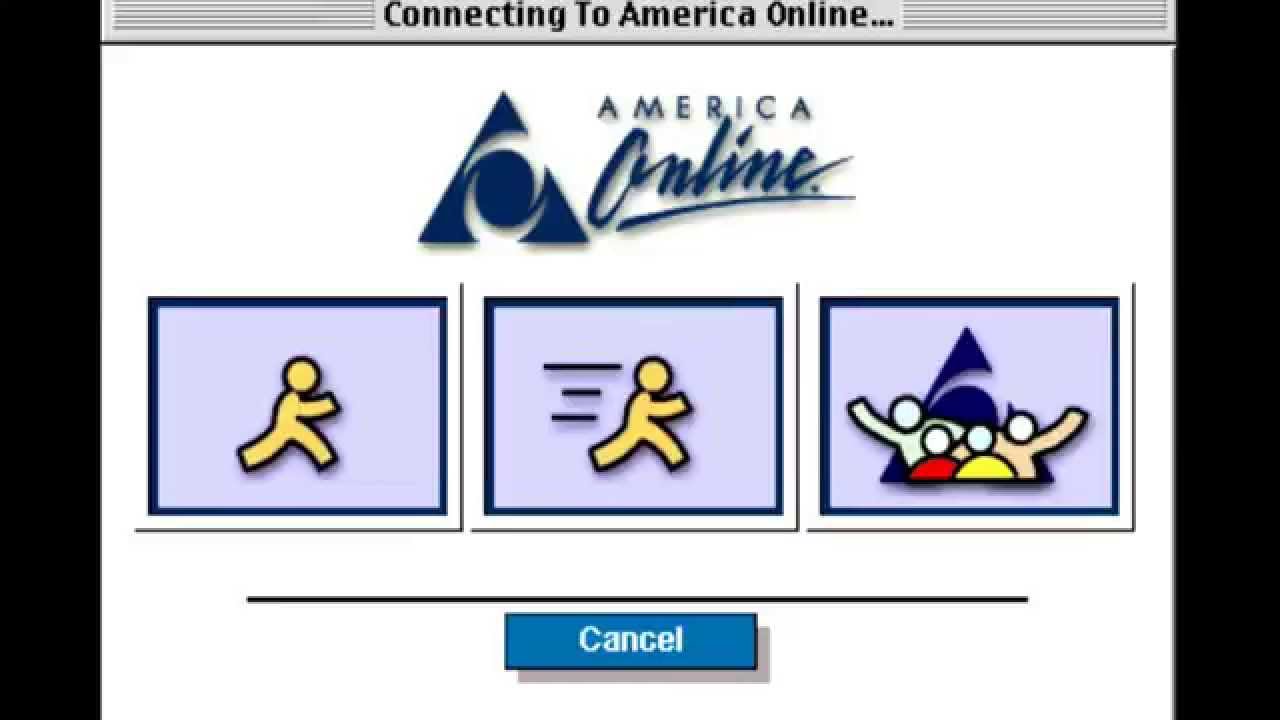
AdventuresinHD – AOL Dial Up Internet Connection Sound + You’ve Got Mail (America Online) 90’s
Subscribe to edCircuit to stay up to date on all of our shows, podcasts, news, and thought leadership articles.