
 EdCircuit Staff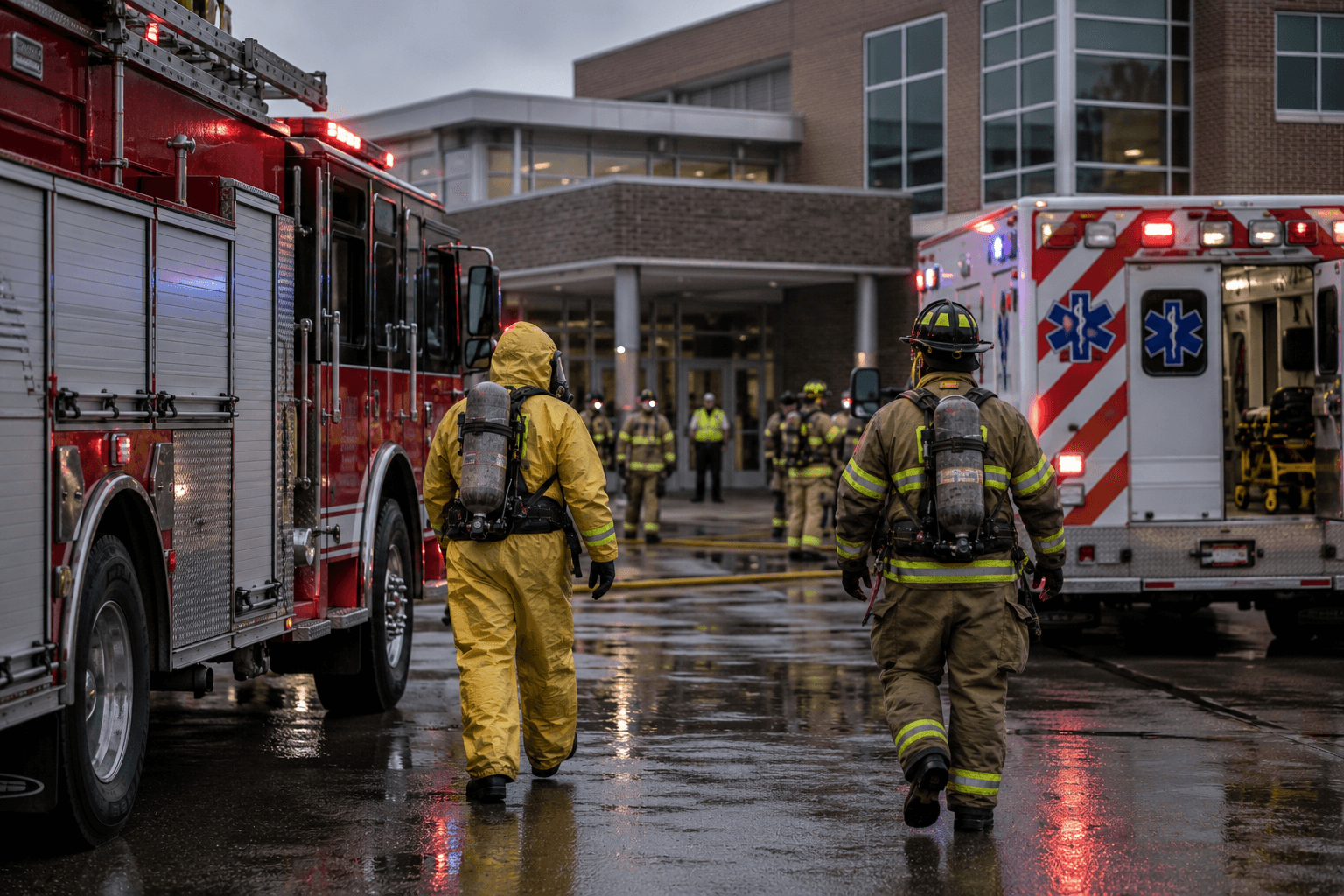
Table of Contents
Lab safety is becoming one of the most important operational and instructional priorities in K–12 education. As science programs continue to expand through STEM initiatives, Advanced Placement coursework, engineering pathways, biotechnology labs, and hands-on learning experiences, schools are managing increasingly complex laboratory environments that require professional-level safety oversight.
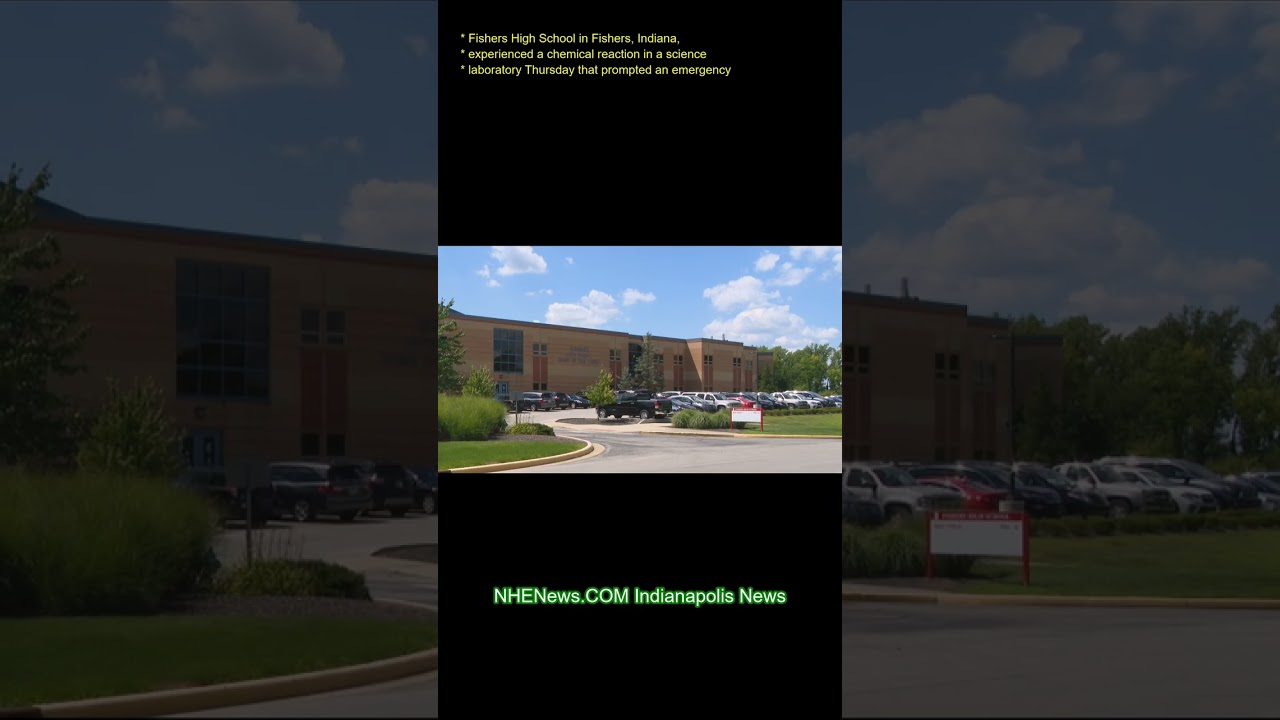
The recent chemical incident at Fishers High School in Indiana serves as another reminder that even experienced educators and well-run programs can face unexpected laboratory emergencies. According to multiple reports, a chemical reaction in a science lab prompted a significant response from local police, fire departments, and Indiana State Police after concerns emerged while materials were being prepared for an Advanced Placement chemistry project. Authorities later confirmed that the substance was safely destroyed and no injuries were reported.
The outcome could have been far worse.
That reality is exactly why districts must move beyond viewing lab safety as a compliance checklist and instead recognize it as a critical responsibility tied directly to student protection, staff wellbeing, operational readiness, and district liability management.
The Growing Complexity of School Laboratories
Today’s school laboratories are far more advanced than many people realize.
Students regularly work with corrosive chemicals, heat-producing equipment, electrical systems, compressed gases, biological specimens, lasers, reactive compounds, and engineering tools that require careful supervision and strict safety controls. Many high school STEM and CTE environments now resemble scaled-down professional laboratories.
At the same time, districts are often balancing aging facilities, limited budgets, staffing shortages, and growing expectations around hands-on learning. Science educators are frequently responsible not only for instruction, but also for inventory management, chemical storage, waste disposal, laboratory preparation, safety documentation, and emergency planning.
That combination creates risk.
The Fishers High School incident appears to have been handled appropriately. Emergency personnel responded quickly, the substance was safely neutralized, and no injuries occurred. But incidents like this reveal how quickly a routine preparation activity can escalate into a multi-agency emergency response.
For district leaders, the key question should not simply be whether anyone was injured.
The better question is whether their systems are strong enough to prevent the next incident from happening.
Why Chemical Hygiene Officers Matter
One of the most overlooked positions in K–12 education is the Chemical Hygiene Officer, often referred to as a CHO.
In some districts, the role is assigned informally. In others, responsibilities are scattered across multiple staff members with no centralized oversight. Some schools may not even realize the position should exist.
Yet a properly trained Chemical Hygiene Officer plays a critical role in maintaining safe laboratory operations and supporting compliance with recognized laboratory safety standards and professional best practices.
A CHO typically helps oversee:
- Chemical inventory management
- Proper storage and segregation
- Safety Data Sheet (SDS) organization
- Hazard communication
- Chemical disposal procedures
- PPE compliance
- Emergency preparedness
- Laboratory inspections
- Staff safety training
- Incident documentation
- Risk assessments
- Ventilation awareness
- Compliance procedures
Most importantly, the CHO creates accountability and consistency across a district’s science program.
Without centralized oversight, laboratory safety procedures can vary dramatically from classroom to classroom. Chemical inventories become outdated. Storage rooms become overcrowded. Expired or unstable chemicals remain on shelves. Safety training becomes inconsistent. Emergency planning becomes reactive instead of proactive.
Teaching chemistry and overseeing a chemical hygiene program are not the same responsibilities.
Science teachers already manage enormous instructional demands. Expecting them to independently oversee complex chemical hygiene systems without structured district support can create dangerous gaps.
Lab Safety Is About Trust
In many science classrooms, students walk into laboratories trusting that the environment around them is safe long before they fully understand the risks associated with chemicals, heat sources, reactive materials, or specialized equipment.
Families trust that schools have systems in place to protect their children.
Educators trust that equipment is functioning properly, chemicals are stored correctly, and emergency procedures are ready if something goes wrong.
That trust carries enormous responsibility.
Lab safety is not just about compliance documents or inspection checklists. It is about protecting students, educators, and school communities while creating environments where hands-on learning can occur safely and confidently.
The Importance of Treating Near Misses Seriously
One of the biggest mistakes organizations make is dismissing incidents that do not result in injuries.
In professional laboratory environments, near misses are treated as serious learning opportunities because they expose weaknesses before catastrophic outcomes occur.
The Fishers incident should be viewed through that lens.
The fact that nobody was injured does not reduce the importance of the event. Instead, it highlights why preparation, communication, emergency response coordination, and safety protocols matter.
Schools should use incidents like this to evaluate important questions:
- Are chemical inventories updated regularly?
- Are incompatible chemicals separated properly?
- Are reactive substances clearly identified?
- Are teachers trained on handling hazardous materials?
- Is PPE consistently available and enforced?
- Are ventilation systems functioning correctly?
- Are emergency response procedures practiced regularly?
- Is there a formally designated CHO?
- Are laboratory inspections documented consistently?
These are not small operational details.
They are foundational components of a district’s duty of care.
Safety Culture Starts With Leadership
One of the strongest indicators of laboratory safety is not building age or district size.
It is culture.
Schools with strong safety cultures typically share several characteristics:
- Leadership prioritizes safety conversations
- Staff feel comfortable reporting concerns
- Near misses are documented and reviewed
- Safety training occurs regularly
- Laboratory procedures are standardized
- Safety equipment is inspected routinely
- Chemical purchasing is monitored carefully
- Roles and responsibilities are clearly defined
In weaker safety cultures, safety becomes informal and reactive. Procedures are passed down verbally. Documentation becomes inconsistent. Storage rooms become cluttered. Staff rely on memory instead of written protocols.
Over time, those vulnerabilities compound.
The challenge is that lab safety often receives widespread attention only after a public incident occurs. But the absence of headlines does not necessarily mean the absence of risk.
The Expanding Demands on Science Teachers
Science teachers today are being asked to balance more responsibilities than ever before.
In addition to delivering engaging instruction, many educators are managing larger class sizes, increased behavioral needs, evolving curriculum expectations, and growing pressure to provide innovative Safer STEM experiences.
At the same time, many are also expected to maintain laboratory inventories, organize storage areas, monitor safety equipment, prepare materials, and manage hazardous waste procedures.
That workload creates pressure points even for highly experienced educators.
This is another reason Chemical Hygiene Officers are so important.
A strong chemical hygiene program distributes responsibility across a system instead of placing the entire burden on classroom teachers alone.
It also creates opportunities for ongoing professional development so educators remain current on evolving lab safety standards, storage procedures, emergency response protocols, and best practices for handling hazardous materials.
Emergency Response Is Only One Layer of Safety
Public attention naturally focuses on emergency response during incidents like the one at Fishers High School. Fire trucks, police vehicles, evacuations, and hazmat responses are visible and dramatic.
But the most important lab safety work happens long before first responders arrive.
True lab safety is rooted in prevention.
It includes:
- Careful experiment planning
- Reviewing chemical compatibility
- Evaluating risk levels
- Inspecting storage conditions
- Training staff regularly
- Monitoring ventilation systems
- Testing eyewash stations and safety showers
- Maintaining accurate documentation
- Practicing emergency response procedures
- Building strong communication systems
When those systems are strong, schools reduce the likelihood of emergencies occurring in the first place.
The Liability Conversation Districts Cannot Ignore
There is also an important operational and legal reality districts must acknowledge.
If a serious laboratory incident occurs, investigators will likely examine safety documentation, training records, chemical inventories, inspection logs, emergency planning procedures, and oversight responsibilities.
Districts without clearly defined chemical hygiene programs may face difficult questions about how laboratory safety was being managed and monitored.
This is why many safety experts believe every district operating science laboratories should have a formally designated and properly trained Chemical Hygiene Officer overseeing safety systems and procedures.
The role is not simply about regulatory compliance.
It is about reducing preventable risk while strengthening the overall safety culture of a school district.
Moving From Reaction to Prevention
The Fishers High School incident ended without injuries, and that remains the most important outcome. But districts across the country should still pay close attention to what the incident represents.
Science education remains one of the most valuable parts of the student experience. Laboratory learning encourages curiosity, innovation, problem-solving, collaboration, and career exploration.
Schools should absolutely continue expanding hands-on STEM opportunities.
However, those opportunities must be supported by equally strong lab safety systems.
The future of STEM education depends not only on innovation but on responsibility.
That means investing in stronger safety cultures, improving laboratory oversight, supporting educators with ongoing training, and ensuring every district has qualified individuals overseeing chemical hygiene programs.
Because in modern science education, preparation is not just a best practice.
It is protection.
Subscribe to edCircuit to stay up to date on all of our shows, podcasts, news, and thought leadership articles.