 Charline Brown
  Sara Millas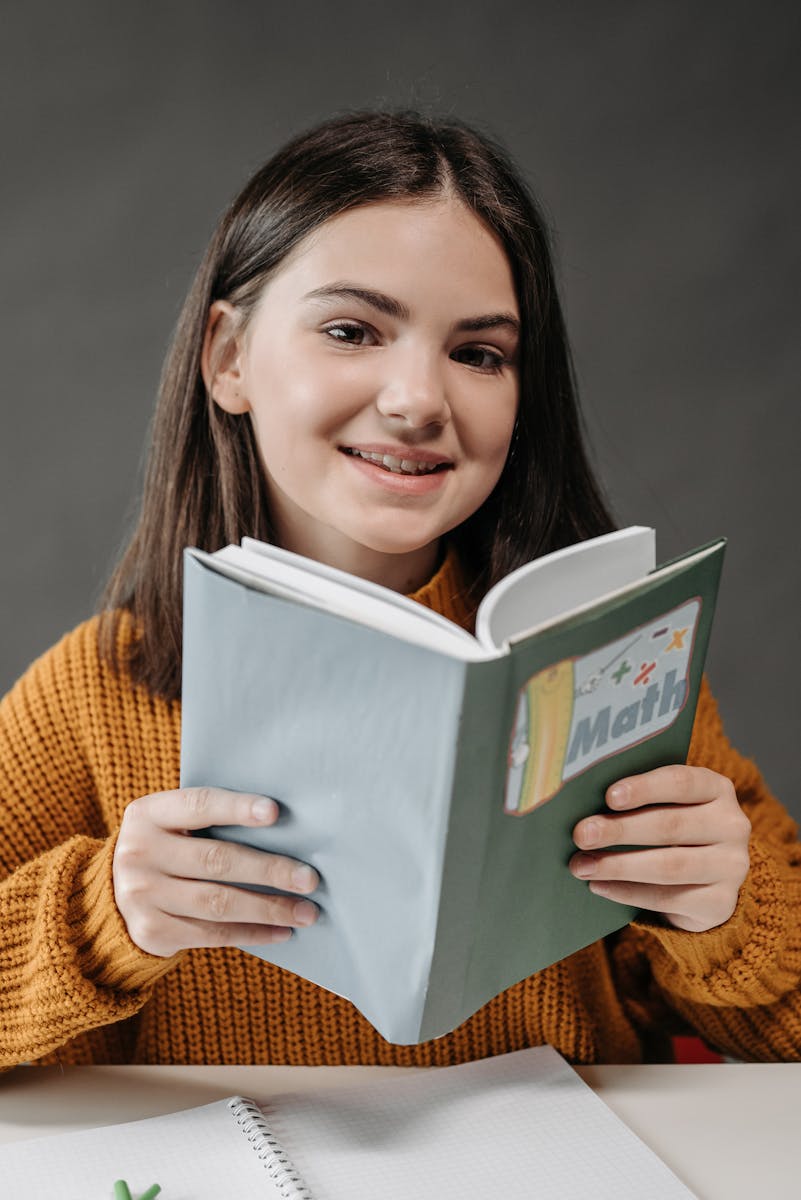
When our students started saying, “Math is my favorite subject,” we knew something big had changed. Just a year earlier, many saw math as intimidating. But after implementing the Ongoing Assessment Project (OGAP) professional learning program, both teaching and learning took on a new energy—one grounded in research, reflection, and real-time evidence of student thinking.
At Mont Vernon Village School, we were proud of our hardworking students and dedicated teachers. But even with strong instruction, our math results weren’t where we wanted them to be. Too often, students could recall steps without understanding what those steps meant. We wanted classrooms where students reasoned through problems, made connections, and explained their thinking. That shift required more than a new curriculum—it required a new way of teaching and learning.
Before our professional learning program, math instruction was largely procedural. Teachers followed pacing guides and hoped that enough practice would lead to mastery. Students could compute accurately, but they struggled to explain why an answer was correct or apply a concept in a new context. It wasn’t for lack of effort—we just lacked tools to see beneath the surface and understand misconceptions.
The professional learning changed that. Through four days of intensive training and a full year of coaching and PLC support, we learned to view student work as a window into reasoning. Sessions built our understanding of learning progressions in key strands—additive reasoning, multiplicative reasoning, fractions, and proportionality—and helped us see how each concept builds on the next. Instead of teaching math as isolated skills, we began teaching it as a coherent journey.
For teachers, that transformation was energizing. We no longer saw mistakes as failures—they became evidence of student thinking. PLC conversations shifted from “Did they get it right?” to “What does their response tell us about understanding?” That subtle change transformed how we planned lessons and interventions. We started asking better questions—of ourselves and our students—and the answers deepened our instruction.
As coaches and teachers collaborated, the work became contagious. The professional learning gave us a shared language that unified how we talked about math across grade levels. Teachers brought examples of student work to meetings, analyzed misconceptions together, and strategized ways to move learning forward. The consistency built confidence—not just in teachers, but in students, who began recognizing that math made sense.
We also began seeing small but powerful shifts in student behavior. Students took more risks in problem-solving and became more willing to share their thinking. They challenged each other respectfully, using phrases like “I disagree because…” or “I solved it another way.” Our classrooms became spaces for exploration and dialogue rather than silent worksheets and right answers.
That shift didn’t happen by accident—it happened because teachers were learning, too. As educators, we rediscovered the joy of teaching math when we could see students reasoning and growing in real time. Our professional learning helped to make us diagnosticians of learning rather than deliverers of lessons. It gave us a process for identifying where a student is, determining why, and knowing what to do next.
The results speak for themselves. SAS summative results confirm what we see daily. Student math performance shows a clear upward trajectory, with more than half meeting or exceeding state growth targets for the first time in three years. Benchmark assessments mirror that trend, highlighting measurable improvement in conceptual understanding and problem-solving. Teachers report stronger student engagement, higher confidence, and greater perseverance.
For us, those numbers aren’t just statistics—they represent real children learning to think differently about math. We see students approaching problems with curiosity rather than anxiety. They explain their reasoning and find joy in tackling complex questions. When fifth-graders start saying math is their favorite subject—and they truly mean it—it’s the most meaningful kind of progress.
The success of our professional learning isn’t limited to one classroom. Because it’s a professional learning program rather than a curriculum, its impact multiplies over time. Each new teacher who participates joins a growing community of practice that sustains improvement. As our district expands this approach, we’re building a stronger, more coherent approach to math instruction for every student.
OGAP’s research base gives us confidence that this work is worth continuing. The program is grounded in mathematics education research funded by the National Science Foundation and validated nationally with an ESSA Tier I: Strong Evidence rating—the highest federal standard for demonstrating measurable impact. Knowing our local results align with national evidence reinforces what we’ve seen firsthand: when teachers learn differently, students think differently.
For district and school leaders seeking to improve math outcomes, our experience offers a clear takeaway: invest in your teachers. Give them time, training, and trust to study how students learn math. Provide a research-grounded framework and watch both teaching and learning transform. Professional learning that helps teachers see into student reasoning creates ripple effects far beyond one classroom or one year. It builds a system where every student has a chance to succeed—and even fall in love with math.
Subscribe to edCircuit to stay up to date on all of our shows, podcasts, news, and thought leadership articles.