Mastering Learning for the Present and Future
Preparing students for the known and unknown


The purpose of education is to prepare students to deal with a rapidly changing and developing future
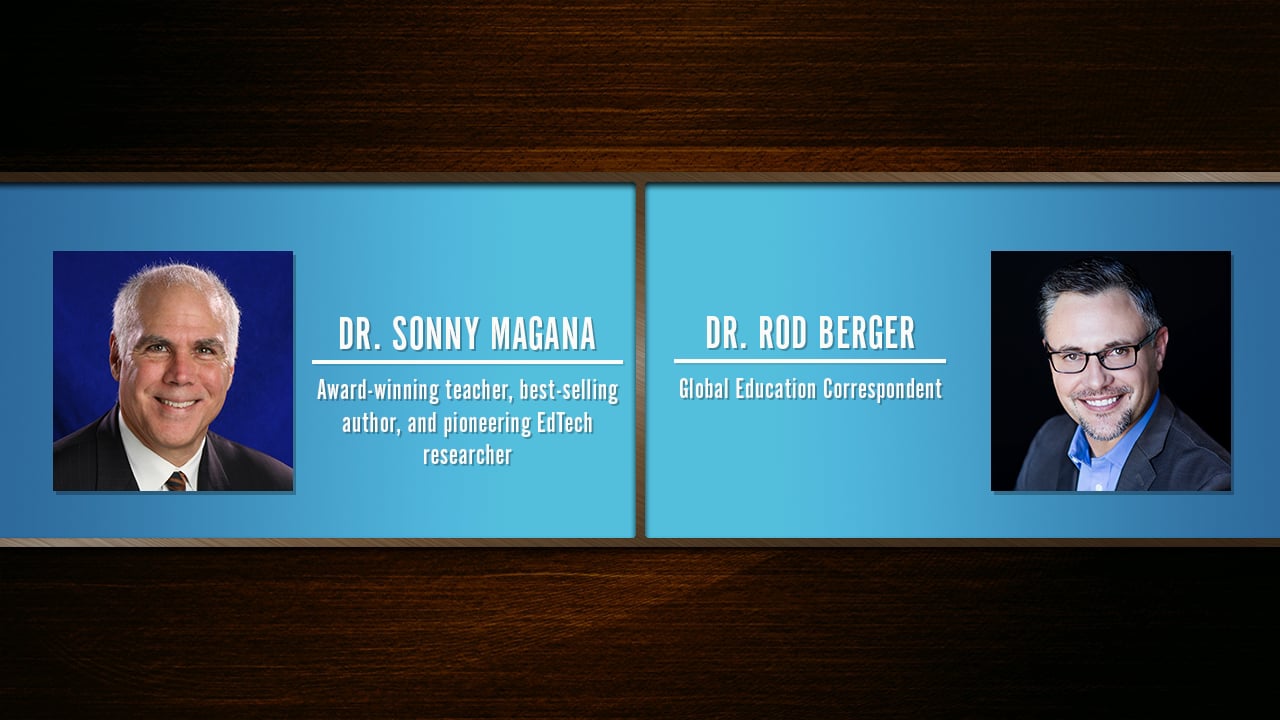

I recently sat down for an in-depth discussion with Dr. Sonny Magana to talk about his T3 Framework for Innovation in Education (Part 1)
For Sonny, any meaningful discussion, narrative or perspective on modern education has to start with a common understanding of the purpose of education. He says we must have a commonly accepted definition, as well as knowing why we’re here and why we do what we do. The necessary first step to getting everything and everyone moving together towards the common goal of educating our students is to answer the question, “What is the purpose of education?”

But Sonny warns that’s only half of it. He says the other half of the purpose of education is to prepare students to deal with a rapidly changing and developing future. We can guess what the world will look like in 20 years, but as the last 50 years have shown, even our best guesses are usually wildly wrong. Could any of us have imagined the worldwide impact of smart phones just 15 years ago? Things change too quickly, with new tools and technologies introduced almost daily. As a result, subsequent consequences and problems emerge that were unimagined just a few short years earlier.
“The purpose of education should be to help students deeply consolidate the requisite knowledge and skills and mindsets and strategies that help them address future learning problems so that they can master future learning,” Sonny says. “That’s what makes teaching such a noble and difficult profession. We are training students to master learning now and in the future, trying to prepare them for the known and unknown.”

In those situations, Sonny says that students are really taking ownership of their learning. “They’re not dependent on somebody else to tell them what learning is, what they need to do, and what success looks like,” he says. “Mindlessly feeding them information and not letting them figure stuff out for themselves sets kids up for failure in the future when they encounter really complex learning problems without anyone standing there telling them how to solve them.”
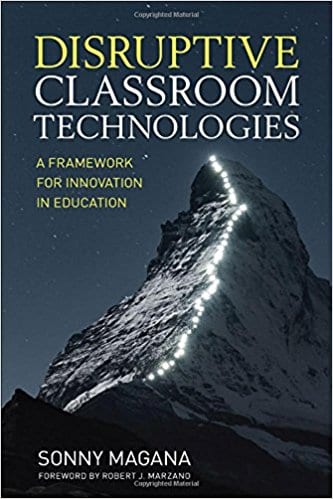
- edCircuit – Sonny Magana Columns
- EdTech Magazine – What Is a Modern Learning Environment?
- New York Times – A New Kind of Classroom: No Grades, No Failing, No Hurry
More on EdTech