
edcircuit
Five professionals stand against a blue background with text promoting CoSN, encouraging exploration of the K-12 education community and innovation. CoSN website link is displayed.
Two adults, a man giving a thumbs-up and a smiling woman, stand before a blue background with the text “Discover Your K-12 Community: CoSN Shape the Future of Education. COSN.org.”.
Home Hot Topics - controversial Evaluating High School Graduates
1 minutes read

Evaluating High School Graduates

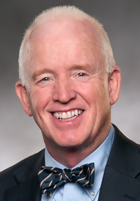
John McLaughlin, Ph.D., believes we should look at the quality of high school graduates where we raise/lower standards and then boast reductions in dropouts.

As we turn down the proverbial homestretch of the academic year, what questions should we ask soon-to-be high school graduates? John McLaughlin, Ph.D., believes we should be looking at the quality of graduates in a world where we raise/lower standards and then boast reductions in dropout cases. 

McLaughlin’s Take

It’s not rocket science; we raise graduation rates by lowering requirements and eliminating high-stakes tests as Alabama and most states have done.

Credit should be given to private groups like Communities in Schools that mentors at-risk students toward graduation and Ombudsman Educations Services which specializes in educating at-risk students – in face OES raised the graduation rates of one rural Georgia district by 9% in a two year period.

Yes, graduation is important, but high schools should be measured on the quality of graduates.

Questions to Ponder When Discussing High School Graduates

  1. How many graduates continue education – college, vocational school?
  2. How many graduates require remedial services?
  3. How many graduates are admitted to the military to craft apprenticeships?

Having college or career-ready high school graduates has real savings for taxpayers and real value for the graduate.

Subscribe to edCircuit to stay current on all of our shows, podcasts, news, and thought leadership articles.

  • John M. McLaughlin, Ph.D., directs the Research & Analytics unit of ChanceLight Behavioral Health, Therapy & Education, which evaluates initiatives, provides reviews of literature, examines specific performance inquiries for school district partners, and conducts and publishes original research. With a background in research design and far-reaching industry connections, John has written extensively about the interface of public education and private capital, and, with Mark Claypool, he is co-authored How Autism is Reshaping Special Education: The Unbundling of IDEA and We’re in This Together: Public-Private Partnerships in Special and At-Risk Education, a book that explores public-private partnerships in education and behavioral learning. With Mark, he is writing a book about autism and the Individuals With Disabilities Education Act (IDEA).

    In addition, John is responsible for identifying transaction opportunities for the company, which have contributed significantly to ChanceLight Behavioral Health, Therapy & Education’s growth. Before joining the company in 1999, John published the influential Education Industry Report and was a tenured associate professor of educational administration. In 1977, he founded Benton Hall Academy, a school in the Nashville area for students in need of a small and caring environment.

    View all posts
Two adults, a man giving a thumbs-up and a smiling woman, stand before a blue background with the text “Discover Your K-12 Community: CoSN Shape the Future of Education. COSN.org.”.

Join Thousands of Other Subscribers

This field is for validation purposes and should be left unchanged.

Participate in the COmmunity

Two professionals sitting and smiling with text promoting K-12 community CoSN Resources for EdTech challenges. COSN.org and CoSN logo appear at the bottom.
Five professionals stand against a blue background with text promoting CoSN, encouraging exploration of the K-12 education community and innovation. CoSN website link is displayed.

Use EdCircuit as a Resource

Would you like to use an EdCircuit article as a resource. We encourage you to link back directly to the url of the article and give EdCircuit or the Author credit.

MORE FROM EDCIRCUIT

edCircuit emPowers the voices of education, with hundreds of  trusted contributors, change-makers and industry-leading innovators.

YOUTUBE CHANNEL

@edcircuit

Copyright © 2014-2025, edCircuit Media – emPowering the Voices of Education.  

-
00:00
00:00
Update Required Flash plugin
-
00:00
00:00