
Career Pathways: Preparing Students for the Future
How schools are expanding career exploration, workforce skills, and industry partnerships to prepare students for life after graduation.

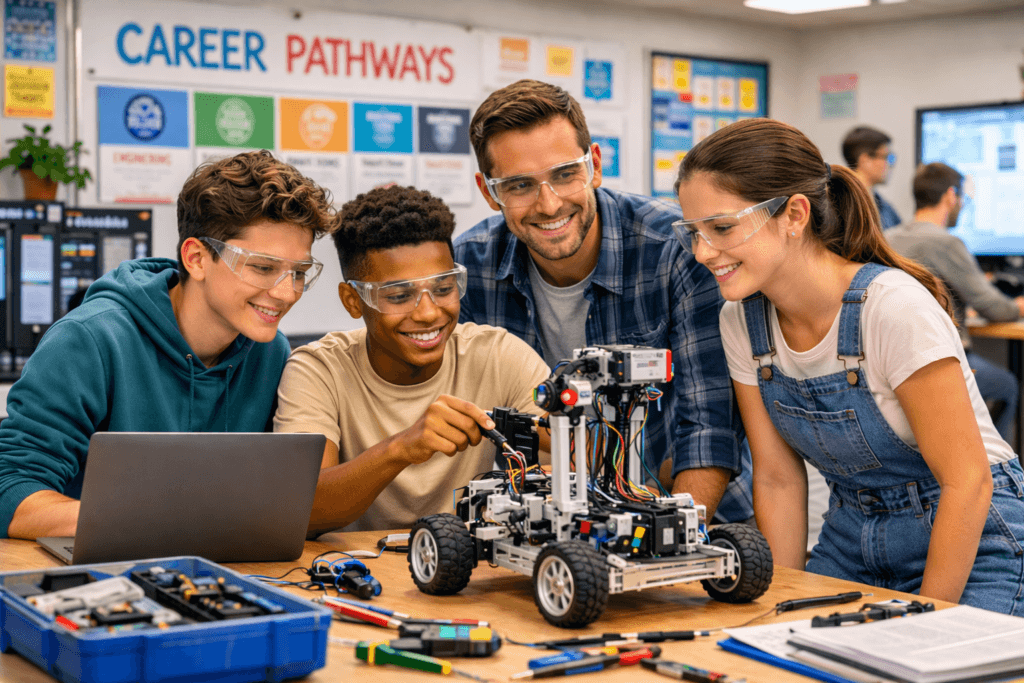
Career pathways in high school help students explore careers, develop workforce skills, and connect classroom learning to real-world opportunities.
Career pathways are becoming a major focus in education as schools work to help students explore careers, develop real-world skills, and connect classroom learning to the future workforce. For generations, high schools were largely designed around a single expectation: preparing students for college. While higher education remains an important goal for many students, educators, and policymakers increasingly recognize that there are multiple successful pathways beyond graduation.
Today’s students are entering a workforce that is evolving faster than ever. Emerging technologies, new industries, and shifting economic demands require schools to rethink how they prepare young people for the future. As a result, many districts are expanding programs that connect classroom learning with real-world career exploration and skill development.
These initiatives are helping students better understand their interests, explore career possibilities, and develop practical skills long before they leave high school.
Why Career Exploration Is Starting Earlier
In the past, career planning often began during the final years of high school. Guidance counselors typically focus on helping seniors navigate college applications, write essays, and apply for financial aid.
Today, many schools are introducing career exploration much earlier in a student’s academic journey.
Middle school and early high school programs increasingly expose students to a wide range of career fields—from healthcare and engineering to digital media, construction, business, and emerging technology sectors. The goal is not to require students to choose a career path prematurely, but rather to help them discover the possibilities available to them.
When students begin to see how classroom subjects connect to real-world careers, their motivation to learn often increases. A student interested in architecture may develop a deeper appreciation for mathematics. A student exploring healthcare careers may become more engaged in biology or chemistry courses.
Career exploration helps students understand that the knowledge they gain in school has meaningful applications beyond the classroom.
The Continued Growth of Career and Technical Education
One of the most significant developments in education today is the expansion of Career and Technical Education (CTE) programs.
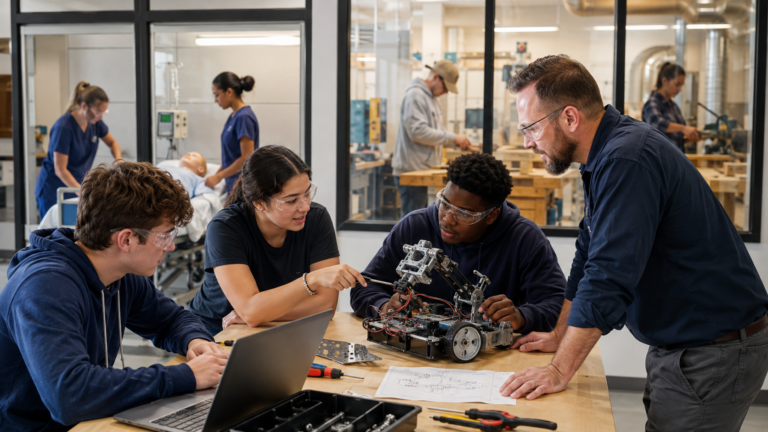
Modern CTE programs look very different from the vocational tracks of previous generations. Today’s pathways include fields such as cybersecurity, robotics, aviation technology, healthcare sciences, advanced manufacturing, digital design, and engineering.
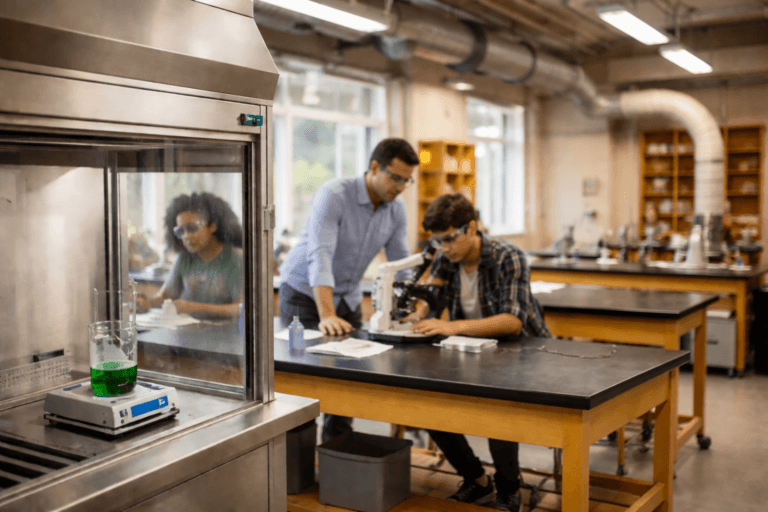
Students participating in these programs often combine traditional academic coursework with hands-on learning experiences. In some schools, students design prototypes using 3D printers in engineering labs. Others explore healthcare careers through clinical observation programs or work with simulation equipment that mirrors real-world medical environments.
These experiences help students build both technical knowledge and essential professional skills such as teamwork, communication, and problem-solving.
For many students, CTE programs provide a clear connection between what they learn in school and the careers they may pursue in the future.
Partnerships Between Schools and Industry
Career pathway programs are also strengthening the relationship between schools and local industries.
Businesses increasingly recognize the importance of engaging with students early. By partnering with school districts, companies can introduce students to career opportunities while helping schools align education with workforce needs.
These partnerships often include guest speakers, workplace tours, internships, mentorship programs, and job shadowing opportunities. Students gain valuable insight into how professionals apply academic concepts in real-world environments.
For example, a local hospital might collaborate with a school district to offer healthcare pathway students opportunities to observe clinical settings. Technology companies may partner with computer science programs to introduce students to careers in coding, cybersecurity, or software development.
These collaborations not only benefit students but also help communities develop strong pipelines of future talent.
The Role of School Counselors and Career Advisors
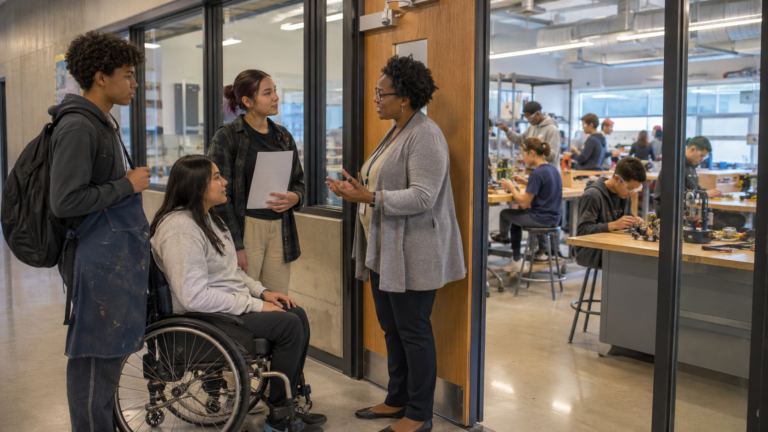
School counselors and career advisors play an essential role in helping students navigate these opportunities.
While counselors continue to support students through the college application process, their role increasingly includes helping students explore a wide range of postsecondary options. They guide students in identifying interests, understanding career pathways, and selecting courses that align with their future goals.
Many schools are also implementing digital career planning platforms that allow students to explore industries, track their interests, and map out potential career paths. These tools help students make informed decisions about coursework, extracurricular activities, and future training or education.
Through these systems, students gain a clearer understanding of how their academic choices today can influence their opportunities tomorrow.
Building Skills That Apply Across Every Industry
While career pathway programs provide technical training, they also emphasize broader skills that apply across industries.
Employers consistently highlight the importance of what are often called durable skills or soft skills, including:
communication
collaboration
critical thinking
adaptability
problem-solving
Schools are increasingly incorporating these skills into project-based learning experiences and collaborative classroom activities. Students may work together to design solutions to real-world challenges, present ideas to classmates, or complete projects that mirror workplace environments.
These experiences help students build confidence while preparing them for the expectations they will encounter in both higher education and the workforce.
What Career Pathways Mean for the Future of Education
The growing emphasis on career pathways reflects a broader shift in how educators define student success.
For decades, school systems often measured success primarily through college admission rates. While college remains an important goal for many students, educators increasingly recognize that every student deserves a pathway that aligns with their interests, strengths, and ambitions.
For some students, that path may lead directly to a university. For others, it may involve apprenticeships, workforce training programs, military service, entrepreneurship, or specialized certifications.
What matters most is that students graduate with a clear sense of direction and the skills needed to pursue their chosen path.
Helping Students See the Possibilities Ahead
Career pathway programs are helping students connect classroom learning to opportunities beyond school walls. By introducing students to careers earlier and providing meaningful hands-on experiences, schools are helping young people imagine the futures they might build.
When students can see how their education connects to real-world possibilities, learning becomes more meaningful. Lessons feel more relevant, goals become clearer, and motivation grows.
As education continues to evolve, career exploration and workforce readiness will play a critical role in helping students move confidently from classrooms into the opportunities that await them.
Subscribe to edCircuit to stay up to date on all of our shows, podcasts, news, and thought leadership articles.
Related reading
More on Career and Technical Education (CTE)