
 EdCircuit Staff
CoSN 2026 Day 2 marked a decisive shift from early conference energy to full-scale engagement, where conversations turned into strategy and strategy began evolving into action. Inside the CoSN 2026 Conference, district leaders, technology officers, and education innovators leaned into one undeniable reality: artificial intelligence is no longer an emerging topic—it is now a foundational expectation.
From the first sessions of the morning to the closing keynote, Day 2 reflected a K–12 landscape that is rapidly moving beyond exploration. School systems are no longer asking whether AI belongs in education. They are now focused on how to implement it responsibly, sustainably, and at scale.
A Morning Defined by Urgency and Direction
The day began early, with networking opportunities setting the tone for collaboration before attendees dispersed into a dense schedule of sessions. Leaders were immediately faced with difficult choices—not because of a lack of options, but because nearly every session addressed a critical pressure point in modern education.
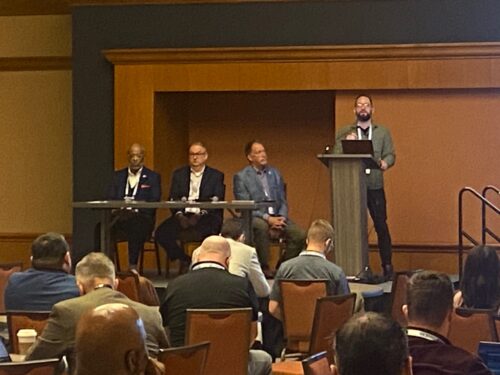
Cybersecurity sessions reinforced this urgency. District leaders examined real-world phishing simulations and system vulnerabilities, recognizing that as AI capabilities expand, so too do the risks. The takeaway was clear: AI innovation and cybersecurity strategy must evolve together.
AI Moves to the Center of Every Conversation
By mid-morning, a clear pattern had emerged—AI was no longer confined to a single track or specialty session. It had become the connective tissue across the entire conference.
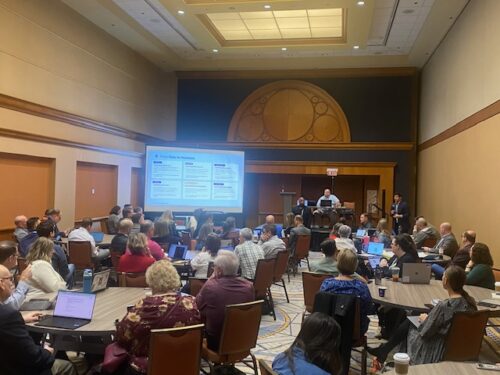
The continued draw of the AI Playground reinforced this shift. Attendees were not just listening—they were experimenting, testing tools, and engaging directly with emerging technologies. This hands-on approach reflected a broader trend: districts are moving from passive learning to active implementation.
Where the Conference Comes to Life
While sessions provided structure, the real momentum of Day 2 could be felt beyond the scheduled agenda. The exhibit floor—especially the EdTech Exchange—and surrounding networking spaces quickly became the heartbeat of the event, driving authentic, meaningful conversations.
This is where theory meets reality.
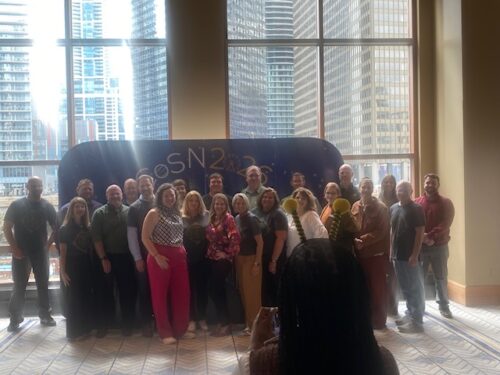
For edCircuit, the positioning near registration proved especially impactful. With consistent foot traffic and organic interactions, it created a steady flow of conversations with educators, administrators, and industry leaders. These moments—unscripted and immediate—often provide the most accurate snapshot of where education is heading.
From Big Ideas to Real-World Application
As the day progressed, the focus shifted from high-level vision to practical execution. Sessions in the late morning and early afternoon emphasized implementation, sustainability, and long-term planning.
Topics such as E-Rate funding, technology lifecycle management, and post-ESSER budget realities reflected the financial pressures districts are navigating. Leaders are being asked to innovate while simultaneously managing shrinking or uncertain funding streams.
At the same time, sessions on responsible AI practices, micro-credentialing, and workforce development highlighted a growing commitment to building systems that are not only effective, but also scalable and sustainable.
This transition—from vision to execution—was one of the defining characteristics of Day 2. Districts are no longer satisfied with inspiration alone. They are demanding strategies that can be implemented, measured, and refined.
Balancing Innovation with Responsibility
The afternoon keynote, “Building What’s Next: Supporting Youth in a Digital World,” brought a broader perspective to the day’s discussions. While much of the conference focused on technology, the keynote served as a reminder that innovation must remain grounded in student experience.
Conversations expanded to include digital well-being, human connection, and the long-term impact of technology on learning environments. As AI continues to reshape education, leaders are being challenged to ensure that progress does not come at the expense of student development or community values.
This balance—between rapid innovation and thoughtful responsibility—is becoming one of the most important leadership challenges in K–12 education.
The Defining Takeaways from Day 2
Day 2 of CoSN 2026 reinforced several key themes that are shaping the future of education:
Artificial intelligence is now embedded in every major conversation, influencing decisions across leadership, instruction, and infrastructure. Cybersecurity is evolving alongside AI, creating a dual priority that districts must address simultaneously. Leaders are shifting from exploration to implementation, focusing on how to scale innovation in real-world environments.
At the same time, funding and sustainability remain significant concerns, particularly as districts move beyond temporary federal support. Perhaps most importantly, the value of the conference continues to extend beyond sessions—residing in the connections, conversations, and shared experiences that bring these ideas to life.
Looking Ahead
As CoSN 2026 continues, the momentum from Day 2 sets the stage for deeper conversations and more targeted strategies. The questions facing K–12 leaders are becoming more complex, but so too are the solutions being developed in spaces like this.
For edCircuit, the focus remains clear: listen, connect, and amplify the voices shaping the future of education.
Because if Day 2 made anything certain, it’s this—the future of K–12 is not being imagined. It is being built, right now.
Day One: CoSN 2026: On the Ground with edCircuit
Subscribe to edCircuit to stay up to date on all of our shows, podcasts, news, and thought leadership articles.