 Jennifer Abrams
In her third video column, Jennifer Abrams reflects on recent conversations with coaches and administrators about the difficulties they have encountered while working with other adults in the school. As we are going to be working together with these colleagues for the long haul, how can we look past our own experiences and bias to meet our peers where they are….and vice versa?
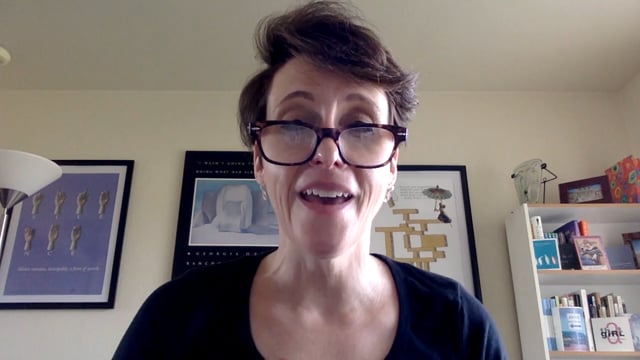
Jennifer shares insights to help all educators think through effective ways to improve collaboration with each other, tasking each group to start with empathy, follow up with suggestions, and embrace tough but essential conversations. The questions below are intended to get you thinking about how you perceive others and begin strategizing ways to improve these interactions:
1.) When thinking about your frustrations with others who work with you, it’s natural for people to use their bias as the baseline for comparison. What strategies can you start implementing to think about where others are coming from based on age, experiences, and background? How can you overcome this bias when communicating with others?
2.) Pointing out unfavorable behavior isn’t helpful without adding suggestions to help others improve — in other words, criticism without effective alternatives isn’t constructive. Do you agree? Why or why not?
3.) The final piece of advice presented in this video column is to engage in tough conversations, and there is a list of instances when they become necessary. Think back on a time when you’ve had to initiate these kinds of conversations — was the outcome positive? If not, what would you have done differently?
We encourage you to catch up on Jennifer’s written columns and previous video columns here.
Subscribe to edCircuit to stay up to date on all of our shows, podcasts, news, and thought leadership articles.
More on K-12