





Dr. Steve Joel, then superintendent of Lincoln Public Schools in Nebraska, spoke in this 2017 CoffeED interview about immigration and refugee resettlement and the network of superintendents that supports districts. A new section after the interview sets out what has changed since, including the 2025 policy shift, what the courts have said and what districts are doing.
We had the opportunity to sit down recently with Dr. Steve Joel, superintendent of the Lincoln Public School District in Lincoln, Nebraska, to discuss the growing support amongst superintendents in this country. Joel shared his enthusiasm for a network boosted by The School Superintendents Association (AASA) that provides a year-round commitment to solving challenges that all districts face.
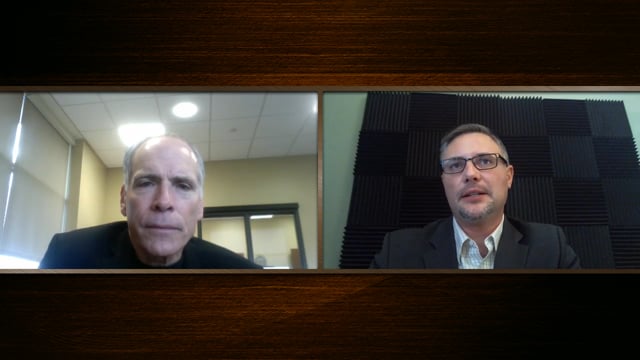
One of the real fears and concerns across the country right now is, what if President-Elect Trump follows through on his commitment to deport 11 million people?
Schools Should be Safe
Immigration enforcement and schools in 2026: what the law says and what districts have done since 2017
In early 2017, Dr. Steve Joel, then superintendent of Lincoln Public Schools, spoke about the worry among superintendents that schools could become places where immigration enforcement reaches families, and about the network of superintendents that supports districts facing such questions. The same concern about immigration enforcement and schools has returned in the years since, and this section sets out what the courts and districts have said, using reporting from 2025. Readers should check the current legal position with their district’s attorney, because court cases and federal policy on this subject have been changing.
The legal foundation: Plyler v. Doe
The right of children to attend public school regardless of immigration status rests on a 1982 Supreme Court decision, Plyler v. Doe. The Court held that a Texas law withholding state funds for, and allowing districts to deny enrollment to, children not legally admitted to the country violated the Equal Protection Clause. The Legal Information Institute’s text of the decision records that the Court found the law imposed a lifetime hardship on children who were not responsible for their status. As The 74 reported in April 2025, the 5-4 ruling also means schools may not ask about immigration status at enrollment.
What changed in 2025
Schools had long been treated as “sensitive” places where federal immigration enforcement was limited. The 74 reports that the roughly 14-year-old policy was rescinded in January 2025, right after the new administration took office, and calls the change an executive order. Immigration and Customs Enforcement’s protected areas page identifies the directive as a Department of Homeland Security memorandum dated January 20, 2025, which supersedes and rescinds the October 27, 2021 memorandum on enforcement actions in or near protected areas and tells officers to use enforcement discretion with “a healthy dose of common sense.” In February 2025, Denver Public Schools sued the Department of Homeland Security. On March 7 a federal judge denied the request for an injunction, according to the same report, after the government said its current policy requires some level of approval before an action is taken at a school. The judge acknowledged that this limit does not remove anxiety among students and families. This section does not describe any later steps in the case.
What districts put in place
The Illinois State Board of Education issued non-regulatory guidance on January 22, 2025, which Illinois Public Media summarized. The guidance encourages districts to adopt clear policies on when and how staff cooperate with federal immigration officials. It suggests naming a point person or department to receive federal authorities who arrive on campus, designating someone to review records requests and subpoenas and keep a log of them, and working with legal counsel. It also lists the kinds of documents staff might be handed, including federal court warrants, judicial subpoenas, civil immigration warrants, notices to appear and administrative subpoenas, which carry different legal weight.
Districts in the Kansas City area, in reporting by The 74 and its partner Beacon, show how policies differ. One district leaves responses to outside agency requests for student information to building administrators. Another told parents in a January 2025 notice that law enforcement has no special access to records and generally cannot interact with students without a subpoena, court order or parental permission, except in emergencies. A third is training staff, including legal and security teams, to recognize valid court orders and warrants. The report found no immigration incidents inside or on local K-12 school grounds, though a man was detained near an elementary school in February.
Attendance and fear
The 74 describes what happened in Alabama in 2011, when districts were ordered to check students’ immigration status: attendance among Latino students, including those born in the United States, dropped sharply, and a federal court later permanently blocked the law. An advocate quoted in the same report said some children are being kept home by parents. The report offers no national attendance figures, so a district should look at its own attendance data rather than rely on general claims.
Steps a district leader can take
- Write a protocol with the district’s attorney that names who receives any visitor from a federal agency and who reviews any document before staff act on it.
- Train office and security staff on the difference between a judicial warrant and an administrative document, using the document list in state guidance.
- Keep a log of records requests, as the Illinois guidance suggests.
- Tell families in plain language, and in the languages the community speaks, what the school will and will not do, as the North Kansas City notice did.
- Watch attendance by group and offer counseling or a trusted staff contact to students who seem anxious. Qualified school counselors and community legal aid organizations can help with questions staff cannot answer.
As the interview above reports, Joel considers it imperative that schools remain safe places for children and that students are never used as a way to reach their parents. The practical measures above are ways a district can act on that position in writing before a visit occurs. A district that has legal advice it can rely on is better placed to keep that commitment.
Subscribe to edCircuit to stay up to date on all of our shows, podcasts, news, and thought leadership articles.
Related reading
More on Education Policy and Government

