Jaime Donally is an author, speaker, and consultant specializing in immersive technology. Awareness of AR and VR capabilities has increased, and Donally is excited about the developments. “Last year, we were still explaining the difference between augmented and virtual reality. But [today] I think people are starting to get more of a grip on what it is and some of the concepts behind it,” she adds.
An Immersive Experience
Today, many teachers are embracing and “digging into” AR and VR applications in the classroom. Donally is highly optimistic about even greater acceptance moving forward. As she further explains, “They’re not just jumping on the technology because of the ‘wow;’ they’re now jumping in because they’re ready to see it transform their classrooms. It’s an exciting time because we’re finally ready to transition from the foundation to more of the immersive experience for students as a whole and [having an] effect on curriculum.”
Conversations around AR and VR are moving away from discussions of buying the newest thing to educators asking, “What are the practical devices to use in immersive technology?” With a newfound teacher interest comes the consultant’s job of posing, “What do you currently have right now? Let’s make that useful. Let’s make sure that we’re maximizing what you currently have available.”
There are practical matters to think about with immersive technologies that lead to what Donally calls “ramifications of choice.” She adds, “I love immersive technology, but I’m also very much practical. I’m always about ‘What is your budget? Let’s look at what you want to get from this. Are you hitting what you’re supposed to be hitting, and are you doing what is safe for your kids and what’s going to be beneficial for their lives? If done right, it’s beautiful and amazing. Kids will be spurred on to do some pretty phenomenal things.”
Subscribe to edCircuit to stay up to date on all of our shows, podcasts, news, and thought leadership articles.


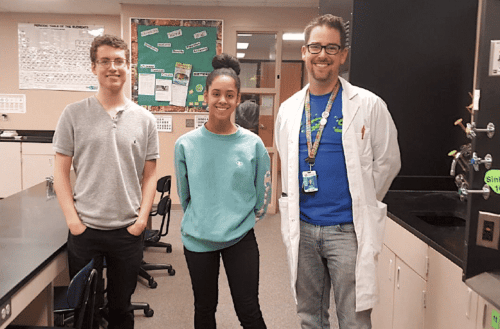 The Conrad Challenge is a global innovation and entrepreneurship competition in which students create solutions to challenges that affect global sustainability. I participated last year as the coach of a team comprised of my former chemistry students Ethan McFarlin and Taylor Harkley, and through the process we all engaged in learning that’s not possible strictly within the confines of the traditional education experience.
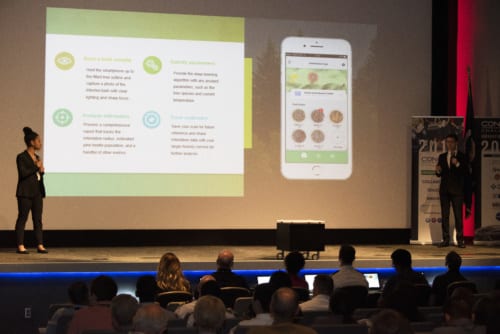 Our team competed in the Energy & Environment category. The students researched, developed, and produced a smartphone app called “PineSight AI,” which utilized learning artificial intelligence neural network technology to analyze tree bark for pine beetle infestation, a huge problem in the forests in our home state of Colorado, as well as elsewhere in the U.S. Through the Challenge process, Taylor and Ethan developed project goals by collaborating with forest industry and computer AI experts, produced a business plan to market and sell their product, and then developed the app itself, working with app developers and software engineers. Needless to say, this required massive amounts of work, learning, and development of the kinds of skills that corporations are looking for in today’s app-driven world.

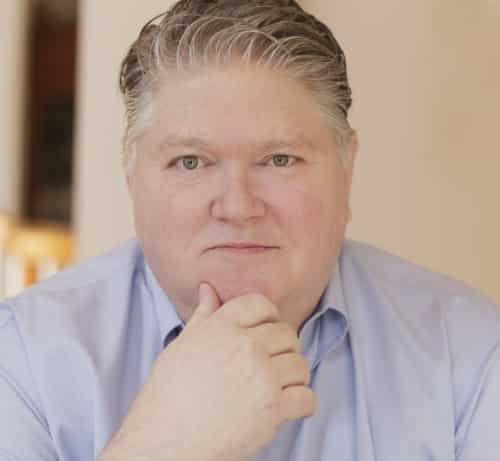 Michael Hart, Ph.D. is a child psychologist with 25 years of experience in the diagnostic assessment and treatment of a full range of learning differences, including dyslexia and (AD/HD). He is the founder/owner of www.drmichaelhart.com and is currently providing webinars, online courses and onsite presentations/training for parents regarding the proper educational care of our dyslexic students.