edCircuit
  • Start Here
    • Login
    • Register
    • Subscribe
    • Submit a Press release
    • Advertise or Sponsor
    • Contribute
    • Get Interviewed
  • On the Wire
  • EdTech
    • All EdTech
    • Online Learning
    • Hybrid and Remote Learning
    • Augmented and Virtual Reality
    • ESports
    • Gamification and Game-Based Learning
    • Digital Citizenship
    • EdTech Entrepreneurs
    • Market Trends
    • Future of Education
  • Artificial Intelligence
  • K-12 Education
    • All K-12
    • K-12 Teachers
    • Teaching Strategies
    • Special Education and IEPs
    • Dyslexia
    • Gifted and Advanced Learning
    • Early Childhood, Pre-K and Kindergarten
    • School Calendar
    • Tutoring and Homework Help
    • Attendance and Absenteeism
    • After-School Programs
    • School Counselors
    • Homeschooling
    • School Models
    • Teacher Retention
    • Parents
    • Students
    • STEM and STEAM Education
  • Teaching and Learning
    • Literacy and Reading
    • Math Education
    • Civics and History Education
    • Financial Literacy
    • Assessment and Testing
    • Curriculum and Instruction
    • Personalized Learning
    • Project-Based Learning
    • Social-Emotional Learning
    • Executive Function
    • Creativity
    • Diversity, Equity, Inclusion
  • Professional Development
    • All Professional Development
    • Educators
    • Administrators
    • edLeaders
  • Higher Education
    • All Higher Education
    • College Admissions
    • Career and Technical Education (CTE)
    • Graduation
    • FAFSA and Financial Aid
    • Student Loans
  • Cybersecurity
  • School Safety
    • All School Safety
    • Science and Lab Safety
    • School Design and Facilities
    • Bullying
    • Duty of Care and School Liability
  • Continuing Education
    • All Continuing Education
    • Online Certificate Programs
    • Teaching Jobs and Careers
    • Teacher Appreciation
  • Education Policy and Government
    • All Education Policy
    • Department of Education
    • School Choice
    • Global
    • Advocates
  • EDU Shows
    • All EDU Shows
    • Safer Ed
    • Mind the Gap
    • Education Industry Questions
    • CoffeEd
    • InFocus
    • InformED Report
  • EDU Podcasts
    • All EDU Podcasts
    • Author Chats
    • CoSN The Podcast
    • Education Today
    • Building the Bridge
    • Students Speak
  • Education Industry Guides and Reports
  • Archived Media
    • Future of School: The Podcast
    • Equity Everywhere
  • About edCircuit
  • Subscribe
edCircuit
  • Sign in
Join Free
Home Tags Posts tagged with "social emotional learning"
Tag:

social emotional learning

Follow
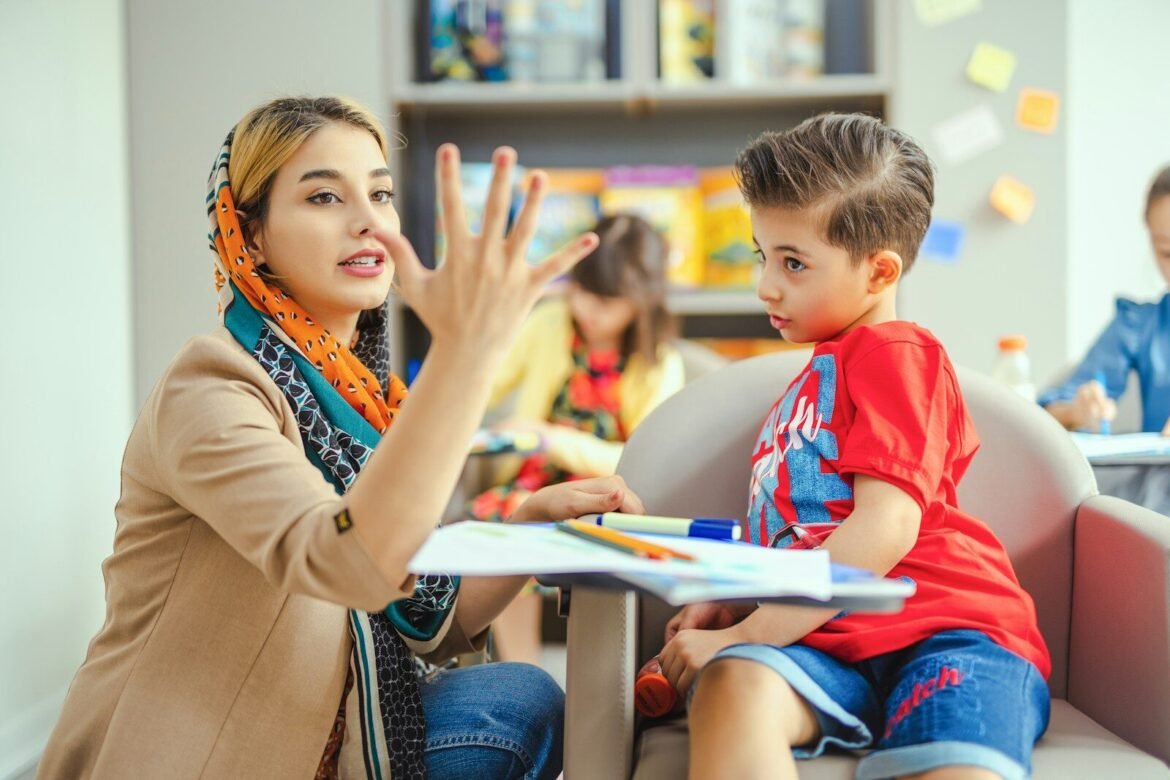
Teacher showing a child numbers with her fingers
K-12K-12 TeachersStudentsOp-EdSocial-Emotional LearningMonthly Topic

Teaching the Teachers: SEL for K-12 Success

by Stacey Ludwig Johnson February 28, 2023
written by Stacey Ludwig Johnson 4 minutes read

Social Emotional Learning (SEL) has proven to be a critical part of our K-12 classrooms. It empowers students to understand better and identify their emotions, develop empathy, increase self-control, and manage stress. It’s no surprise that the vast majority of teachers continue to agree that students increasingly need social and emotional support now more than ever.

However, according to a July 2020 Houghton Mifflin Harcourt Educator Confidence Report, “seven percent of educators were prepared to address the social and emotional needs of students during the COVID-19 disruption, and only 10 percent reported SEL was incorporated to a very significant or significant degree into distance learning programs.”

While this challenges current teachers and schools, how can teaching colleges best prepare next-generation educators to incorporate SEL into their future classrooms? At Western Governors University’s (WGU) School of Education, we value developing SEL skills with our faculty, students, and aspiring teachers who will need the tools and expertise to focus on SEL with young learners. As our nation’s schools try to refocus their priorities to include a robust SEL practice, here are some ways our School of Education is preparing the teachers of tomorrow:

Implementing SEL Self-Awareness Practices

At WGU, we have developed an SEL skills framework aligned with the CASEL 5 Model as a necessary resource for faculty training tomorrow’s teachers. We intentionally integrate elements of the University of Pennsylvania Positive Psychology Center’s resilience and wellbeing program into our modeling, coaching, and teaching SEL skills to aspiring teachers. One application of this approach is to teach aspiring educators to implement simple self-awareness practices early in the school day. This is a great way to help students start their day feeling connected, respected, and valued.

Hilary Simon, WGU’s Senior Manager for Social Emotional Learning, explains why this is important: “Having brief feelings check-in at the beginning of every school day provides insight about the class’s readiness. At the same time, it builds students’ emotional awareness, paving the way for students to do their best for the rest of the day. That’s a win for everyone involved.”

Using SEL to Promote Self-Management

Self-management skills are critical for getting things done and taking control of our lives. Aspiring teachers must recognize the importance of young learners taking time to reflect and regulate if they are challenged or troubled. For K-12 students, this means that it’s vital that their teachers employ strategies that promote self-management. Integrating reflective practices such as journaling and conflict resolution processes within behavior management routines empower students to recognize their thoughts, solve problems and take productive action.

WGU recognizes that our faculty must successfully navigate their challenges and best meet our student’s social and emotional needs. We teach faculty how to catch themselves when stuck in the negative talk – to challenge themselves and make course corrections. Faculty members model, coach, and teach those same strategies to their students to overcome difficult situations that they might encounter.

Prompt Social Skills for Collaboration

Social awareness involves the ability to understand and empathize with others, particularly with people from different backgrounds than one’s own. When it comes to situations involving collaboration and teamwork for K-12 students, building positive relationships, especially with diverse individuals and groups, involves various methods such as active listening, communication, resisting pressure, and seeking out and offering help.

“These are all critical skills students will need when working in collaborative working groups,” said Simon. “Teachers can prompt students to use the skills before a group activity, recognize when students are using them during the activity, and invite students to reflect on opportunities for growth afterward.” Despite a remote environment, WGU faculty and students engage in the ongoing development of their social skills as well – for example, faculty participate in professional learning communities, and students attend virtual study halls.

In Conclusion

SEL is lifelong learning. At WGU, we’re honoring this notion by being a founding partner in an emerging national Coalition for Healthy Learning with other institutions that are also passionate about the positive impact of SEL. When teaching colleges intentionally engage in social and emotional skill development, we are better equipped to transfer those skills to our young learners. By anticipating skills for success and developing them through instruction and repeated practice, we set everyone up for success. Teaching is very much a rewarding profession. With effective SEL tools and strategies, aspiring educators will carve out a better and brighter path for their students in the classroom – and beyond.

February 28, 2023 0 comments
0 FacebookTwitterPinterestLinkedinWhatsappCopy LinkEmail
Five people are having a discussion in an office. Four sit at a table with laptops and notebooks, while one stands by a corkboard covered with sticky notes, engaging the group.
EducatorsK-12K-12 TeachersedLeadersAdministrators

Embracing Vigor over Rigor: Cultivating Agile Classrooms for Inspired Learning

by Jessica Cavallaro February 26, 2023
written by Jessica Cavallaro 5 minutes read

 In today’s fast-paced educational landscape, the pursuit of academic excellence often leads to the adoption of rigid and repetitive teaching methods. These traditional approaches emphasize rigor, characterized by a heavy focus on academic content and the relentless completion of repetitive tasks. While rigor aims to prepare students for academic success, it often comes at the cost of their enthusiasm and curiosity. In contrast, a classroom environment that emphasizes vigor fosters a “learning energy” that is infectious, deepening students’ understanding and fueling their passion for learning.

Repetitive Work vs. Engaging Exploration

     Rigor is often synonymous with repetitive work that demands adherence to strict schedules, standardized tests, and academic content without room for exploration or creativity. In some educational circles it is the norm to brag about the rigor of their courses and the work required for students to pass. While routine can be useful in developing discipline and organization, excessive repetition can lead to student burnout and diminish the joy of learning. Rigor tends to refer to a more “drill and kill” philosophy of education that is not meeting our current students where they are. 

     On the other hand, vigor embraces engaging exploration and inquiry-based learning. Vigor means that students are provided opportunities to “play” with their knowledge, apply it in unique ways and deepen their understanding of facts in different contexts. Agile classrooms focus on encouraging students to question, explore, and discover knowledge independently. This approach kindles curiosity and allows students to connect with their interests, making learning a dynamic and exciting process.

Compliance vs. Critical Thinking

     Rigor often revolves around compliance, with teachers setting rigid rules and guidelines that leave little room for divergent thinking. Students may feel pressured to conform to predefined methods without fully understanding the underlying concepts. These classrooms are often set up where the students are passive in their learning and the teacher controls the flow of information. These classrooms tend to encourage one way of thinking and learning with established “right” answers. 

     Vigor, however, prioritizes critical thinking skills. Agile classrooms emphasize problem-solving and independent thinking, encouraging students to question assumptions, analyze information, and develop innovative solutions. As a result, students become active participants in their education, developing a deeper understanding of the subject matter. One of the main ways Agile classrooms promote vigorous learning is through the use of Wide Open Questions. These are questions that launch a unit, immediately engaging students because there is not one “right” answer and students have an opportunity to find their own solutions. The use of Wide Open Questions grab students attention because they are not “google-able”, but they also allow students to personalize their learning. Students can answer the WOQ however they would like, as long as they use content to support their ideas. This process of searching for and finding unique answers promotes understanding of content and overall vigor in the classroom. 

Constrained Learning vs. Growth Mindset

Rigor tends to create a fixed mindset, where students feel judged solely by their grades and struggle to see the value in making mistakes. The fear of failure can lead to a decline in curiosity and motivation, hindering the development of a growth mindset.

Vigor fosters an agile mindset, encouraging students to view challenges as opportunities for growth. Agile classrooms celebrate effort and perseverance, promoting a positive learning environment that embraces mistakes as essential steps towards progress. This cultivates resilience and a passion for learning, enabling students to explore new subjects fearlessly. In Agile classrooms students are tasked with solving  a complex Wide Open Question. In teams they propose solutions as they work through the content, often having to reflect and change course when new information comes to light. This teaches students, not only the content, but how to pivot when new information comes to light, and adapt to changing circumstances. The vigor of an Agile classroom develops from the students actively working with content and having daily opportunities to apply it. 

Embracing Agility in Education

     To cultivate vigor in the classroom, many educators have embraced Agile methodologies, originally developed in the software development industry. An Agile classroom emphasizes adaptability, flexibility, and student-centered learning. By utilizing Agile principles such as iterative development, continuous feedback, and collaborative teamwork, educators create an environment that supports curiosity, creativity, and exploration.

     Agile methodologies enable educators to tailor the learning experience to the unique needs and interests of each student. By introducing shorter cycles of learning activities and providing regular opportunities for reflection and adjustment, Agile classrooms empower students to take ownership of their education. The iterative nature of Agile learning allows for the discovery of multiple approaches to problem-solving, encouraging students to embrace failure as an essential part of the learning process. This fosters a rigorous learning experience where students develop resilience, adaptability, and a growth mindset, vital qualities for success in the 21st-century world.

    The adoption of Agile methodologies and the infusion of vigor into the classroom offer numerous benefits for students. First and foremost, Agile classrooms create an environment where students feel motivated, engaged, and inspired to learn. The emphasis on collaboration and teamwork cultivates essential social and communication skills, preparing students for future challenges in the professional world. Furthermore, the focus on continuous improvement and adaptability ensures that students develop a lifelong love for learning and remain adaptable in an ever-changing society.

     In the pursuit of effective education, it is crucial to shift the paradigm from rigor to vigor. Rigor, with its repetitive tasks and narrow focus on academic achievement, often leaves students exhausted and devoid of curiosity. Embracing vigor, on the other hand, creates an atmosphere of energy, enthusiasm, and deepened understanding. By adopting Agile methodologies, educators can transform their classrooms into vibrant learning ecosystems, fostering curiosity, creativity, and a genuine passion for knowledge. Let us reimagine education with a commitment to vigor, nurturing agile classrooms that empower students to become lifelong learners, capable of navigating the complexities of the world with confidence and happiness.

Related reading

  • Agile for a Future-Ready Education System
  • Agile For Learning- Part 2: Challenge Days
February 26, 2023 0 comments
0 FacebookTwitterPinterestLinkedinWhatsappCopy LinkEmail
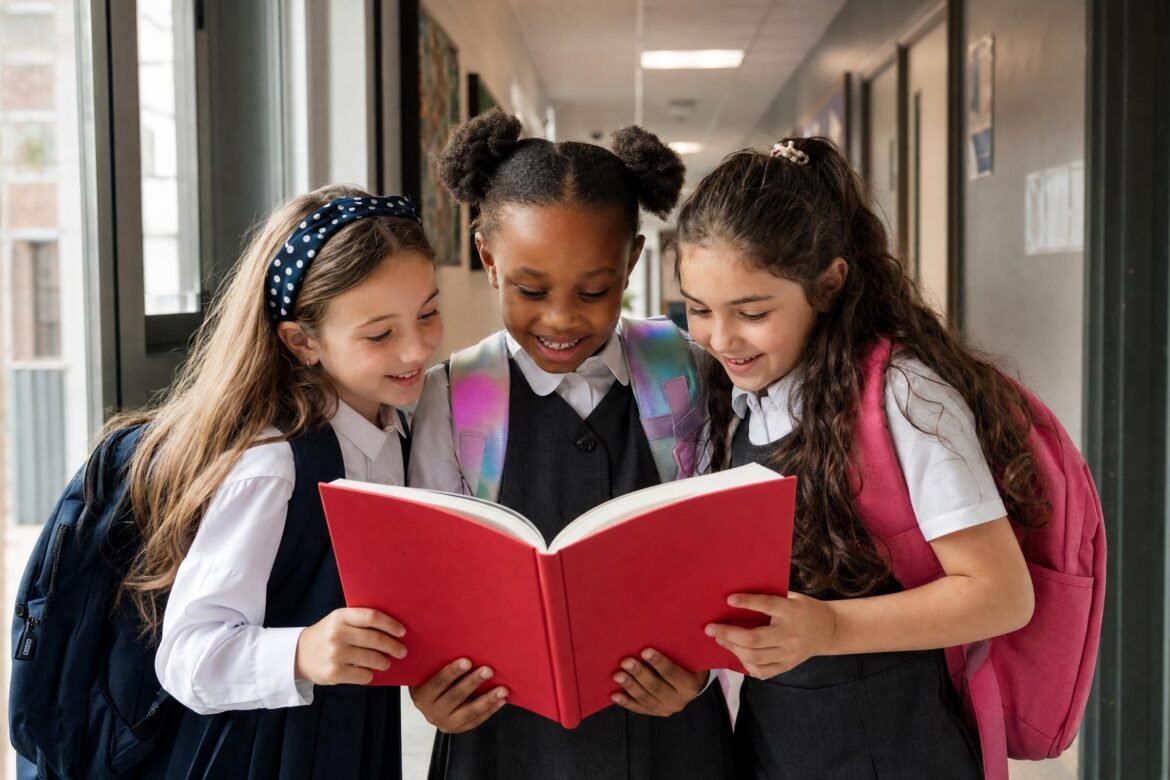
Three schoolgirls with backpacks reading an open red book together in a bright school hallway
Social-Emotional LearningMonthly TopicK-12

Social-Emotional Learning- Feb 2023 Theme

by EdCircuit Staff February 3, 2023
written by EdCircuit Staff 3 minutes read

Social-emotional learning, or SEL, has become a key topic across the K12 education and EdTech communities. As the education system strives to support children to grow academically, many have realized that certain barriers to academic success are tied to students’ social and emotional skills. 

Over the last decade, educators and edtech professionals have explored how to best support students to develop soft skills, emotional capacity, interpersonal skills, and self-management strategies. Much of this support had led to an increase in positive learning outcomes. It is clear that SEL has impacted student achievement and may be the key to solving issues across diverse learning journeys. 

In this article, we will explore a working definition of SEL, it’s impact on student learning, and strategies for implementation. Throughout February, edCircuit contributors will share their perspectives on Social Emotional Learning. 

What is Social-Emotional Learning? 

Social-emotional learning is a broad category for learning activities, programming, and lessons targeting students’ interpersonal and self-awareness. According to the Committee For Children, “People with strong social-emotional skills are better able to cope with everyday challenges and benefit academically, professionally, and socially.  Further, effective problem-solving to self-discipline, from impulse control to emotion management and more, SEL provides a foundation for positive, long-term effects on kids, adults, and communities.” 

Although it may seem intuitive that children build interpersonal and self-awareness skills in school, it is not as cut and dry. Due to factors such as distance learning, many students don’t have the social apparatus they once had.  The temporary loss of social interaction had many educators pushing for SEL implementation across the curriculum. 

Five Core Competencies

Furthermore, built-in SEL learning can aid students’ development of the five core competencies.  These core competencies are a framework for student’s ability to maneuver social and emotional moments. As explored in this recent article by National University, the five core competencies of SEL are: 

  • Self-awareness: the ability to realize the impact of your actions on others
  • Self-management: the ability to regulate and account for your actions, thoughts, and emotions. 
  • Social awareness: the ability to think empathetically about the people you interact with and act in accordance with your impact on the other people in your environment. 
  • Relationship skills: capability to maintain relationships through effective communication
  • Making responsible decisions: capacity to react positively and appropriately to disparate challenges. 

Undeniably, the growth of these competencies supports students in achieving academic excellence and personal growth. 

Applicability of Social-Emotional Learning 

Social-emotional learning can positively impact many challenges students face in their day-to-day lives and educational journeys. One major impact of SEL is the positive effects on students’ mental health. 

Students have been under tremendous stress over the past three years. From the sudden change of distance learning to fears and anxieties over the COVID-19 pandemic students need SEL more than ever. Students need tools to learn to regulate, express, and cope with their emotions. As explored by Edutopia, a trauma-informed approach to SEL can help students develop tools for reducing stress and increasing academic performance. 

Although there has been some criticism of SEL, there is a relative consensus that supporting students’ emotional needs can improve their learning outcomes.  If you are looking for resources on implementing an SEL strategy, below are a few edCircuit resources that can help you understand and implement SEL in your home, classroom, or boardroom. 

  • GUIDE TO 5 EVIDENCE-BASED PARENTING STRATEGIES 
  • HOW GENDER STEREOTYPES HURT CREATIVITY  
  • ACTIVITIES FOR CONNECTING WITH KIDS OVER THE HOLIDAYS
  • WHY A GROWTH MINDSET FOR CREATIVITY IS ESSENTIAL
  • ELIMINATE LOST POTENTIAL BY TEACHING MOTIVATION

Related: 5 Keys To Academic Excellence – Jan 2023 Theme

Lastly, make sure to stay connected and join the conversation surrounding Social-Emotional Learning by subscribing to edCircuit. If you have thoughts on SEL, apply to become an edCircuit contributor to share your voice with our community.

February 3, 2023 0 comments
0 FacebookTwitterPinterestLinkedinWhatsappCopy LinkEmail
A woman with short hair sleeps on a table in a quiet library, resting
EducatorsK-12

COVID get through the Day…. what to do.

by Tamara Fyke February 3, 2022
written by Tamara Fyke 2 minutes read

Let’s be real.  At this point in the school year, we are all tired.  Even though we have dealt with the disruptions of never-ending COVID and severe weather, we are weary of the daily routine.  Students know what buttons to push with each other and with us.  Our colleagues are worn out.  The administration is already planning for the next school year.  We feel stuck in the middle, wondering if we will ever find our way out. COVID get through the Day

Take heart, dear ones.  You are not alone in this liminal space. 

This is when we must keep stepping…right foot, left foot.  As we do, we discover what we are truly made of.  My hope for you is:

Courage – standing up for what is right; facing your fears, Perseverance – sticking to it; not giving up, and Creativity – thinking of new ideas; dreaming of what can be.

When we feel trapped by circumstances, it is easy to become disheartened.  However, we must intentionally remind ourselves that this too shall pass.  Let us reframe the situation, and ask ourselves, “What do I most treasure about these young ones I am teaching?”  This is Courage in action.

Lao Tzu, a 6th century Chinese philosopher said, “Watch your thoughts, they become your words; watch your words, they become your actions; watch your actions, they become your habits; watch your habits, they become your character; watch your character, it becomes your destiny.”

As we plan for meaningful interactions with our students, including time for academic instruction and relationship building, we are choosing Perseverance. 

We will not simply bide our time.  We will make the most of each moment. 

Our commitment to maximizing our time and effort requires Creativity.  Now is when we can tap into innovative methods and stimulating projects.  What about challenging students to transform a historical period into an RPG (role-playing game)?  Or assigning them the task of assembling the soundtrack for a novel?

During this transitional period, let us remind ourselves that our students are astute.  They will mirror our enthusiasm for teaching and learning, not only now but in the future when faced with the inevitable lulls of work and family life.  May we exemplify that the best way to deal with hard times is to push through. 

Tips for Pushing Through the Day

For you

  1. Daily walks outside. – Get fit and be inspired by nature.
  2. – Write out your frustrations. Then write about your plan to tackle them.
  3. Fun times. – Bundle up and gather outside for a bonfire.

For your students

  1. Play games. – Spelling bees, math reviews, or even Heads-Up-7Up are fun ways to build a sense of family in the classroom.
  2. Outdoor learning. – Use the atrium or playground as your classroom for regular subjects. Or maybe it’s time to start a community garden.
  3. Movie review. – Comparative analysis of books and movies can help increase engagement. Take it a step further, by exploring cinematic techniques and inviting students to create their own movie trailers.
February 3, 2022 0 comments
0 FacebookTwitterPinterestLinkedinWhatsappCopy LinkEmail
Family cuddling on a couch watching a holiday movie, connecting with kids over the holidays
ParentsSocial-Emotional LearningK-12

SEL Activities for Connecting with Kids Over the Holidays

by Tamara Fyke December 20, 2021
written by Tamara Fyke 2 minutes read

I love Christmas and Christmas movies. When my kids were little, we would spend weekends cuddling up on the couch, enjoying family and films. Tim Allen’s Santa Clause movies, the classic cartoon, The Grinch Who Stole Christmas, The Year Without A Santa Claus with Heat Miser, and Cold Miser and It’s A Wonderful Life are some of our favorites. One of the lines from Polar Express hit home. The Conductor said, “Sometimes seeing is believing, and sometimes believing is seeing.”  Let’s examine SEL Activities for Connecting with Kids Over the Holidays.

I’ve spent the last twenty-five years of my life teaching, writing, speaking, and singing about things that cannot be seen. Courage and standing up for what is right do not come in a cereal box at the grocery store. I can’t take a vitamin for honesty, speaking, and acting truthfully. Kindness is treating others how I want to be treated, and it’s not machine-washable like my favorite pair of jeans.

But these ideals are real. I have experienced first-hand the power of forgiveness, letting go of anger over a wrong. Respect, valuing myself and others, responsibility, and owning what I do and say have changed my life. These intangibles have made every day more tangible.

As Renee Descartes wrote, “Cogito, ergo sum.” The translation from Latin to English is “I think, therefore I am.” What I think and what I believe shape who I am. So when my son asked me a few years ago if I still believe in Santa, I answered with an emphatic “Yes.” Why, might you ask? Because I believe in a world of giving and receiving. I believe in faith, hope, and love…in a big world.

Here are some tips for enjoying the holidays with your little ones:

1. Bake cookies together. – Give your children a choice between sugar cookies or gingerbread cookies. Have fun mixing ingredients and making a mess. Clean up together.

2. Create gift bags for your neighbors. – Invite your children to decorate small paper bags. Fill each bag with cookies and a hand-crafted note.

3. Read Christmas stories. – Cuddle up on the couch and share your childhood favorites with your kiddos.

Reading suggestions

A Small Miracle by Peter Collington

The Grinch Who Stole Christmas by Dr. Seuss

Gingerbread Baby by Jan Brett

The Snowy Day by Ezra Jack Keats

The Legend of the Candy Cane by Lori Walburg

The Nativity by Julie Vivas

Read more Social Emotional Learning Articles.

Related: Processing and Healing as a Family Over the Holidays

December 20, 2021 1 comment
0 FacebookTwitterPinterestLinkedinWhatsappCopy LinkEmail
Vibrant yellow maple leaves basking in autumn sunlight, showcasing nat
Social-Emotional LearningCreativitySTEM and STEAM EducationK-12

3 Tips to Process Change and Loss

by Tamara Fyke November 16, 2021
written by Tamara Fyke 2 minutes read

Autumn is when the sun crosses the plane of the earth’s equator, making night and day approximately equal length all over the planet. The leaves are falling, the air is more relaxed, and daylight is shorter. The plants and animals are preparing for winter. Before this hibernation time, all of nature celebrates with glorious color and bountiful harvest. Let’s evaluate 3 Tips to Process Change and Loss.

Although change is celebrated, it also causes sadness because it means saying goodbye to what is familiar. All difference is loss. During this change of seasons, we lose sunlight, heat, and blossoms.

The natural world often serves as a sign of what we are experiencing in our minds and hearts. Take a moment to think about what changes you are facing. Perhaps it is a family member’s death, a mid-semester move, or a friend’s divorce. How do you feel about these changes? It’s important to express your thoughts and feelings. Write about them, sing about them, paint them, talk about them – get them out!

As we close in on two years of pandemic life, it is essential that, as caring adults, we take the time to feel what we need to feel. Being emotionally healthy helps us be present for our students and colleagues.

As you process your emotions, you will see that although all change is ‘loss,’ all change brings opportunity. It’s all in how you look at it and your choice about the change. A Belgian naturalist, Charles DuBois (1804-1867) said, “The important thing is this: To be able at any moment to sacrifice what we are for what we could become.” Take a walk outside and look at the changes in the big world around you. Then think about how you can grow through change.

3 Tips to Process Change and Loss:

1. Provide supplies for children to process their emotions as they create. – Paper, crayons, paints, markers, glue, scissors, and old magazines are everyday items that can be used to make something meaningful. If children seem stuck on how to get started, offer a prompt, such as “I am dealing with big changes like ________________, and it makes me feel ___________________.” Suggest that they draw, write, paint, or collage their response to this prompt.

2. Structure a sharing time. – This may be one-on-one with you at your desk or as a whole group. Determine this based on the strength of relationships in the class as well as the confidence level of the students. Sharing personal loss stories can make people feel incredibly vulnerable.

3. Make referrals. – When the sharing time uncovers deep needs, alert your school counselor and other service providers so the students and their families can receive the necessary support.

Read more Social Emotional Articles.

November 16, 2021 0 comments
0 FacebookTwitterPinterestLinkedinWhatsappCopy LinkEmail
Newer Posts
Older Posts

Participate

  • Contribute
  • Sponsor
  • Submit Release
  • Subscribe
  • Get Interviewed

We value your privacy

We use cookies to enhance your browsing experience, serve personalized ads or content, and analyze our traffic. By clicking "Accept All", you consent to our use of cookies.

Customize
  • Needed for the site to work: signing in, the cart, your consent choice. Always on.

    8 cookies
    • ss_consent 1 yearYour cookie choice on this site, so you are not asked again.
    • wordpress_logged_in_* 2 days, or 14 days with "remember me"Keeps you signed in as you move between pages.
    • wordpress_sec_* 2 days, or 14 days with "remember me"The secure half of your sign-in.
    • wordpress_test_cookie SessionChecks that your browser accepts cookies when you sign in.
    • wp-settings-* 1 yearYour display settings when signed in.
    • wp_woocommerce_session_* 2 daysYour shopping session: the cart and the checkout.
    • woocommerce_cart_hash SessionTells the site whether your cart has changed.
    • woocommerce_items_in_cart SessionWhether your cart holds anything.
  • Remembers choices you make, such as a language or a region, and supports features like live chat.

    1 cookie
    • woocommerce_recently_viewed SessionThe products you looked at, so the site can show them again.
  • Helps us understand how visitors use the site: which pages are read, and for how long.

    2 cookies
    • _ga 2 yearsGoogle Analytics: tells one visitor from another. Set only after you allow analytics.
    • _ga_* 2 yearsGoogle Analytics: keeps your session state. Set only after you allow analytics.
  • Measures how fast pages load so we can make them faster.

  • Used to show you content and offers that match your interests, on this site and elsewhere.

    1 cookie
    • sbjs_* SessionWooCommerce order attribution: where you came from, so a purchase can be credited to the campaign or site that sent you.

Your browser asks us not to sell or share your information (Global Privacy Control), so advertising cookies stay off.

Do not sell or share my personal information

Some cookies from other companies help show you offers on other sites. Tick the box and save your preference to opt out of that sharing; untick it to opt back in at any time.

Your browser sends Global Privacy Control, so this preference is set for you and cannot be changed here.

Sign In

Keep me signed in until I sign out

Forgot your password?

Password Recovery

A new password will be emailed to you.

Have received a new password? Login here

Shopping Cart

Close

No products in the cart.

Close
-
00:00
00:00

Queue

Update Required Flash plugin
-
00:00
00:00

Your cart (items: 0)

Products in cart

Product Details Total
Subtotal $0.00
Shipping and discounts calculated at checkout.
View cart
Go to checkout

Your shopping cart is empty

Return to shop

Notifications