

Are We Doing Enough To Educate The Adolescent Mind?
ASCD author Thomas Armstrong discusses the adolescent brain and why middle and high school teaching should address both emotion and reasoning.


Dr. Thomas Armstrong, ASCD author of The Power of the Adolescent Brain: Strategies for Teaching Middle and High School Students, as well as, numerous other publications, sat down to discuss the intersection of education with mental health and the effects of teaching methods on the adolescent brain. Dr. Armstrong stresses the need for a better-balanced approach to education that concentrates on both the emotional brain and the reasoning mind.
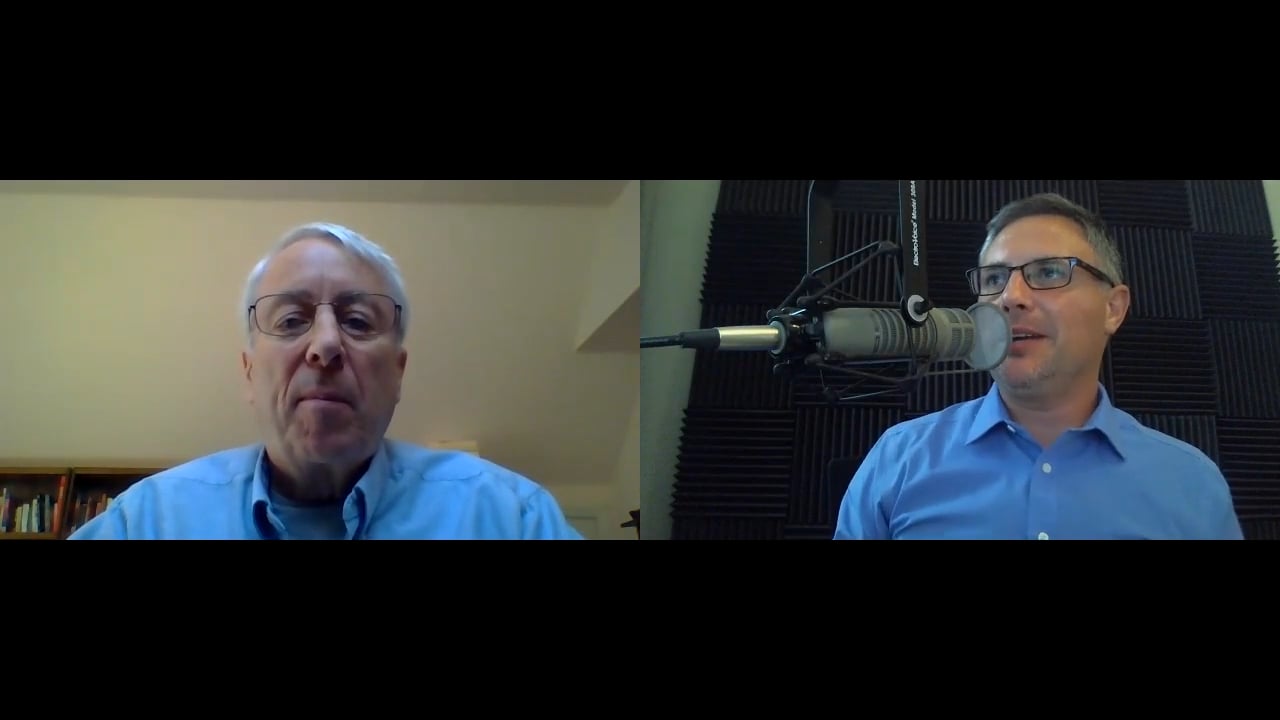
Are we doing enough to educate the adolescent mind? Dr. Thomas Armstrong, author of The Power of the Adolescent Brain, argues that schools need a better-balanced approach, one that teaches to both the emotional brain and the reasoning mind. In this video interview, he discusses where education meets mental health and how teaching methods affect the adolescent brain.
Who Is Dr. Thomas Armstrong?
Dr. Thomas Armstrong is an ASCD author. His books include The Power of the Adolescent Brain: Strategies for Teaching Middle and High School Students, along with numerous other publications.
In this interview, he sat down to discuss the intersection of education with mental health and the effects of teaching methods on the adolescent brain.
The Power of the Adolescent Brain by Thomas Armstrong
As its subtitle says, The Power of the Adolescent Brain offers strategies for teaching middle and high school students. It is written for the educators who work with young people during the teenage years, when the way students learn and feel is changing.
The Power of the Adolescent Brain: Strategies for Teaching Middle and High School Students
Balancing the Emotional Brain and the Reasoning Mind
Dr. Armstrong stresses the need for a better-balanced approach to education, one that concentrates on both the emotional brain and the reasoning mind. In practice, that means a classroom where academic reasoning is not taught apart from how students feel, and where mental health is part of the conversation about learning rather than a separate topic.
For teachers and parents, the question in the title is a useful one to ask about any middle or high school: does the school day give adolescents room to think carefully and also to make sense of their emotions?
Ways Teachers Can Teach to the Whole Adolescent
Teachers looking for a starting point can try classroom habits that engage both feeling and reasoning. These are widely used approaches, offered here as general ideas rather than as the book’s own strategies:
- Build relationships first. Teenagers learn more readily from adults they trust. Greeting students, learning their interests, and checking in privately all help.
- Connect lessons to what students care about. Real-world problems, current events, and student questions give reasoning a personal reason.
- Offer real choices. Letting students choose topics, partners, or ways to show learning builds responsibility and independence.
- Make time for reflection. Short journal prompts or exit questions help students notice how they think and feel about their work.
- Teach students to name and manage emotions. Simple routines for calming down, asking for help, and working through disagreement support both learning and mental health.
- Know when to refer. Teachers are not counselors. When a student seems to be struggling, connect them with the school’s counselor or mental health staff.
Watch the Interview
Watch the full conversation with Dr. Armstrong in the video at the top of this page, and find his book and other titles through ASCD publications.
Related reading
More on Social-Emotional Learning