
 Ian Egan
(Don’t Lose Any Sleep Over It.)
By Robert Harris
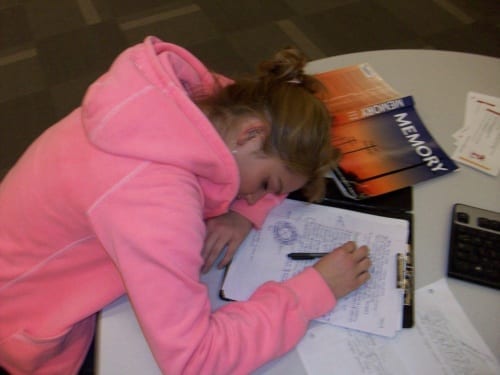
So, if adolescents are most active and alert between the hours of 8:00 p.m. and midnight, that’s the time they should be doing their homework. Wrong! Today, homework is the new taboo in education because it causes students too much stress and, according to educational researchers, has a limited return on investment in time. To solve this problem educators have gotten very creative. Now, kids do homework in school and school work at home. They call this the ‘flipped-classroom.’ It is amazing that it has taken educators so long to figure out they have gotten it backwards for so many years. Needless to say, let’s be thankful that, for now, in the 21st century they have finally gotten it right. In addition to the movement to push back the start of the school day for adolescents, there is a yet another movement to eliminate homework. Imagine the adolescent, who is too alert and active to fall asleep between 8:00 p.m. and midnight now also being stressed-out because he has too much homework to do.

In many European cultures the siesta or midday break is commonplace – but not in our culture. Instituting a midday break in our high schools would be simple and can be delivered at no cost. Here’s how it would work. When the clock strikes 1:00 p.m., all students in academic classrooms place their heads on their desks and take a 15-minute snooze (night shades are optional). This may pose a slight inconvenience for those students who are in science labs and physical education classes at that hour. However, if a high school is on a rotating schedule it will likely work four out of five days per week. And as nice little throwback to the past, the nap time could also be preceded or followed by a healthy snack to promote student wellness. A nap, a gluten-free power-bar and off students go to their next class. There is also one other extrinsic benefit worth mentioning. A midday siesta promotes diversity. Students will now have the opportunity to experience daily life in a Mediterranean culture first-hand from the convenience of their own desktops. For those well-resourced school districts, VR glasses can be made available for students who would like to combine their siesta break with a virtual tour of the Mediterranean. Starting in Barcelona they head south to the Amalfi Coast in 15 minutes or less. No worries, students won’t experience any jet-lag.
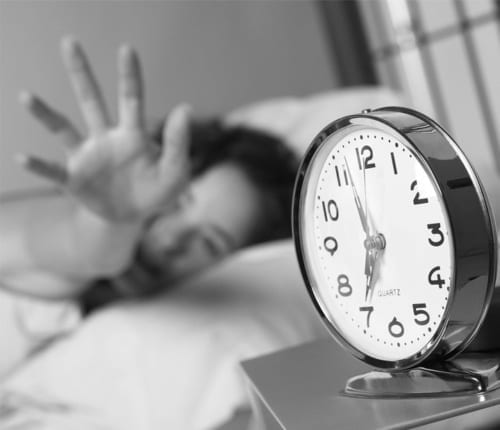
Given the limited capacity school leaders and policy-makers have for innovation, it will likely take years for them to figure this one out. Until then – don’t lose any sleep over it.
Author
About Bob Harris
With 37 years working in k-12 public education, including 10 years in the role of Assistant Superintendent for Human Resource in the Lexington Public Schools (Lexington, MA), and a combined 27 years as Coordinator of Fine and Performing Arts, music educator, union president and labor negotiator, Bob Harris is now devoting his time to his passion as a writer and founder of Edudexterity. Bob earned his master’s degree in music from Michigan State University and his bachelor’s degree from Berklee College of Music in Boston.
Further Reading
- Mainline Media News – Parents, students ask Radnor Township School Board to start schools at 8:30 a.m.
- Honolulu Civil Beat – A Later Start Time May Be Helping This School’s Students Succeed
- Windsor Star – Public school board survey finds too many sleep-deprived high school students