edcircuit
CoSN 2027 logo with citrus fruit elements on a blue and orange background promoting the April conference in Orlando.
Promotional banner with a book cover on the left titled 'Purposeful Technology, Powerful Learning: You Can't Ban Possibility' and a blue text panel on the right reading '13 districts. Real classrooms. Documented stories of technology used with intention. Learn More: stayh... com' with the CoSN logo at the bottom.
Home Higher Education Helping Students Thrive in College Life and Beyond
3 minutes read

Helping Students Thrive in College Life and Beyond

Drew University's Robert Massa discusses how college faculty and administrators mentor students toward a successful and sustainable life.

Developing student growth for a successful and sustainable life
Listen to this article (6 minutes 20 seconds)Listen to this article6 min 20 s · read by a computer voice

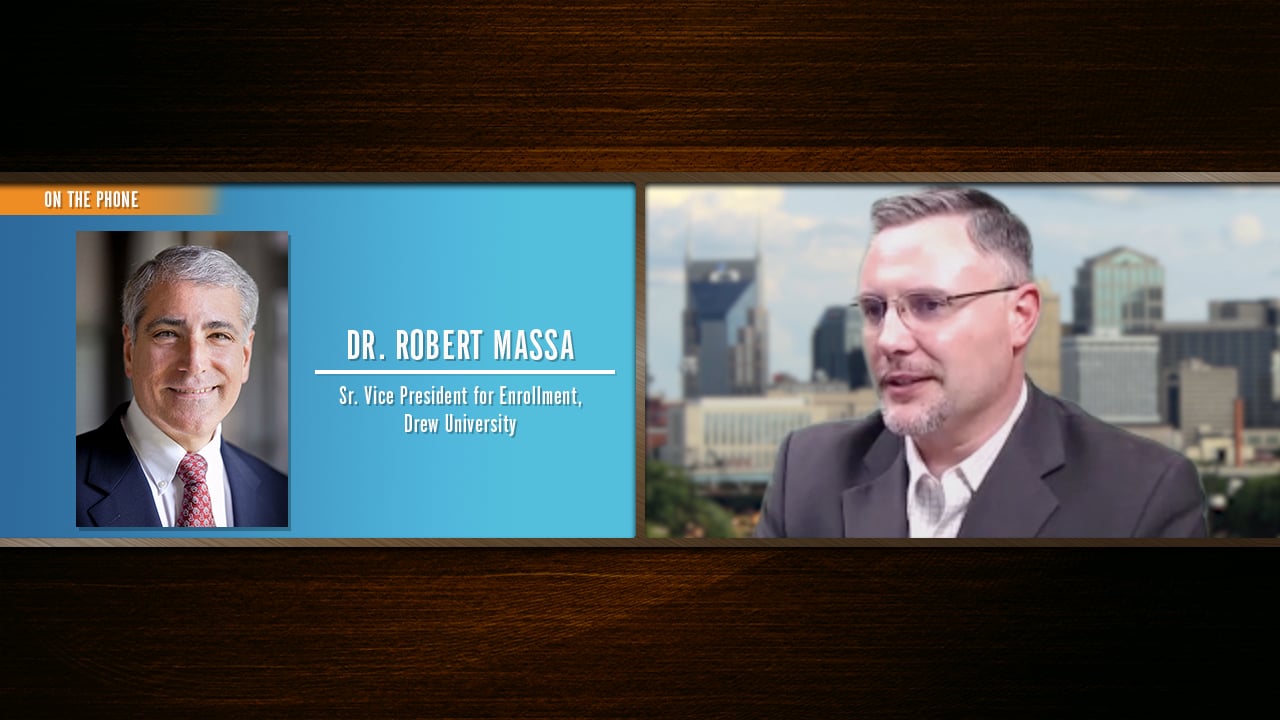
CoffeED: Robert Massa16 min 20 sedCircuit on Vimeo

Guiding college students toward a successful and sustainable life A large red brick building with tall white columns black shutters and a grand staircase leading to the main entrance surrounded by trees and greenery under a partly cloudy sky

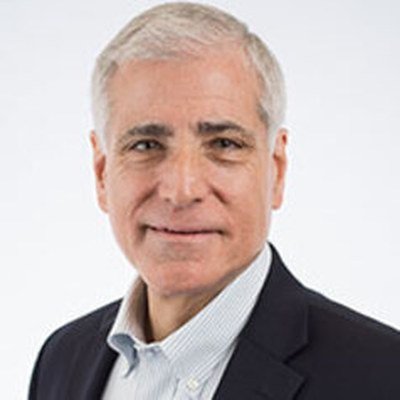
Dr. Robert Massa is the Senior Vice President for Enrollment and Institutional Planning at Drew University in Madison, New Jersey. Through this role, he is responsible for admissions, financial aid, athletics, career planning and institutional research. Recruitment of the best and the brightest plays a large part in driving his position and the success of the university as a whole.

There is a great deal of competition between colleges and universities across the country and Dr. Massa realizes the work it entails. As he states, “Our goal is not just to admit a freshman class, it’s to admit a class that’s going to graduate.”

Peter Kraft and Evolution Labs help Dr. Massa with his enrollment management, and Kraft notes how savvy Drew University has been with the “cradle to the grave” approach of supporting their students. Drew uses Evolution Labs’ S360 platform to help reach a variety of goals for engaging and recruiting new students. “Sometimes just buying them a cup of coffee and listening makes all the difference in the world,” Dr. Massa says.

Throughout the forty plus years that Dr. Massa has been involved in higher education, he has seen the roles of admissions officers, administrators and professors evolve. “The role of the faculty member in an undergraduate program is not only teaching in a classroom, but it’s really mentoring students and helping them to find their way,” he says.

A red pushpin is placed on a textured surface featuring the printed word class in bold black letters with other partially visible words in the background“We’re there to help young people mature into adulthood, help them learn how to make their own decisions,” he says. “To grow and develop in ways that are necessary to have a successful and sustainable life.”

Dr. Massa starts by doing everything he can to assure a student’s success by using the right criterion for admission. Sometimes colleges admit students who are not the right fit academically, motivationally or as Dr. Massa says, who lack “grit.” He believes enrollment management is relationship management. It’s not all data-driven with logistical regression models. “We use some tools to help us maximize our yield on students who are admitted,” Dr. Massa explains. “But what we’re trying to do is to build and sustain those relationships.”

Blue coffee cup brown tableA robust advising and counseling system helps support student needs once on campus. Dr. Massa directs his admissions staff to check in on undergraduates from time to time throughout their school year – reaching out as far as their junior and senior terms. Mentors remain critical in helping students cope with the extraordinary pressures of university and higher education.

“A lot of the best learning occurs in applying what you’ve learned whether it’s in the classroom or online to a real-world situation,” explains Dr. Massa. “Having a mentor take you through that is critical.” It’s the university’s responsibility, according to Dr. Massa, to help students stay in school and be successful both in academics and in future life pursuits.

This article was originally published in the Huffington Post Further Reading

  1. Huffington Post – Using Technology to Support Students’ Emotional Needs
  2. The 74 – Mentoring Program Posts 81% College Persistence Rate With Focus on In-Person Coaching, Affordability, New Study Finds
  3. Huffington Post – Creating Safe Digital Spaces for Learners to Explore Social-Emotional Topics

More on Higher Education

  • : Author
    Senior Vice President for Enrollment and Institutional Planning, Drew University

    Robert Massa is the Senior Vice President for Enrollment and Institutional Planning at Drew University in Madison, New Jersey.

    View all posts
Promotional banner with a book cover on the left titled 'Purposeful Technology, Powerful Learning: You Can't Ban Possibility' and a blue text panel on the right reading '13 districts. Real classrooms. Documented stories of technology used with intention. Learn More: stayh... com' with the CoSN logo at the bottom.

Join Thousands of Other Subscribers

This field is for validation purposes and should be left unchanged.

Participate in the COmmunity

Promotional banner for Safer Ed: The School Safety Podcast, with students walking in a school hallway and a prominent Listen Now button.
Science Safety - Safer Labs, Safer STEM, Safer CTE, Safer Arts, Safer Cyber

Use EdCircuit as a Resource

Would you like to use an EdCircuit article as a resource. We encourage you to link back directly to the url of the article and give EdCircuit or the Author credit.

MORE FROM EDCIRCUIT