An Innovative Collaboration to Power Up Professional Growth
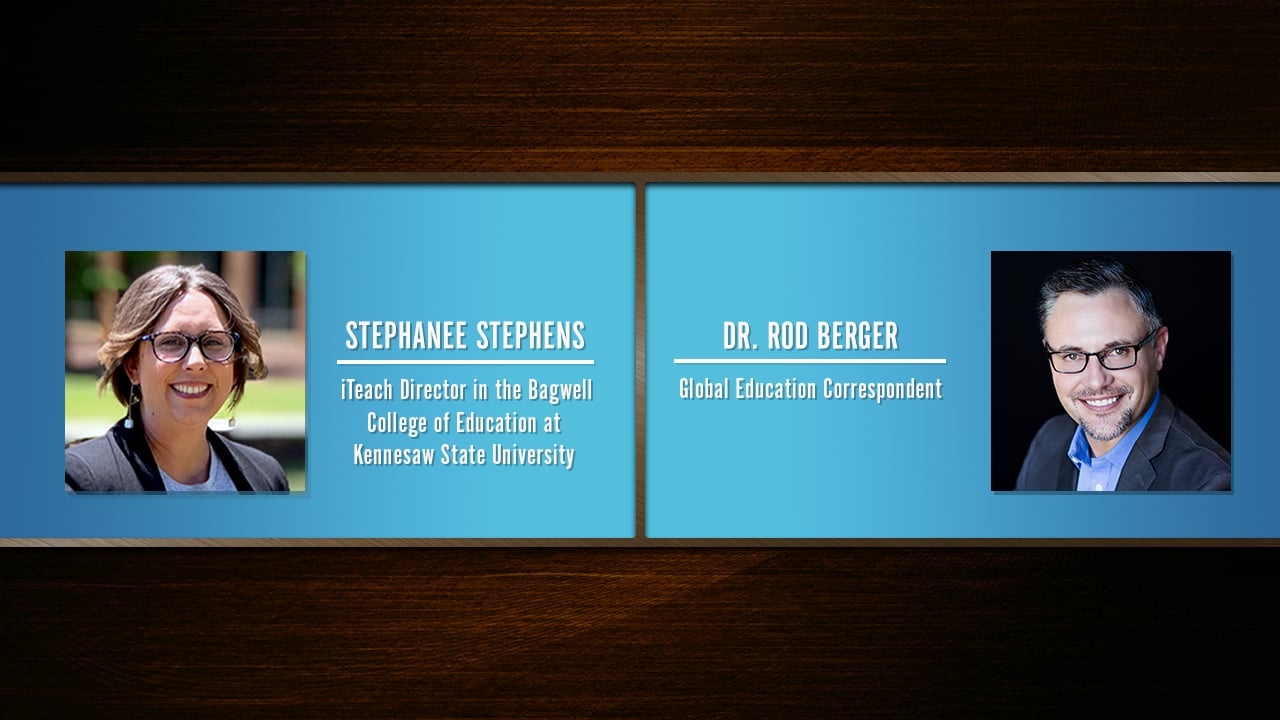
iTeach director Stephanee Stephens discusses personalized learning and the coaching certification her Kennesaw State team built with FETC.


In this episode, Stephanee Stephens discusses her passion for personalized learning and the potential it holds in the field of education.
Stephanee Stephens is the Director of iTeach, a team of educational coaches who are part of the Bagwell College of Education at Kennesaw State University in Georgia. She and her team have partnered with LRP Media Group and the Future of Education Technology Conference (FETC). Together, they created the FETC Coaching Collaborative Powered by iTeach and are working with the next generation of education technology professionals to support transformative leadership in the edtech ecosystem.
Finding the Right Training Partner
Although technology is pervasive, frequently those with the most knowledge haven’t received the training to help others grow in their own abilities. Stephens and her team were looking for a partner willing to explore that space, and they found that FETC was thinking in the same way.
“We piloted and spoke to conference attendees last year and helped inform them that we were going to build by the people who would support and make an impact. As an educator, leader, developer, and designer, those are all the things that you want to be able to create in a partnership. FETC and LRP have just been phenomenal to work with.”
A Professional Learning Tool
Stephens recognizes that there are many people doing technology work without identified roles, job descriptions, and titles. Classroom teachers are evolving in their use of education technology and innovative teaching but need additional support. As Stephens points out, “When you collect those together, you have a whole group of people who are under-supported. I believe this [iTeach] model is the marker for what professional learning will look like for all, no matter what your role is moving forward.”
By latching onto a microlearning, micro-goal philosophy, and leveraging research-based approaches to motivation, Stephens is excited about providing a professional learning experience that she describes as both “holistic and year-round.”
The Importance of Feedback
The development of the training started through discussions with Dr. Robert Avossa and other senior staff at LRP to prioritize the feedback collected with people who had attended the conference. Stephens and her team asked attendees, “What are the explicit things you need to develop for yourself within this role?” Then they went back to research and apply the information to already embedded professional learning knowledge.
As a result, four modules were created on several topics relative to coaching and edtech. Stephens wanted the learning to have a certain freedom that was “bite-sized, manageable, and personalized in nature.” She promoted space for a type of training that would create individualized evidence of mastery.
Stephens is excited about the future of the FETC partnership and how their work together will evolve. As she explains, “It’s very iterative and responsive by design. It’s not going to be just four modules and a conference that sit on the Internet forever. It is all backported by my deep bench of coaches who want experiences with the people who are in it.”
Subscribe to edCircuit to stay up to date on all of our shows, podcasts, news, and thought leadership articles.
Related reading
More on Professional Development