Students Using Social Media to Become Online Influencers
The edition looks at students aiming to become online influencers, flexible seating in early grades and Teacher of the Year finalist Megan Gross.

The February 2, 2017 InformED Report looked at students who aspire to be online influencers, flexible seating in early grades, and Teacher of the Year finalist Megan Gross.
The InformED Report for February 2, 2017 looked at students using social media to become online influencers, and at how colleges and universities were adapting. The edition also covered the spread of flexible seating in early grade classrooms and featured Megan Gross, a Poway special education teacher named one of four finalists for National Teacher of the Year.
Taken together, the stories described classrooms changing in two directions at once: in how young children sit and work during the day, and in what older students hope to do with the media skills they bring to school.
In this edition
- Teachers such as first-grade teacher Sheremy Haas of Harvey Dunn Elementary School replaced rows of desks with flexible seating so young students can move while they learn.
- Syracuse University professor Corey Takahashi told NPR that many of his students now aspire to be online influencers rather than writers or filmmakers.
- Northern State University opened Twitter conversations with President Timothy Downs to engage students and the community.
- Poway special education teacher Megan Gross was named one of four finalists for National Teacher of the Year.
Flexible seating in early grade classrooms
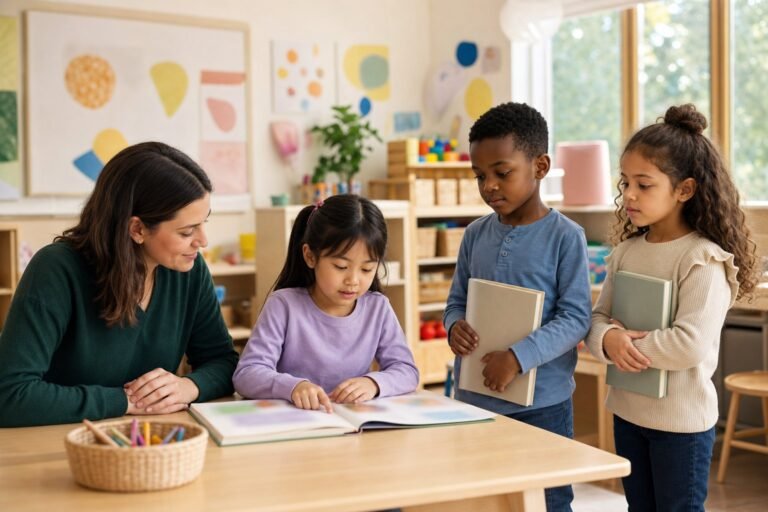
Many early grade teachers were moving away from rows of desks and chairs. The Argus Leader reported on Sheremy Haas, a first-grade teacher at Harvey Dunn Elementary School, whose students choose where they sit. Some use cushions on the floor, while others sit on yoga balls or wobble chairs, which tip gently from side to side. Her colleague, second-grade teacher Kelly Allen, described the purpose as helping students find ways to wiggle while they work.
Teachers who adopted flexible seating reported that their students were more engaged. The evidence at the time came mainly from teacher observation rather than controlled studies, so principals considering the approach would do well to treat it as a classroom management choice to be tested, with attention to cost, durability and the needs of students who work best at a traditional desk.
Students using social media to become online influencers
Corey Takahashi, who teaches multimedia storytelling at Syracuse University, told NPR about a change he was seeing in his students. His classes were once filled with students who hoped to become writers and filmmakers. Now many wanted to become online influencers. Takahashi said that teaching these students had been as much a learning experience for him as for them, since they often arrived knowing platforms and audiences better than their instructors.
Institutions were also using social media to reach students directly. KSFY reported that Northern State University in South Dakota opened its Twitter account so that anyone could put questions to the new university president, Timothy Downs. The exchange went well enough that the university hoped to bring the president and other staff back for more. Justin Fraase, the university’s new director of marketing and communications, said the aim was to engage with students in as many ways as possible, including social media. For high school and college leaders, both stories pointed to the same need: students who build an online audience also need instruction in judgment, credibility and the responsibilities that come with being widely read.
InformED Report spotlight: Megan Gross, National Teacher of the Year finalist
The San Diego Union-Tribune reported that Megan Gross, a special education teacher in Poway, California, was one of four finalists for National Teacher of the Year. Gross had spent nine years teaching special education. In her classroom, students are encouraged to be brave and to feel a sense of belonging.
The honor could make Gross an ambassador for the profession and an advocate for welcoming students with developmental disabilities into mainstream classes. Gross said she was shocked but thrilled by the news and saw the award as an opportunity. Her selection drew national attention to inclusive practice at a time when many districts were expanding it.
Further reading from that week
- Big Think: Is Social Media Leading to Tired Students?
- The New York Times: Generation X More Addicted to Social Media Than Millennials, Report Finds
- The Washington Post: It takes more than social media to make a social movement
Sources
- Megan Raposa, “Flexible seating helps students wiggle while they work,” Argus Leader, January 2, 2017.
- Corey Takahashi, “Using Social Media, Students Aspire To Become ‘Influencers’,” NPR, January 7, 2017.
- Kayleigh Schmidt, “Area university using social media for students, community to interact with president,” KSFY, January 10, 2017.
- Deborah Sullivan Brennan, “Poway special ed teacher up for national award,” The San Diego Union-Tribune, January 9, 2017.
About the InformED Report
The InformED Report is edCircuit’s short news program on education. This edition first ran on February 2, 2017. In 2026, edCircuit re-presented it with a new anchor and this full written account. Both report the stories as they stood on that date and link the original reporting, so readers can see exactly where each claim came from.
Subscribe to edCircuit to stay up to date on all of our shows, podcasts, news, and thought leadership articles.
Related reading
More on K-12