Why College Admissions Rep Visits Still Matter
A short meeting can expand access, strengthen relationships and help admissions officers understand the students behind the applications.


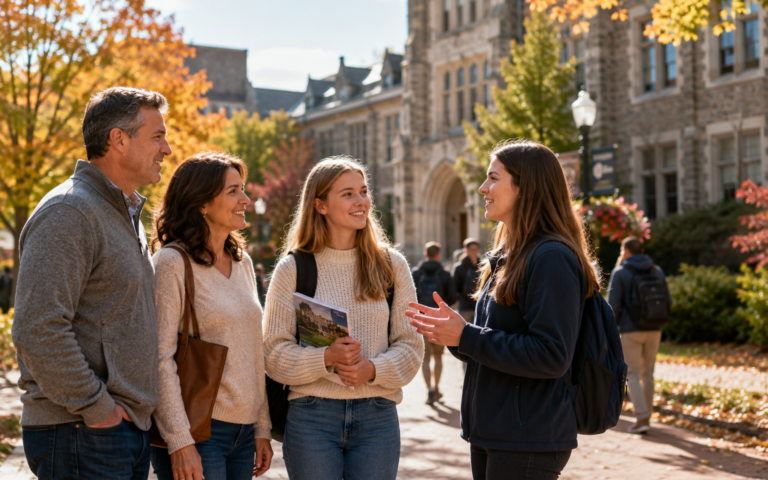
College admissions rep visits give high schools a valuable opportunity to connect their students directly with the people representing colleges and universities across the country.
During the busy fall recruitment season, admissions representatives may visit several high schools in a single day. They arrive carrying information about academic programs, campus life, financial aid, housing and application deadlines. They answer questions, collect contact information and meet students who may soon submit applications.
On the surface, it can look like a simple information session.
For a well-prepared school, however, that short visit can become much more. It can introduce students to colleges they had not considered, give counselors a chance to provide important context about their school and help an admissions representative connect a name, interest and personality with an application that may arrive a few weeks later.
Why Colleges Make the Trip
Admissions representatives do not travel from school to school simply to distribute brochures.
Colleges use high school visits to maintain relationships with schools that regularly send applicants, enter new recruitment areas and reach students who may be a strong fit for particular programs. They are looking for students who can succeed at their institutions, but they are also trying to help those students understand what their colleges offer.
Rachel Korn, a former University of Pennsylvania admissions officer, explains that representatives may visit four or five high schools in a day. Afterward, they often record attendance, document their impressions and make recommendations that can influence future recruitment plans. Many representatives also continue working with the school counselor and may eventually help review applications from that geographic area. Varsity Tutors
That makes the visit a two-way conversation.
The college is presenting itself to students, but the high school also has an opportunity to present its community to the college.
Access Without the Cost of Travel
One of the clearest benefits of a high school visit is access.
Not every student can travel to multiple college campuses. Families may face transportation challenges, work obligations or travel expenses that make traditional campus visits difficult. Some students may not yet see college as a realistic option and are unlikely to schedule a visit on their own.
When an admissions representative comes to the high school, that barrier becomes smaller.
Students can learn about a college during the school day, sometimes in a group of only a few people. They can ask about majors, scholarships, campus culture and admission requirements without paying for gas, airfare or a hotel.
For a student who has never stepped onto a college campus, a 30-minute conversation can make college feel more immediate and attainable. The representative is no longer an unfamiliar name at the bottom of an email. The institution begins to feel like a real place filled with people who are willing to answer questions.
A high school visit does not replace the experience of touring a college. Walking through residence halls, classrooms and student spaces can help students judge whether a campus feels right in ways that websites and brochures cannot. Nations Classroom Tours But the school-based visit can be an important first step, especially for students who are still building a college list or deciding whether a longer trip is worthwhile.
A Chance to Match Students With the Right Opportunities
Schools should not limit college representative visits to seniors who have already decided where they want to apply.
Counselors often know which students have interests that align with a visiting institution. A college with a respected engineering program may be a strong match for students in robotics or advanced mathematics. A liberal arts college may appeal to students interested in writing, public service or interdisciplinary study. A university with specialized health sciences, arts or agricultural programs may offer opportunities students did not know existed.
That knowledge allows the counseling office to make thoughtful connections.
Instead of sending a general announcement and hoping students attend, counselors can personally invite students whose academic interests, career goals or preferred campus environment make the college worth exploring.
The purpose is not to steer students toward a predetermined choice. It is to help them discover possibilities that might otherwise remain outside their search.
Younger students can benefit as well. A junior who attends without the pressure of an approaching application deadline may be more willing to ask basic questions and begin thinking about what matters in a college. Even sophomores can learn how high school courses, activities and experiences connect with future opportunities.
Let the Representative See the School Behind the Transcript
A college application contains grades, courses, activities and written responses. It cannot always capture the full environment in which those accomplishments occurred.
A visiting representative can gain a better understanding of the school’s academic offerings, student population, signature programs and community. A counselor might briefly explain a specialized STEM pathway, a career-technical program, a strong performing arts tradition or the limited number of advanced courses available because of scheduling or staffing constraints.
That context matters.
Korn notes that visiting a student’s high school can give an admissions officer a deeper understanding of the community behind an application. A representative who has seen the school and spoken with its counselor may be better prepared to explain that environment during later admissions conversations. Varsity Tutors
Schools should not turn the visit into a sales presentation. A representative does not need an hour-long list of awards or a carefully staged tour. A short, honest introduction to the school is more useful.
What makes the student body distinctive? Which programs are especially strong? What challenges do students navigate? Where have graduates found success?
A few minutes of meaningful context can help the admissions representative understand the information that will eventually appear on transcripts, school profiles and counselor recommendations.
Putting a Person With an Application
Students sometimes hear that meeting a representative will “put a face with the application.” That can happen, particularly when the visiting representative is responsible for recruiting and reading applications from the school’s region.
Still, the meeting should not be treated as an audition.
An admissions officer may remember a thoughtful conversation, a student’s academic interest or a strong follow-up question. That familiarity can provide a point of reference when an application arrives. It does not replace academic performance, course rigor, writing, recommendations or the other factors a college considers.
The most productive goal is connection, not performance.
Students do not need to arrive with a résumé or deliver a rehearsed speech. They should introduce themselves, listen carefully and ask one or two questions that matter to them.
A student interested in nursing might ask when clinical experiences begin. Someone considering engineering could ask how easily undergraduates become involved in research. A student who will need financial assistance might ask about institutional aid, merit scholarships or support for first-generation students.
Those questions help students collect useful information while giving representatives a more natural understanding of their interests.
What About Demonstrated Interest?
Attending a high school visit may count as demonstrated interest, but students and families should be careful not to overstate its importance.
Colleges do not all evaluate interest in the same way. Some track attendance at school visits, campus tours, virtual sessions and other admissions events. Others do not consider those interactions when reviewing an application.
The Common Data Set, a standardized questionnaire completed by many colleges, specifically asks institutions to rate the importance of an applicant’s level of interest. The available responses range from “very important” to “not considered,” illustrating why students should check the practices of each institution rather than assume one rule applies everywhere. Common Data Set Initiative
A student should not skip an important exam, laboratory experience or required class simply to have their name appear on an attendance list. If a conflict prevents attendance, the student can contact the representative afterward, express interest and ask any remaining questions.
The visit is an opportunity, not an admissions test.
How Schools Can Make the Visit More Valuable
The quality of the experience depends partly on what the school does before the representative arrives.
Counselors can begin by sharing the schedule early through several channels. A notice in the counseling portal may not reach every student, so schools can also use announcements, newsletters, classroom messages and direct invitations.
Before the visit, students should receive a short introduction to the college. They do not need to become experts, but they should know its location, general size, academic focus and a few programs that may interest them. That basic preparation allows the conversation to move beyond questions that can be answered with a quick website search.
The school can also provide the representative with a current school profile and a concise overview of its students and programs. When time permits, student ambassadors or peer leaders can offer a brief look at the school from their perspective.
During the session, the focus should remain on students. The representative can describe the institution, but enough time should be protected for questions and conversation.
Afterward, counselors can share the representative’s contact information with attendees and encourage students with genuine interest to send a short thank-you message. Schools can also ask students what they learned and whether the visit changed their perception of the college.
That feedback can help the counseling office decide which institutions to invite again and which students may benefit from future visits.
A Small Window With Lasting Value
A college admissions representative may only be in the building for a single class period. The value of the visit, however, can extend well beyond those few minutes.
A student may discover a program that fits an interest they have been developing for years. Another may ask a financial aid question they were uncomfortable raising in a large college fair. A counselor may establish a relationship with the person who will later help families navigate the application process. The representative may leave with a more accurate picture of the school and the students it serves.
None of those outcomes guarantees admission, nor should they.
The real value is the opportunity to make the college search more personal, informed and accessible. When schools prepare students, create thoughtful matches and use the visit to share an honest picture of their community, a routine recruitment stop can become a meaningful part of the college-planning process.
Sometimes a short conversation is all it takes for a distant college to feel possible—and for a student’s future application to feel connected to a real person, a real school and a story worth understanding.
Subscribe to edCircuit to stay up to date on all of our shows, podcasts, news, and thought leadership articles.
Related reading
More on College Admissions