
In this 2017 CoffeED interview, Katie Salen of Connected Camps explains how Minecraft and connected learning led to online camps where children code, design and build together. The section below, written in 2026, checks what Connected Camps offers now and what parents should ask about Minecraft coding camps.
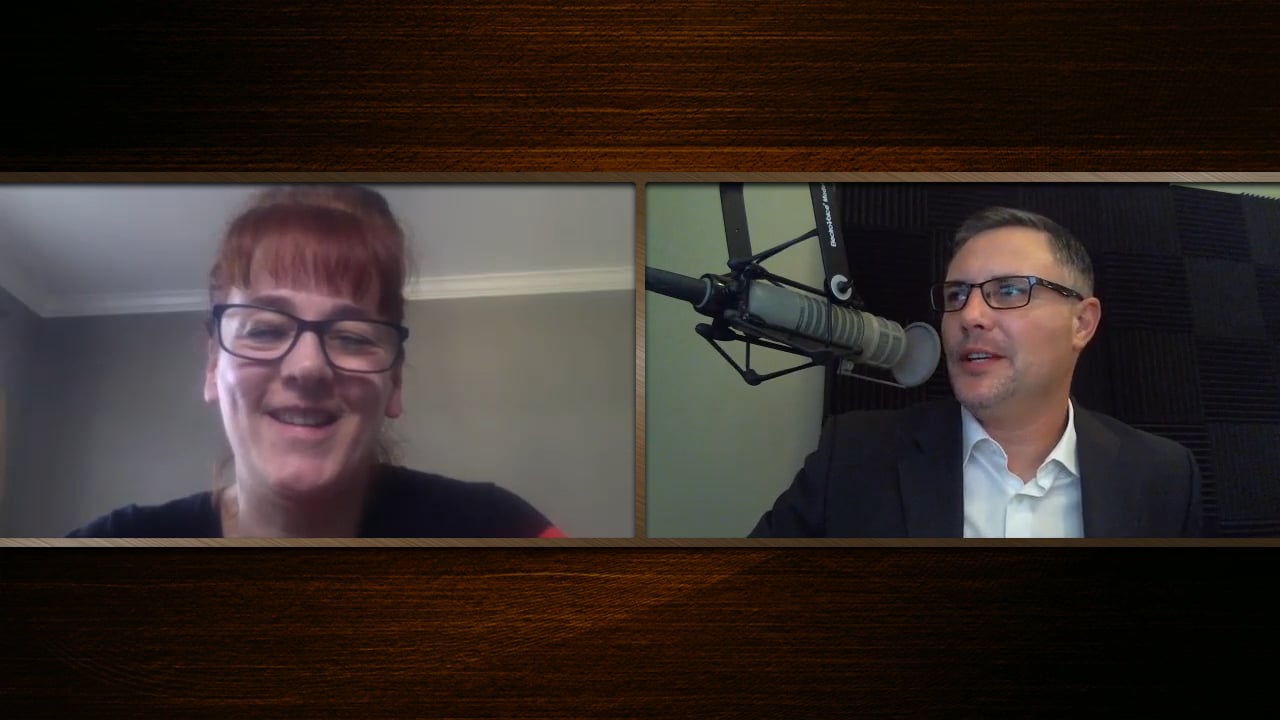
A discussion with Katie Salen of Connected Camps
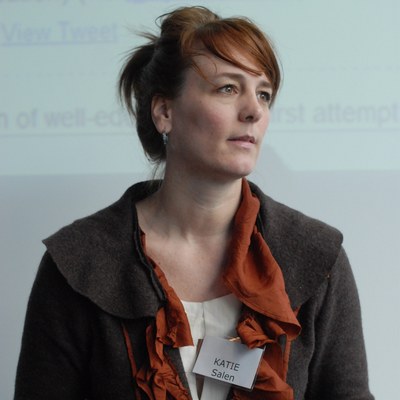
I caught up with Katie Salen, Co-Founder and Chief Designer for Connected Camps to discuss how students of all ages are becoming engaged in learning through gaming. Salen mentions how Mimi Ito, Co-Founder, and CEO, Tara Tiger Brown and herself came together after several years of collaborating in connected learning. One of the ideas shared in connected learning is technology can amplify the collaborative learning process while increasing students’ peer and cross generational socialization.
An online connected learning platform and coaching experiment known as “Pursuitary” became the brainchild of what is now Connected Camps. The platform revealed that children were heavily drawn to Minecraft as a game environment and this massively popular online network of collaboration might meld nicely with connected learning.
Connected Camps was launched with the idea of meeting kids where they had interest and engaging them in coding, architecture and collaborative project building. In addition to being an online community-driven company, Connected Camps is a California B Corp company that has a social mission of being open and equitable for all kids.
About Katie Salen, Co-Founder and Chief Designer

- KQED News – How Online Camps Help Kids Stay Connected to STEM Skills and Mentors Year-Round
- Connected Camps Newsletter – How to Get Your Daughters into Tech by Embracing Who They Really Are
- edCircuit – Gamifying English Language Arts
Minecraft coding camps in 2026: what Connected Camps offers now and what to ask before enrolling
Parents who search for Minecraft coding camps often find programs that mix play, building and some programming, and the mix varies a great deal. As Katie Salen describes above, Connected Camps began from the idea of meeting children where their interests already are, with Minecraft as a place to collaborate on projects. This section looks at what the company’s own site describes today, since the 2017 interview is almost a decade old.
What the Connected Camps site shows today
The Connected Camps home page, which carries a 2026 copyright notice and current promotions, describes live online clubs run for small groups by what it calls expert online mentors. The clubs named are a Survival Club and a Builder’s Club in Minecraft and a Roblox Gaming Club. The page also describes a free, moderated Minecraft server called Kid Club, which a press excerpt on the page says is designed for children aged 8 to 13. The Minecraft clubs are listed as working on tablets, phones, Chromebooks, Nintendo Switch, Xbox and PlayStation, so a computer is not required. The site presents the benefits as problem-solving, teamwork, planning and community.
Two points are worth stating plainly. First, the current home page does not list coding classes, and it mentions coding only in older press excerpts that describe classes in Minecraft and Roblox design and coding. A family looking specifically for programming should ask what the club teaches before signing up. Second, a company home page describes its own program, and this review cannot confirm results for children.
The ideas behind the 2017 interview
The interview write-up above describes Connected Camps as growing out of an online connected learning platform and coaching experiment called Pursuitary, which showed that children were drawn to Minecraft. It describes the aim as meeting children where their interest already is and engaging them in coding, architecture and collaborative project building. It also summarizes the connected learning view that technology can amplify collaborative learning while increasing peer and cross-generational socializing. Those ideas give parents a way to judge any camp today: does the program pair the game with real collaboration, and does a trained mentor guide the work?
Why children come to these programs
Pew Research Center surveyed U.S. teens aged 13 to 17 in September and October 2023. It found that 85 percent play video games, about four in ten play daily, and 89 percent of players play with others, in person or online. About 47 percent of teen players have made a friend online through a game. Those numbers describe teens, not the younger children Connected Camps serves, but they show why a game can serve as a social setting that a camp builds on. They also show why moderation matters when strangers play together.
Questions to ask any online camp
- What will my child make or learn, and is coding part of the plan or only a possible result?
- Who leads the sessions, how large are the groups, and how are mentors screened and supervised?
- How is chat moderated, and what are the rules for contact outside the sessions?
- What devices are needed, and does the platform require an account the child must create?
- What does it cost, and is there a trial or refund period?
For schools and libraries, the same questions apply to any partnership with an outside program. The interview write-up describes a social mission of being open and equitable for all children, so cost and device access are reasonable things to raise. The Connected Camps page offers a free server, which lowers the barrier for families who cannot pay for clubs.
Families who want to see whether a child enjoys building and programming in a game can begin with a free moderated server or a trial week, then decide whether a paid club adds anything. Parents should review any provider’s rules, check the age guidance, and stay involved in what the child is doing online.
Related reading
More on Gamification and Game-Based Learning