 EdCircuit Staff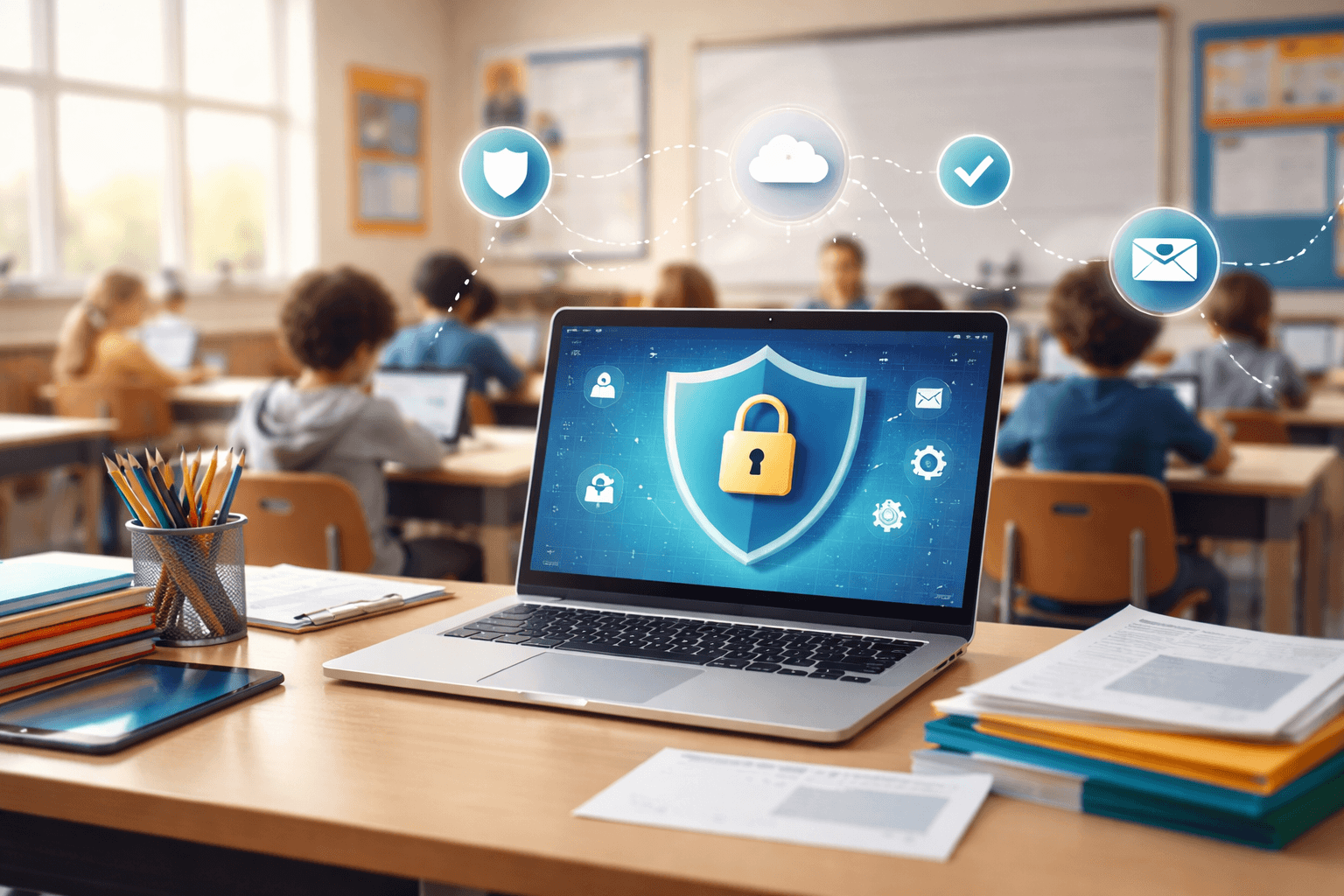
Table of Contents
COPPA in schools is reshaping how educators use technology, protect student data, and build trust with families. As digital tools become essential in classrooms, the responsibility to safeguard student information is immediate, visible, and increasingly enforced.
The Children’s Online Privacy Protection Act (COPPA) was created to protect the personal data of children under 13. In today’s school environment, its influence reaches far beyond that age threshold. It shapes how districts approve technology, how teachers use it, and how families decide whether to trust it.
This is not just compliance. It is accountability in a digital-first education system.
Why COPPA Matters in Education
At its core, COPPA requires organizations collecting data from children under 13 to provide transparency and obtain verifiable parental consent.
In schools, that translates into daily decisions:
What tools are allowed in the classroom
What student data is being collected
Whether that data is used strictly for educational purposes
How vendors store, share, or monetize information
Enforcement is no longer theoretical. Recent FTC actions have targeted major platforms for collecting children’s data without proper consent, resulting in significant financial penalties and mandated changes to how data is handled. Regulators are also signaling stronger expectations around age verification and data minimization.
For schools, the message is clear: it is not enough to assume a tool is safe because it is labeled “educational.” Districts must understand how it actually handles student data.
What COPPA Means for Students and Families
For families, COPPA is about visibility and control.
Parents have the right to:
Know what data is collected from their children
Consent to or decline that collection
Request deletion of that data
In schools, however, consent often works differently. Districts can provide consent on behalf of parents when tools are used strictly for educational purposes.
That shifts responsibility to the institution.
If a school approves a tool, families are trusting that the decision was made carefully. If something goes wrong, that trust is hard to rebuild.
This is why transparency matters. Families are paying closer attention to student data privacy than ever before. Clear communication about what tools are used and why is now part of the job.
Elementary School: Maximum Protection, Minimal Margin for Error
At the elementary level, COPPA is most directly in play. Nearly all students are under 13, which means strict compliance is essential.
Students cannot meaningfully consent. Schools act on their behalf.
That raises the bar.
What this looks like in practice:
District-led approval of every digital tool
Formal review of vendor privacy policies and data practices
Clear documentation of how student data is used and protected
Teachers rely on apps for reading, math, and engagement. But even simple tools can collect names, emails, usage data, or behavioral insights.
Strong practices at this level:
Use only district-approved platforms
Avoid creating independent teacher accounts for student tools
Confirm vendors clearly state COPPA compliance
Notify families about the tools being used and why
At this stage, students are not managing their digital privacy. Adults are making those decisions for them. Mistakes here carry the highest risk.
Middle School: Complexity Increases
Middle school introduces complexity that many systems underestimate.
Some students are under 13. Others are not. Independence increases, but understanding of data privacy often does not.
Key challenges:
Mixed-age classrooms complicate compliance decisions
Students begin creating accounts and managing credentials
More collaboration tools and third-party platforms are introduced
This is where gaps tend to appear. A tool that is acceptable for a 13-year-old may not be compliant for a 12-year-old in the same classroom.
What effective schools do differently:
Set clear rules for account creation based on age
Continue centralized vetting of tools, regardless of student independence
Build digital privacy into digital citizenship instruction
Middle school is the shift point from protection alone to preparation.
Students should begin to understand:
What personal data is
Why is it collected
What risks come with sharing it
Handled well, this stage builds awareness. Handled poorly, it creates unmanaged risk.
High School: Shared Responsibility, Higher Stakes
By high school, most students are over 13, and COPPA’s direct requirements are less central. But the risk environment expands.
Students are using:
Advanced learning platforms
College and career tools
Third-party apps beyond school systems
They are also sharing more personal information, often without fully understanding the long-term impact.
The shift here is clear: responsibility becomes shared.
Schools must enforce strong data governance. Students must learn to make informed decisions.
What strong systems focus on:
Clear district-wide data privacy policies
Vendor accountability backed by formal agreements
Training for both staff and students
Graduating students should understand how their data is collected, used, and protected. That is now part of being prepared for life beyond school.
How Districts and Teachers Stay Compliant
Compliance is not a checklist. It is an operational system.
At the district level:
Maintain a vetted, continuously updated list of approved tools
Require data privacy agreements with all vendors
Assign clear ownership, often a data privacy or technology leader
Conduct regular audits to identify unapproved tools
At the school level:
Enforce consistent use of approved platforms
Support teachers with compliant alternatives
Communicate clearly with families about technology use
At the teacher level:
Use only approved tools, even when convenience is tempting
Avoid “click and agree” sign-ups that bypass review
Be intentional about what student data is entered into any system
One of the most common risks is not misuse. It is an informal adoption. A single unvetted app can expose student data without anyone realizing it.
The Bigger Picture: From Compliance to Leadership
COPPA enforcement is increasing. State-level student data privacy laws are expanding. New expectations around age verification and AI-driven tools are already emerging.
Schools that treat this as a checkbox will fall behind.
Schools that take it seriously will lead.
Leadership in this space looks like:
Transparency in how student data is used
Clear, consistent communication with families
Ongoing education for students about digital privacy
Real accountability for vendors
Student data privacy is no longer a back-office issue. It is central to how schools operate.
Final Thought
Every app, platform, and login in a classroom is a decision about student data.
COPPA sets the legal baseline. Trust sets the real standard.
Schools that act on that difference will not just stay compliant. They will earn lasting trust.
Subscribe to edCircuit to stay up to date on all of our shows, podcasts, news, and thought leadership articles.