
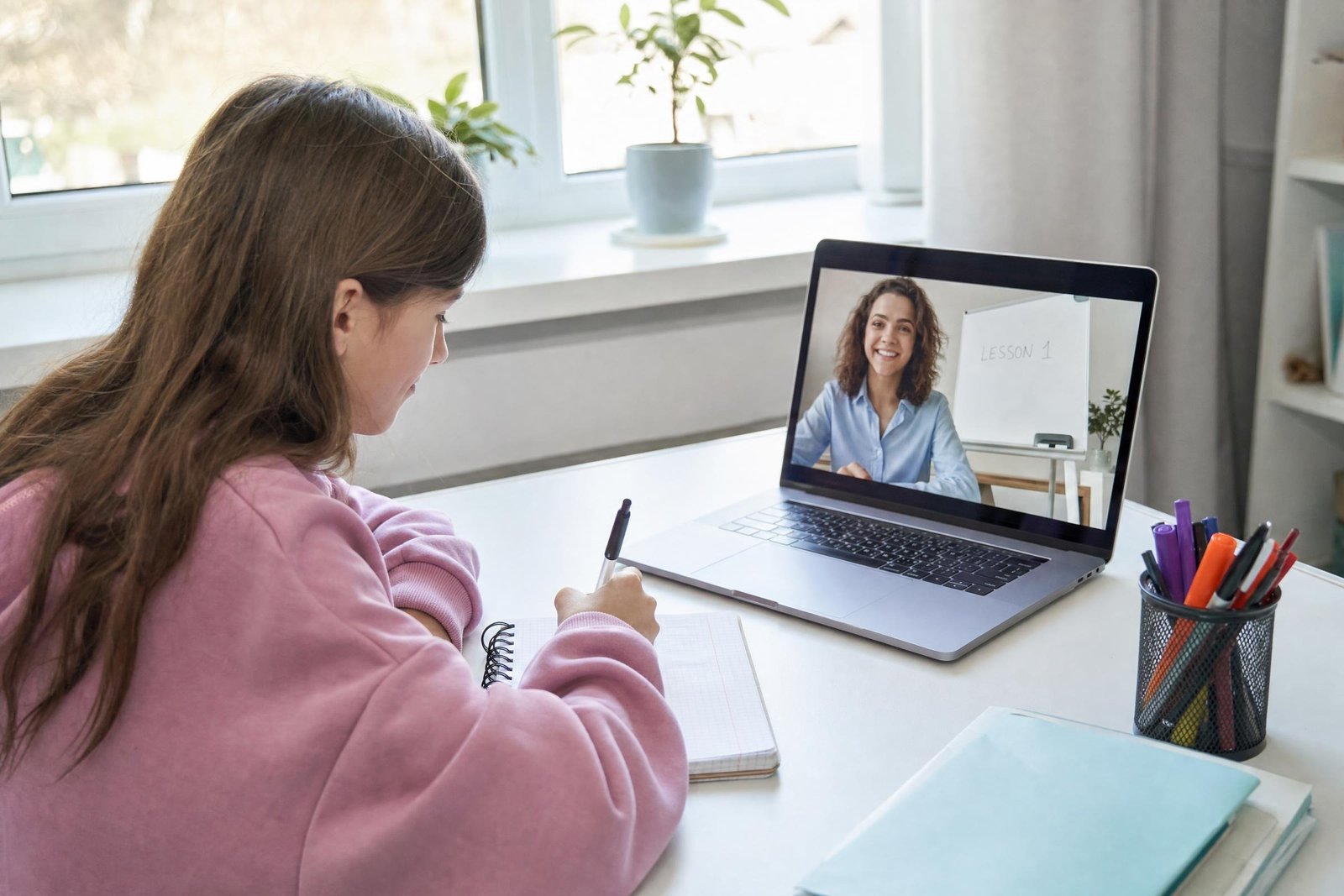
As educators, we are constantly seeking ways to enhance our teaching methods and engage our students in a meaningful way. Blended learning, also known as hybrid learning, is a teaching approach that combines traditional face-to-face instruction with online learning. It has gained popularity in recent years as technology has become more integrated into our daily lives. Blended learning offers a unique opportunity to enhance classroom instruction and create a more dynamic and engaging learning experience for students. In this article, we will explore the benefits of blended learning and how it can improve classroom instruction.
Personalized Learning
One of the key benefits of blended learning is the ability to personalize learning for each student. With online learning, students can work at their own pace and access materials that cater to their individual needs. This allows for a more personalized learning experience, which can lead to better understanding and retention of information.
Flexibility
Blended learning also offers flexibility in terms of time and location. Students can access online materials and complete assignments at their own convenience, which is especially beneficial for those with busy schedules or those who may need to miss class due to illness or other reasons. This flexibility also allows for a more diverse learning opportunities, as students can access resources from different locations and at various times.
Engaging Learning Experience
Incorporating online learning into the classroom can make the learning experience more engaging for students. With a variety of multimedia resources available, teachers can create interactive and visually appealing lessons that capture students’ attention and make learning more enjoyable. This can also help to break up the monotony of traditional classroom instruction and keep students motivated and interested in the subject matter.
Immediate Feedback
Online learning platforms often have built-in assessment tools that provide immediate feedback to students. This allows students to track their progress and identify areas where they may need to focus more attention. It also allows teachers to monitor student progress and provide timely feedback and support.
Differentiated Instruction
Blended learning allows for differentiated instruction, where teachers can provide different learning materials and activities to meet the diverse needs of their students. This can be especially beneficial for students with learning disabilities or those who may need additional support in certain areas. With online resources, teachers can provide a variety of materials and activities that cater to different learning styles and abilities.
Collaboration and Communication
Online learning platforms often have features that allow for collaboration and communication among students. This can enhance the learning experience by promoting teamwork and peer-to-peer learning. It also allows for students to connect with their classmates outside of the classroom, which can help to build a sense of community and support.
Access to a Wide Range of Resources
With blended learning, students have access to a wide range of resources beyond what is available in the classroom. This can include online textbooks, videos, interactive simulations, and more. These resources can provide a deeper understanding of the subject matter and allow students to explore topics in more depth.
Preparation for the Digital World
In today’s digital age, it is essential for students to have strong technology skills. Blended learning allows students to develop these skills by using online learning platforms and tools. This prepares them for the digital world and equips them with the necessary skills for future academic and professional success.
Cost-Effective
Blended learning can also be a cost-effective approach to education. With online resources, schools can save on the cost of textbooks and other materials. It also reduces the need for physical classroom space, which can be a significant expense for schools.
Increased Parental Involvement
With online learning, parents can have a more active role in their child’s education. They can access materials and track their child’s progress, allowing for better communication and involvement in their child’s learning journey.
Preparation for the Future of Education
As technology continues to advance, it is likely that blended learning will become even more prevalent in education. By incorporating it into classroom instruction now, students will be better prepared for the future of education and the ever-evolving digital landscape.
A blended school in practice: Poudre School District Global Academy
In February 2018, Cheryl Fenlason described in edCircuit how Poudre School District Global Academy (PGA) in Colorado moved from a fully virtual school to a blended one. PGA opened in 2009 as a virtual school for students who struggled in a traditional setting, starting with 22 students. In 2014, Cheryl Fenlason wrote, the school moved to a blended model in which students spend three days a week on online courses at home and two days a week at school with their teachers and classmates. Cheryl Fenlason reported that about 60 percent of instruction for kindergarten through grade 8 and 80 percent for high school was online.
On the online days, parents act as learning coaches who access assignments, communicate with teachers and sign off on completed work. To prepare them, PGA offered a Jump Start Week, a half-day onsite orientation, mentoring from experienced learning coach families and an optional monthly learning coach academy for kindergarten through grade 8. On campus, teachers could group students by need, let students who were ahead work on projects, and work with others in small groups or one to one. Students could also work on online courses at school and receive face-to-face mentoring.
Cheryl Fenlason said PGA built the model around six relationships: teacher to teacher, teacher to parent, teacher to student, parent to parent, parent to student and student to student. As of the 2016–2017 school year, Cheryl Fenlason reported record enrollment of 194 students, the facility’s maximum capacity, and standardized test scores above the state average. The school also won two Colorado awards for achievement and academic growth in 2015–2016. These figures are from 2018 and describe the school at that time.
Conclusion
In conclusion, it is evident that blended learning has the potential to greatly enhance classroom instruction. By combining traditional face-to-face teaching methods with online resources and tools, educators can create a dynamic and engaging learning environment for their students. This approach allows for personalized learning, increased collaboration, and the integration of technology into the classroom. Furthermore, blended learning has been shown to improve student outcomes and prepare them for the ever-evolving digital world. As educators, it is our responsibility to embrace this innovative approach and continue to explore ways to effectively incorporate blended learning into our teaching practices. By doing so, we can create the perfect blend of traditional and modern teaching methods, ultimately enhancing the learning experience for our students.
Subscribe to edCircuit to stay up to date on all of our shows, podcasts, news, and thought leadership articles.
Related reading
More on Educators