
The InformED Report for February 22, 2017 looked at how music can improve memory and increase student attention, drawing on a PBS Parents article about music and learning. The edition also covered a crisis in Thailand’s higher education system despite heavy national spending on education, and a Charlotte School of Law professor who raised money for students after they lost federal loan funding.
The stories ranged from a single classroom to a national budget, but each dealt with a practical question for educators: how resources, whether a song, a ministry or a donation, translate into students who learn and stay in school.
In this edition
- Thailand spends around 20 percent of its national budget on education, yet its higher education system was described as facing a crisis.
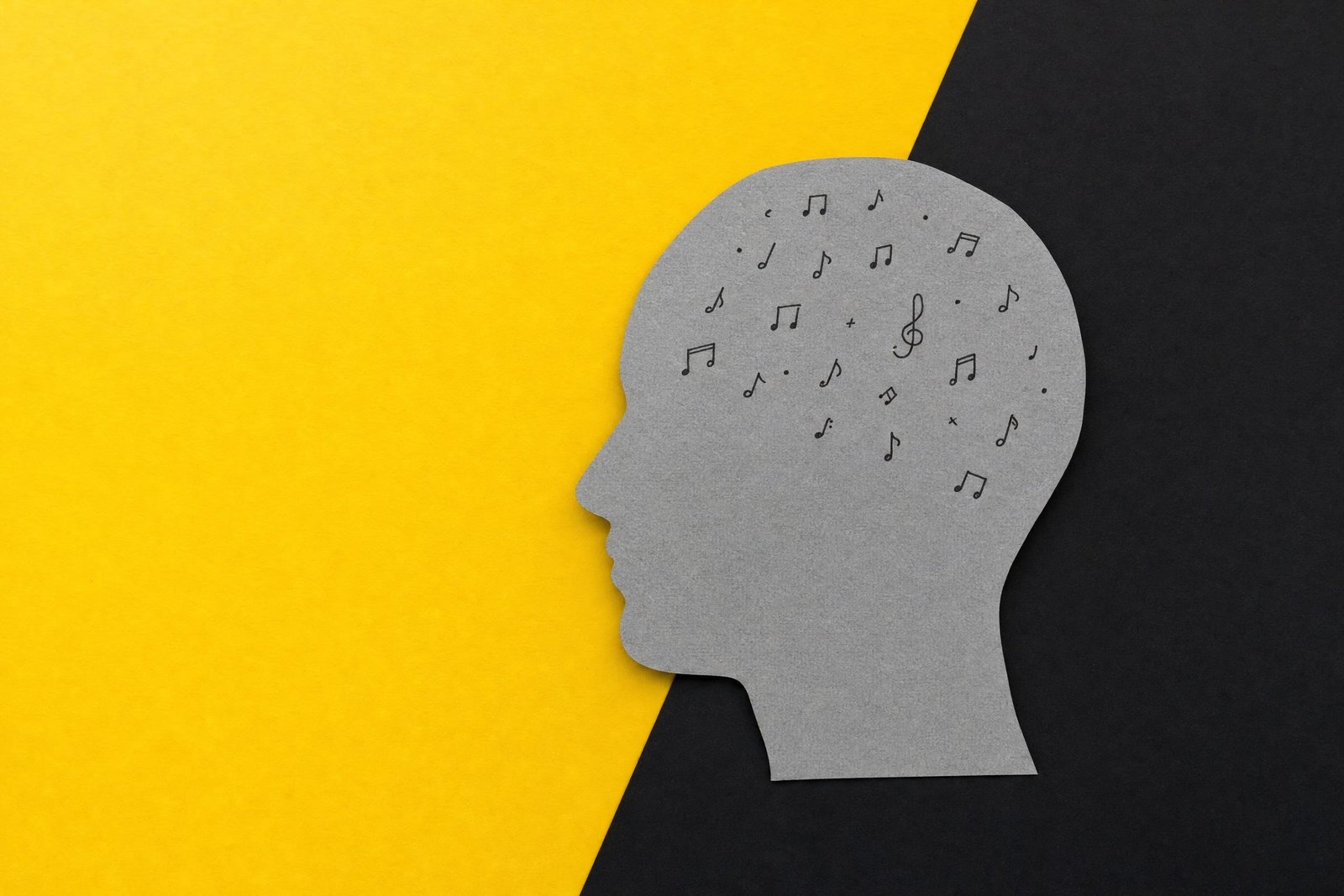
- PBS Parents reported that music of any genre can help students focus, remember information and learn.
- Charlotte School of Law professor Scott Sigman started a GoFundMe page that raised more than $5,000 for students who lost federal loan money.
Thailand’s higher education crisis
Thailand spends around 20 percent of its national budget on education, making it one of the highest spenders in the world. Al Jazeera reported that, despite this investment, the country ranked in the bottom quarter internationally in science and mathematics education, and its universities were not producing graduates ready for the workforce.
Udom Kachintorn, former president of the Council of University Presidents, said the higher education system was facing a crisis. Thailand’s Education Ministry recommended turning the Office of the Higher Education Commission into a full ministry, to be called the Ministry of University Affairs, and Udom was appointed to lead a 15-member committee to oversee the change. He noted that the country was producing more social science graduates than it needed while facing shortages in technology and vocational fields. The case is a reminder for education leaders anywhere that the level of spending does not settle outcomes; how the money is governed and matched to workforce needs matters as much.
Music can improve memory and increase student attention
An article from PBS Parents described the power of music to boost memory and learning. Teachers can use music of any genre to engage different parts of the brain. The article cited research at UC Irvine in which memory test scores of Alzheimer’s patients improved when they listened to classical music, and Chris Brewer, founder of LifeSounds Educational Services, said that students of all ages generally find music helps them focus and puts them in a better mood for learning.
Studies also continued to point to the value of learning to play an instrument. Research on young musicians has found that they develop language abilities earlier and show stronger short-term memory, and Mic reported on research suggesting that musicians may also have better developed long-term memories. Much of this evidence comes from small studies and from populations other than typical classrooms, so it supports music as a useful tool for attention and recall rather than a guaranteed gain in achievement. For school leaders weighing cuts to arts programs, it gives reason to count music instruction among the supports for learning rather than as an extra.
InformED Report spotlight: A law professor helps students after a loss of federal aid
Students at the Charlotte School of Law in North Carolina lost access to federal loan money for the spring semester after the U.S. Department of Education found that the school had made substantial misrepresentations about its compliance with American Bar Association accreditation standards. Many students were left without money for tuition, rent and food.
Scott Sigman, director of the school’s clinical programs, created a GoFundMe page to help students with living costs. The ABA Journal reported that the campaign had raised $5,675 toward a goal of $250,000 by January 30, 2017, and Sigman also set up a food pantry for students at the law school. The school reportedly offered students interest-free $1,000 loans while it continued to seek federal aid on their behalf.
Further reading from that week
- USC News: Children’s brains develop faster with music training
- NPR: From Mozart To Mr. Rogers: Literacy, Music And The Brain
- edCircuit: Is Technology Helping To Make Professional Music Composers In the Classroom?
Sources
- “Inspiring Science: Building Thailand’s Future,” Al Jazeera, January 31, 2017.
- “Thailand: Proposal to upgrade higher education commission to full ministry gains ground,” Study International News, February 2, 2017.
- Cheri Lucas, “Boost Memory and Learning with Music,” PBS Parents (the original page is no longer available).
- Tom Barnes, “Scientists Discovered Something Amazing About Musicians’ Brains,” Mic, November 19, 2014.
- Stephanie Francis Ward, “Charlotte School of Law prof seeks donations to help students with food and rent,” ABA Journal, January 30, 2017.
About the InformED Report
The InformED Report is edCircuit’s short news program on education. This edition first ran on February 22, 2017. In 2026, edCircuit re-presented it with a new anchor and this full written account. Both report the stories as they stood on that date and link the original reporting, so readers can see exactly where each claim came from.
Subscribe to edCircuit to stay up to date on all of our shows, podcasts, news, and thought leadership articles.
More on K-12