Summer Is Back
Simple steps families can take over the break, including staying active outdoors and reading, to help students avoid the summer slide.


Summer learning loss hits math harder than reading, and results vary by student and test. Here is what research shows and what families can do.
In 2017, Frank Milner offered parents and teachers simple summer activities in reading, travel planning, cooking and exercise to limit the “summer slide.” Milner’s article appears below as published. After it, a new section looks at what research since then shows about summer learning loss and how families and schools can respond.
How Students and Parents Can Avoid the Annual “Summer Slide”
by Frank Milner
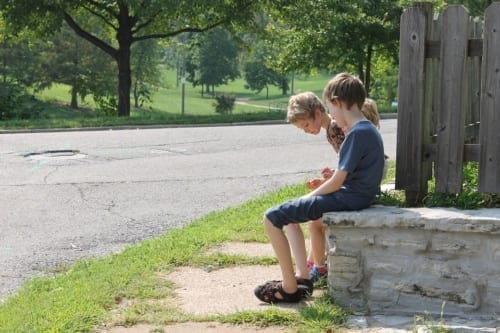
Simply put, the summer slide is the tendency for students to lose some of the achievement gains they made during the previous school year.
The three-plus months that lack educational activity during the summer every year can be incredibly detrimental to the learning progress a student makes during the 8-9 months of the school year. Fortunately, there are some simple activities that you can share with parents to alleviate the summer slide.

Without question, it’s completely acceptable to relax a bit during the summer – chill out on the back deck, watch a little baseball on TV or at the ballpark, even sneak in a video game or two. But too much of the latter on that list will turn a student’s brain into mush, figuratively speaking.
Fortunately for students and parents, avoiding the summer slide is relatively simple, and it doesn’t require that much effort. Stay active, go outside and exercise, and get involved in healthy activities.
To better prepare students for the summer slide, here are some simple tips that can be utilized and encouraged by parents:

- Let children select their own reading materials. This teaches them to read for enjoyment, regardless of the subject. When they read about entertaining subjects such as sports and celebrities, they are still improving in reading comprehension, writing style, vocabulary, spelling and grammar.
- Allow students to help with travel plans. Many families travel over the summer break. If this is the case, let your student plan the trip with you. Letting your little scholar figure out mileage between specific points and calculating how long it will take to reach a certain destination will keep math skills in good shape.
- Cook with your student. If you have delicious cookouts or food to serve for a big summer outing, let your kid(s) help you. Involving your child in meal planning and cooking reinforces the importance of following directions, sorting and measuring ingredients and time management.
- Encourage exercise and hanging out with friends. It cannot be emphasized enough that children should not lay around and do nothing for a few weeks. Yes, it is in fact true that kids – and adults too, for that matter – should break a physical sweat while breaking a mental sweat. Exercise directly impacts the behavior and development of the brain. It increases oxygen flow and assures the survival of cells in areas responsible for learning, memory, and reasoning.
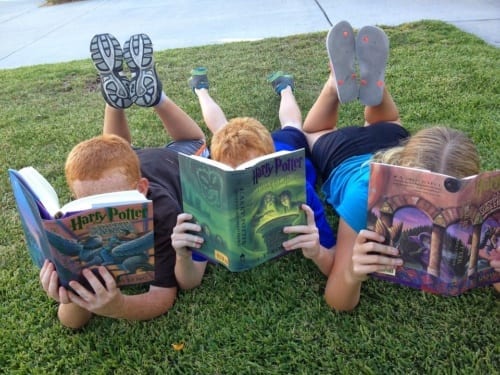
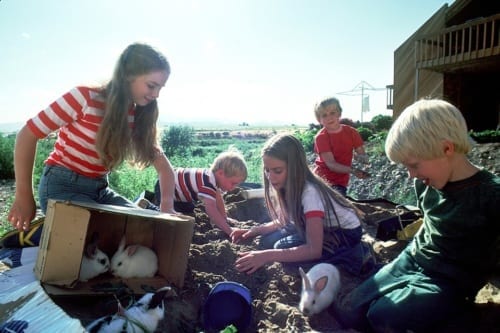
Follow the suggestions and guidelines laid out above, however, and students won’t succumb to the summer slide. Entertaining reading material, travel planning, cooking and exercise – all activities that can be a ton of fun – are all beneficial. Couple the tips with positive reinforcement and your little scholar will be ready to tackle the next school year head-on.
Summer learning loss in 2026: what the research shows and what families can do
Summer learning loss is the drop in academic skills that some students show between the end of one school year and the start of the next. Frank Milner describes it above as the “summer slide” and offers four everyday ways to keep skills sharp. Research since 2017 supports the spirit of that advice while showing that the loss is smaller, more uneven and more dependent on the subject than the popular picture suggests. This section sets out what is known and what a parent or school leader can do with it.
Math slips more than reading
In May 2026, K-12 Dive reported on an analysis by the testing organization NWEA of spring and fall 2023 results for students in kindergarten through grade 8. The analysis found significant summer loss in math, roughly 10 to 30 percent of what students learn in a typical school year. Reading scores stayed essentially unchanged from spring to fall. The researchers suggested that students may read outside school more often than they practice math, and that procedural math skills may fade faster.
The same report stressed how much students differ. Results ranged widely from the 10th to the 90th percentile, and researchers cannot fully explain why some students gain over the summer while others lose ground. They also have little information about what students do outside school during the break. A parent reading these findings should not conclude that every child will slide, or that reading is safe to ignore. The more accurate conclusion is that math is the subject most likely to need attention, and that outcomes vary from child to child.
Why experts still disagree on the size of the loss
A July 2023 article in Scientific American explained that the answer depends on the test. The NWEA assessment shows students forgetting up to three months of learning, the Early Childhood Longitudinal Studies-Kindergarten series shows essentially no loss, and a Renaissance Learning assessment shows mild reading losses and larger math losses. K-12 Dive noted the same split in separate NWEA research from April 2026, in which one test showed learning slowing but not dropping while three others showed drops or flattening, with the largest average drops in math.
Scientific American also pointed to a finding that parents often miss: early claims that low-income and minority students lose the most have not held up across studies, and who loses the most varies widely by test and grade. For families, the practical point is that “three months lost” is a figure from one kind of test, not a law of summer.
What helps, according to the research summaries
The same Scientific American article recommends using summer for structured learning, especially for students who are behind. It reports that formal summer math programs improved math skills in one review and that summer reading programs help, with the largest benefits for low-income students. It also says everyday activities such as cooking, shopping and playing board or puzzle games help more slowly than formal programs but still help, and that students benefit most from attending several consecutive summers of a program that mixes academics with play, exercise and enrichment.
That gives Milner’s list a sounder footing. Letting a child plan a trip, work out mileage and estimate travel time exercises the kind of math that appears most at risk. Cooking from a recipe involves measuring, fractions and sequencing. Choosing their own reading, as Milner suggests, keeps reading practice going in a subject area where the research shows the least loss. Families who want more can add a short, regular math practice, such as a few problems a few times a week, which fits the finding that procedural skills fade faster.
What districts can decide about summer programs
For school and district leaders, NWEA’s June 2024 report offered ten recommendations for effective summer programs. They include running programs for at least four weeks, keeping class sizes small and instruction targeted, using qualified staff, and making relationship building a core part of the program. NWEA also recommends including enrichment, adding culturally relevant activities, keeping programs free with transportation and meals provided, and communicating with families to encourage attendance. The report describes positive outcomes for early literacy among low-income students and for math across student groups, and possible improvements in social-emotional learning.
Timing matters for communication. Search interest in the phrase “summer learning loss” in the United States has tended to peak in April and May, which suggests that families look for ideas before the school year ends. A short note home in April, with a few activities matched to the child’s grade, will reach parents when they are asking the question.
A balanced summer
None of the research argues that students should spend the summer in drills. Milner is right that rest is healthy, and the research summaries favor programs and activities that combine learning with play and exercise. The decisions that matter are modest ones: a regular amount of reading, some math in daily life, and, for students who are behind, a high-quality summer program if one is available.
Further Reading
- The Columbus Dispatch – Kids’ learning doesn’t have to slide over summer
- The Washington Post – James Patterson has some ideas on what to do about that summer slide
- eSchool News – Virtual island destination aims to prevent the summer math slide
Related reading
More on School Calendar