Superintendents: Standing up for Kids
Lincoln Public Schools Superintendent Steve Joel discusses engaging the community behind district initiatives such as the Career Academy and his own path in education.
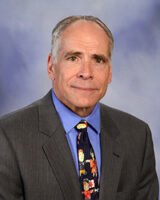

Dr. Steve Joel, Superintendent of Lincoln Nebraska Public Schools discusses how he and his leadership team have engaged the community to support district efforts including their Career Academy . Dr. Joel also talks about his background in education and how is path was forged along the way.
Dr. Steve Joel, Superintendent of Lincoln Nebraska Public Schools discusses how he and his leadership team have engaged the community to support district efforts including their Career Academy . Dr. Joel also talks about his background in education and how is path was forged along the way.
 Super-intendents, Episode 4: Dr. Steve Joel on Standing Up for KidsPlay: Super-intendents, Episode 4: Dr. Steve Joel on Standing Up for Kids
Dr. Steve Joel has served for five years as superintendent of Lincoln Public Schools, a district of almost 40,000 students and 8,000 employees. Previously, he served for ten years as superintendent in Grand Island, Nebraska, and eight years in Beatrice, Nebraska. A native of Long Island, New York, he has degrees from Doane College, the University of Nebraska-Lincoln, and Kansas State University.
Dr. Joel has been honored with a wide variety of awards and distinctions including: Nebraska Superintendent of the Year and Leadership Excellence by the Educational Resource Development Institute. He also has been active in many community clubs and coalitions, and serves on a number of boards including the Chamber of Commerce, Foundation for Lincoln Public Schools, Lincoln Community Foundation, The Career Academy, and United Way of Lincoln and Lancaster County.
About this episode
Dr. Steve Joel, superintendent of Lincoln Public Schools in Nebraska and a veteran of five superintendencies, brings the most personal voice to the series. His conversation moves between the practical work of running a large district and the convictions that brought him into education in the first place.
One question behind every decision
Joel describes a simple test he applies to every choice: whether it is good for children. If it is not, the district does not do it. He is frank that schools sometimes make decisions for the convenience of adults, and he presents putting students first as the most rewarding work an educator can do.
Listening, then deciding
For anyone weighing a superintendency, his advice is to bring every voice into the conversation and listen honestly, while understanding that hearing people out does not mean agreeing with them. Leading a district of about 40,000 students and 8,000 employees, he gathers as many perspectives as he can before seeking the most collaborative path. He acknowledges that the hard calls that follow help explain why superintendents, particularly in urban districts, rarely stay as long as communities might hope.
A district woven into its community
Joel’s approach to business partnership begins with being present. He sits on boards across Lincoln, from the United Way and the community foundation to the Chamber of Commerce and economic development groups, so that residents encounter the schools as more than a line on a tax bill. A council of community leaders also meets with him several times a year.
The flagship result is The Career Academy, developed with local employers as an equal partnership with the community college and located on its campus. It is designed for about 1,000 students across 14 career pathways, each supported by business advisers who help with curriculum and internships. Joel also speaks about obligations to smaller neighbors: about a tenth of the academy’s seats are offered to some 40 surrounding districts, and Lincoln shares language and Advanced Placement courses with them through distance learning.
Every student, without exception
The conversation’s moral center is Joel’s insistence that public schools serve every child. When he arrived, Lincoln graduated fewer than 80% of students on time; the district set a goal in the low eighties, passed it, reached 87%, and is now aiming for 90%. He places that ambition in context: Lincoln is a refugee resettlement community, 44% of its students qualify for free or reduced-price meals, and teachers report rising mental health needs.
That commitment shapes his skepticism about vouchers and privatization. Because public schools accept every student, he argues, systems that let schools choose their students risk concentrating privilege, and he describes public education as the best investment a community can make.
The superintendent as chief communicator
Joel describes communication as a large and growing share of the job. He is in a school almost daily, in the community almost as often, and has spoken to well over a hundred civic groups. Because people look to the superintendent in a crisis, the district prepares its messages in advance. On property taxes his position is consistent: until another way to fund schools exists, he makes no apology for asking residents to invest in their children.
From a police family to the classroom
The most affecting part of the episode is Joel’s own story. He grew up expecting to follow his father into the New York City Police Department, and credits mentors who saw potential in him that he did not yet see. His father, who held three jobs, gave him a work ethic and a lasting respect for the teachers, aides and bus drivers who keep schools running. Joel still teaches Junior Achievement, mentors students and teaches graduate courses, and admits that as a discouraged young teacher he once considered leaving for restaurant management. What kept him, he says, is that each school day offers a fresh start.
Building the next generation of teachers
Joel closes on the teacher pipeline. Educators, he argues, should personally encourage promising people to join the profession. Recruiting teachers of color is a priority for Lincoln, where about 30% of students are children of color but only 5% of teachers are, and the district is working toward 10%, 15% and beyond. He ends by reminding listeners that, for all the criticism public schools receive, no other country opens its doors to every student the way American public schools do, and that teaching is the profession on which every other profession depends.
Dr. Joel’s TEDx Talk
In his TEDxLincoln talk, Dr. Joel tells the story behind the convictions he shares in this conversation.
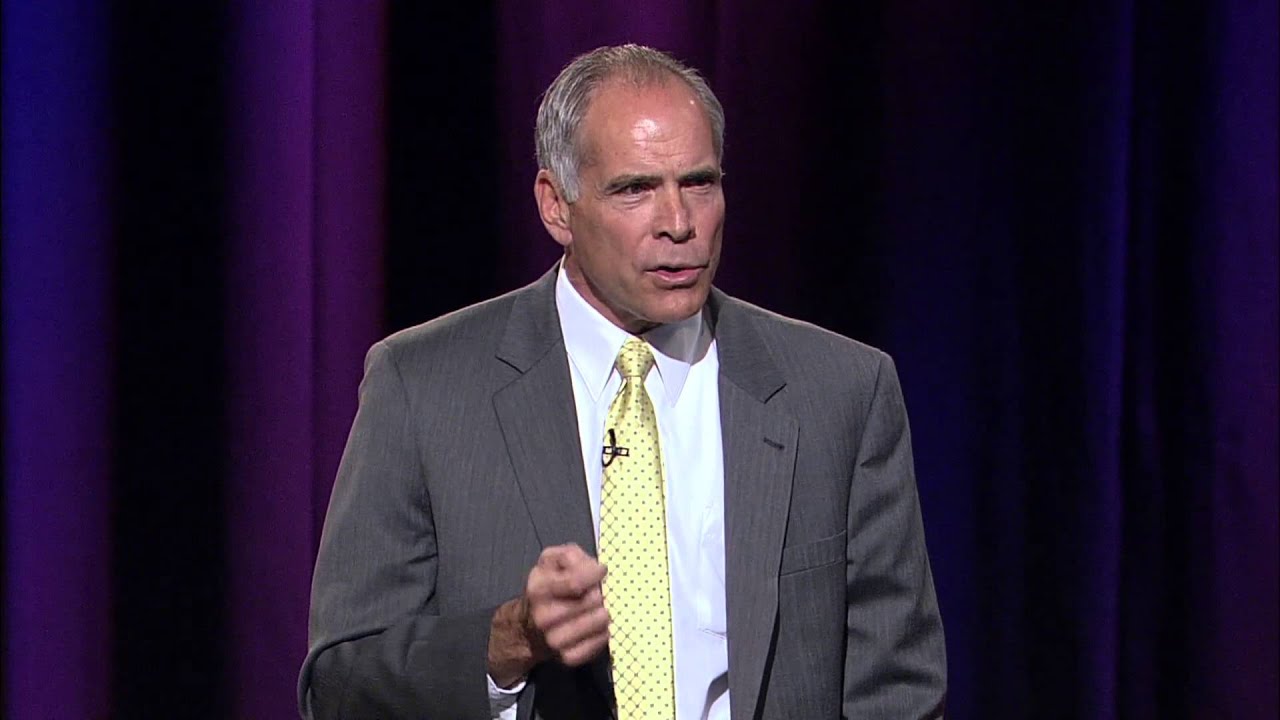
The full conversation is in the player above, and every episode of the series is on the Super-intendents hub.
Related: Transparency Matters in Educational Leadership
Related reading
More on Super-intendents