


edCircuit
  • Start Here
    • Login
    • Register
    • Subscribe
    • Submit a Press release
    • Advertise or Sponsor
    • Contribute
    • Get Interviewed
  • On The Wire
  • EdTech
    • All EdTech
    • Online Learning
    • Hybrid and Remote Learning
    • Augmented and Virtual Reality
    • ESports
    • Gamification and Game-Based Learning
    • Digital Citizenship
    • EdTech Entrepreneurs
    • Market Trends
    • Future of Education
  • K-12 Education
    • All K-12
    • K-12 Teachers
    • Teaching Strategies
    • Special Education and IEPs
    • Dyslexia
    • Gifted and Advanced Learning
    • Early Childhood, Pre-K and Kindergarten
    • School Calendar
    • Tutoring and Homework Help
    • Attendance and Absenteeism
    • After-School Programs
    • School Counselors
    • Homeschooling
    • School Models
    • Teacher Retention
    • Parents
    • Students
    • STEM and STEAM Education
  • Teaching and Learning
    • Literacy and Reading
    • Math Education
    • Civics and History Education
    • Financial Literacy
    • Assessment and Testing
    • Curriculum and Instruction
    • Personalized Learning
    • Project-Based Learning
    • Social-Emotional Learning
    • Executive Function
    • Creativity
    • Diversity, Equity, Inclusion
  • Professional Development
    • All Professional Development
    • Educators
    • Administrators
    • edLeaders
  • Higher Education
    • All Higher Education
    • College Admissions
    • Career and Technical Education (CTE)
    • Graduation
    • FAFSA and Financial Aid
    • Student Loans
  • Artificial Intelligence
  • Cybersecurity
  • School Safety
    • All School Safety
    • Science and Lab Safety
    • School Design and Facilities
    • Bullying
    • Duty of Care and School Liability
  • Continuing Education
    • All Continuing Education
    • Online Certificate Programs
    • Teaching Jobs and Careers
    • Teacher Appreciation
  • Education Policy and Government
    • All Education Policy
    • Department of Education
    • School Choice
    • Global
    • Advocates
  • EDU Shows
    • All EDU Shows
    • Safer Ed
    • Mind the Gap
    • EdTech Questions
    • CoffeEd
    • InFocus
    • InformED Report
  • EDU Podcasts
    • All EDU Podcasts
    • Author Chats
    • CoSN The Podcast
    • Education Today
    • Building the Bridge
    • Students Speak
  • Education Industry Guides and Reports
  • Archived Media
    • Future of School: The Podcast
    • Equity Everywhere
  • About edCircuit
  • Subscribe
edCircuit
  • LOGIN
Home Tags Posts tagged with "Headline"
Tag:

Headline

This if for posts to be in the featured/top section of site
A student in a classroom looks stressed at her laptop, which displays an AI Detection alert, while others work on laptops and warning symbols appear on classroom screens.
Hot Topics - controversialArtificial IntelligenceK-12Assessment and Testing

AI Detection in Schools: Why Educators Are Moving On

by EdCircuit Staff April 22, 2026
written by EdCircuit Staff 6 minutes read

AI detection in schools has quickly become one of the most debated topics in education as teachers, administrators, and policymakers confront the rapid rise of generative AI tools. When artificial intelligence writing platforms first became widely accessible, many districts and universities turned to AI detection software to identify student work generated by these tools.

But only a few years into this experiment, a growing number of educators are questioning whether AI detection tools are the right solution—or whether the approach itself may be flawed.

Across K–12 and higher education, what some educators are now calling “AI detection fatigue” is emerging. Teachers report spending significant time investigating potential AI-generated work while increasingly recognizing that detection tools often provide uncertain or inconsistent results. As a result, the conversation around academic integrity is beginning to shift from policing AI use to teaching students how to use it responsibly.

The Rapid Rise of AI Detection Tools

When generative AI writing systems first gained popularity, schools were caught off guard. Students suddenly had access to tools capable of producing essays, summaries, explanations, and even coding assignments in seconds.

District leaders and universities quickly began searching for ways to identify when AI might be used improperly. Technology vendors responded by releasing a new category of software designed to detect whether text was written by a human or generated by AI.

These tools promised to analyze patterns such as sentence structure, vocabulary use, and probability models to determine whether writing might have been created by an artificial intelligence system. Within months, many educators began experimenting with AI detection platforms to maintain academic integrity.

At first, the idea seemed straightforward: if students were using AI improperly, schools could identify the work and address the issue.

In practice, however, the situation proved more complicated.

Why Teachers Are Losing Confidence in AI Detection

As detection tools became more widely used, many educators began noticing a troubling pattern: the results were often inconsistent.

Teachers reported that some tools flagged clearly human-written work as AI-generated, while other assignments that appeared heavily AI-assisted passed through undetected. Because generative AI systems continuously evolve, detection tools struggle to keep pace with the technology they are designed to identify.

This uncertainty creates a difficult situation for educators. Accusing a student of academic dishonesty is a serious matter, and many teachers are understandably hesitant to rely on software that cannot guarantee accurate results.

In some cases, educators have discovered that detection platforms produce probabilities rather than definitive answers. A report might suggest that text is “likely AI-generated,” but it rarely provides proof strong enough to support disciplinary action.

For teachers already balancing instruction, grading, and classroom management, investigating suspected AI use can become time-consuming and stressful.

The Problem of False Positives

One of the most widely discussed concerns about AI detection tools is the risk of false positives—situations where human-written work is incorrectly labeled as AI-generated.

Researchers and educators have observed that detection systems may be more likely to misidentify writing produced by:

  • English language learners

  • Students with more formulaic writing styles

  • Younger students who follow structured essay formats

  • Writers who rely on simpler vocabulary

In these situations, students may face accusations of academic dishonesty despite completing the work themselves.

This possibility has raised serious ethical questions. Schools must balance the desire to uphold academic integrity with the responsibility to avoid unfairly accusing students based on uncertain technology.

As a result, some institutions have begun discouraging or even prohibiting the use of AI detection software in disciplinary decisions.

Universities Are Beginning to Step Away

Higher education institutions were among the earliest adopters of AI detection tools. However, several universities have already begun reconsidering their reliance on them.

Some institutions have publicly acknowledged that detection software should not be used as definitive evidence of misconduct. Instead, instructors are encouraged to use their professional judgment, review writing processes, and speak with students directly when concerns arise.

These shifts are influencing conversations in K–12 education as well. School districts often look to higher education for guidance on academic policy, and the emerging skepticism toward AI detection is shaping how many districts approach the issue.

Rather than relying on software to determine whether AI was used, many educators are rethinking how assignments are designed.

From AI Policing to AI Literacy

As confidence in detection tools declines, educators are increasingly focusing on a different strategy: AI literacy.

Instead of attempting to eliminate AI from student work entirely, schools are beginning to teach students how to use these tools responsibly. This approach recognizes that artificial intelligence is likely to remain part of academic and professional environments for the foreseeable future.

AI literacy initiatives often emphasize:

  • Understanding how AI tools generate content

  • Recognizing limitations, biases, and inaccuracies

  • Properly citing AI assistance

  • Using AI as a brainstorming or support tool rather than a substitute for learning

By integrating these lessons into instruction, educators hope to prepare students to use AI ethically while still developing their own critical thinking and writing skills.

This shift represents a broader change in mindset: rather than treating AI as something that must always be detected and prevented, educators are exploring ways to guide students toward responsible use.

Rethinking Assignments in the AI Era

Another response to AI detection fatigue is a growing interest in redesigning assignments themselves.

Teachers are experimenting with strategies that make learning more visible and process-driven, including:

  • Draft-based writing assignments

  • In-class writing activities

  • Oral presentations or reflections

  • Project-based learning

  • Collaborative problem-solving tasks

These approaches emphasize the learning process rather than focusing solely on the final product. When teachers observe how students develop ideas and demonstrate understanding throughout the assignment, concerns about AI-generated content become less central.

Many educators believe this shift could ultimately strengthen learning by encouraging deeper engagement with material.

A New Chapter for Academic Integrity

The emergence of AI detection fatigue does not mean schools are abandoning academic integrity. Instead, it reflects an evolving understanding of how technology intersects with learning.

Artificial intelligence is likely to remain part of students’ academic and professional lives. The challenge for educators is not simply identifying when AI is used but helping students understand when and how its use is appropriate.

For teachers and school leaders, this requires a careful balance: maintaining high expectations for original work while acknowledging that new technologies are reshaping how information is created and shared.

The debate surrounding AI detection tools illustrates a larger truth about education in the digital age. Technologies often appear suddenly, but meaningful integration takes time, reflection, and thoughtful leadership.

As schools continue to adapt, the conversation may shift from simply detecting artificial intelligence to preparing students to use it responsibly.

In the long run, that shift may prove far more valuable than any detection tool.

Subscribe to edCircuit to stay up to date on all of our shows, podcasts, news, and thought leadership articles.

April 22, 2026 0 comments
0 FacebookTwitterPinterestLinkedinWhatsappCopy LinkEmail
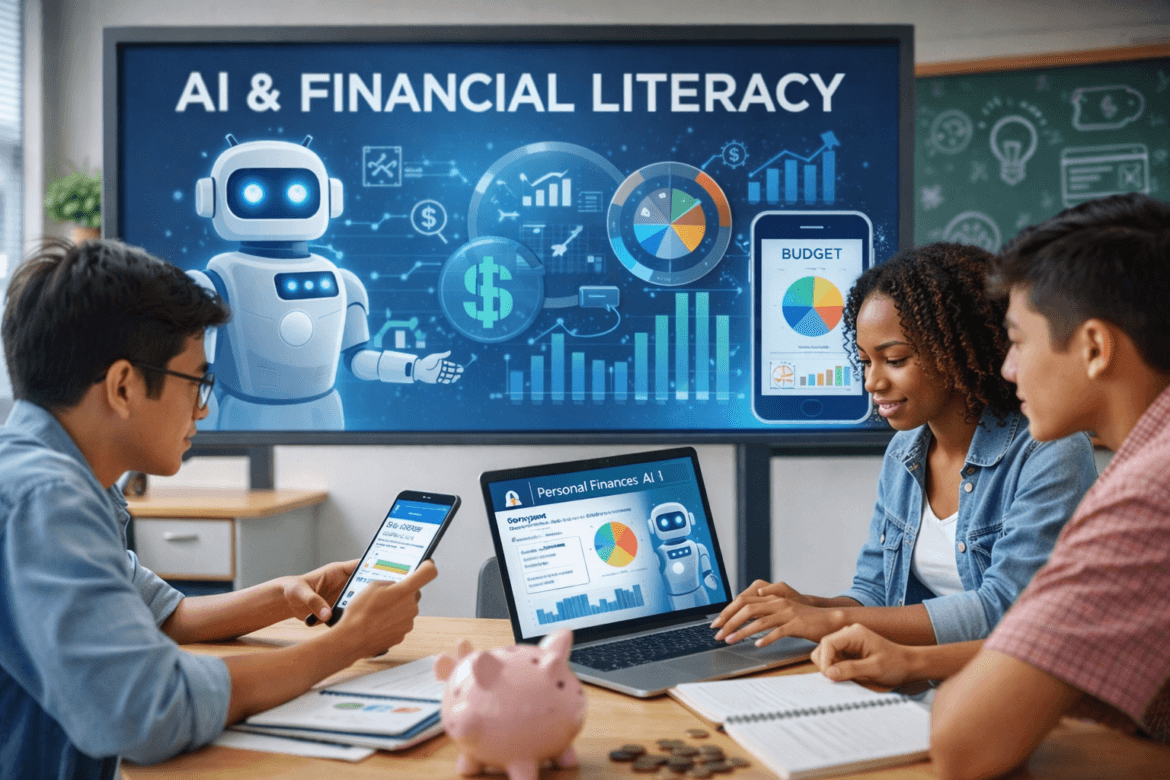
Three students explore AI and Financial Literacy using digital devices, with vibrant infographics and financial charts displayed on a screen in the background.
Hot Topics - controversialArtificial IntelligenceK-12Financial Literacy

AI and Financial Literacy: Preparing Students for the Future

by EdCircuit Staff April 21, 2026
written by EdCircuit Staff 6 minutes read

AI and financial literacy are becoming closely connected as technology continues to reshape how people earn, spend, save, and invest money. In a world where financial apps, automated budgeting tools, and algorithm-driven investment platforms are increasingly common, students need more than traditional financial education. They also need to understand how artificial intelligence influences financial decisions.

According to education and financial research organizations, many young adults enter adulthood without strong financial knowledge. At the same time, financial technology is evolving rapidly. Students today are likely to rely on AI-powered tools throughout their financial lives, from managing daily spending to planning long-term investments. Preparing students for this reality requires schools to combine financial literacy with an understanding of how digital financial systems work.

Financial education must now evolve to reflect the technology shaping modern financial behavior.

The Rise of AI in Personal Finance

Artificial intelligence is transforming the financial industry. Banks, financial technology companies, and investment firms now use AI to analyze financial data, identify spending patterns, detect fraud, and provide personalized financial insights.

Many tools students already use include AI features, often without them realizing it. For example, mobile banking apps may analyze spending patterns and categorize purchases automatically. Budgeting apps can suggest ways to reduce spending based on previous financial behavior. Automated investment platforms, often called robo-advisors, recommend investment strategies based on risk tolerance and financial goals.

AI also plays a critical role in financial security. Financial institutions use machine learning systems to detect unusual transactions and prevent fraud in real time.

While these tools make managing money more convenient, they also mean that many financial decisions are increasingly guided by algorithms rather than direct human advice. Understanding how these systems operate helps students become informed users rather than passive participants.

Why Financial Literacy Must Evolve

Traditional financial literacy education focuses on core topics such as budgeting, saving, credit management, and investing. These fundamentals remain essential and will always form the foundation of financial education.

However, the environment in which financial decisions take place has changed dramatically.

Students now interact with financial systems through apps, digital wallets, online banking platforms, and automated financial services. Many of these platforms use AI to guide user behavior. For instance, an app might recommend transferring money into savings, reducing certain types of spending, or adjusting investment allocations.

While these recommendations can be helpful, students should understand the financial principles behind them. Without that knowledge, individuals may follow automated suggestions without fully understanding how those decisions affect their long-term financial health.

Financial literacy in the age of AI, therefore, requires two key skills: understanding financial fundamentals and evaluating the technology that influences financial decisions.

How Schools Are Using AI to Teach Financial Literacy

Artificial intelligence is also beginning to change how financial education is delivered in classrooms.

Some educational platforms now use AI-driven learning systems that adapt to each student’s understanding of financial concepts. If a student struggles with a topic such as compound interest or budgeting, the system can provide additional examples or explanations until the concept becomes clear.

Another emerging tool is AI-powered financial simulation software. These programs allow students to experiment with financial decisions in a realistic environment. For example, students might manage a virtual monthly budget, pay off simulated loans, or build long-term savings plans.

As students make decisions, the system analyzes the outcomes and provides feedback. This allows learners to see how financial choices affect their long-term financial stability without real-world consequences.

These interactive experiences make financial education more engaging while helping students understand the practical impact of their financial decisions.

Benefits of AI in Financial Education

Artificial intelligence can significantly improve financial education when used thoughtfully.

One major advantage is personalized learning. Every student approaches financial topics with a different level of knowledge and experience. AI-powered learning platforms can adjust lessons to meet individual needs, allowing students to learn at their own pace.

AI tools also improve accessibility. Students can receive immediate explanations of financial topics such as interest rates, debt repayment strategies, or saving plans without waiting for classroom instruction.

AI-powered simulations can also demonstrate long-term financial outcomes. For instance, students can explore how credit card debt grows over time or how consistent saving benefits long-term financial goals. Seeing these outcomes visually helps reinforce the importance of responsible financial habits.

These technologies transform financial literacy from a purely theoretical subject into an interactive learning experience.

Risks Students Should Understand

While AI offers many benefits, it also introduces new challenges that students must learn to recognize.

Artificial intelligence systems rely heavily on data and algorithms. As a result, their recommendations may not always reflect an individual’s unique financial situation. Economic conditions, personal goals, and unexpected expenses can all affect financial decisions in ways that automated tools may not fully account for.

Another concern is the rise of AI-enabled scams. Fraudsters increasingly use advanced technology to create convincing phishing emails, fake investment opportunities, and fraudulent financial messages. Some scams even use AI-generated voices or images to impersonate trusted individuals.

Without proper financial and digital literacy, young consumers may be more vulnerable to these threats.

Teaching students how to verify financial information, recognize suspicious communications, and protect personal financial data is now an essential part of financial education.

Teaching Students to Think Critically About AI

One of the most important skills students can develop is the ability to evaluate AI-generated financial advice critically.

AI tools can be helpful, but they should not replace thoughtful decision-making. Students should understand that automated financial recommendations are based on patterns and probabilities rather than personal judgment.

Educators can encourage critical thinking by teaching students to ask important questions when using financial tools:

  • Where does this recommendation come from?

  • What information is the system using to generate advice?

  • Does this suggestion align with my financial goals?

  • Are there potential risks involved?

Learning to question financial recommendations helps students maintain control over their financial decisions rather than relying entirely on automated systems.

The Future of Financial Education

As artificial intelligence continues to evolve, financial education must evolve alongside it.

Schools that integrate technology into financial literacy programs can better prepare students for a rapidly changing financial landscape. However, the goal should not simply be teaching students how to use new tools. Instead, education should focus on helping students understand the financial principles that remain constant regardless of technological change.

Concepts such as budgeting, saving, responsible borrowing, and long-term financial planning will always remain essential. What is changing is the way individuals interact with financial systems.

Students must learn how these timeless financial principles intersect with modern technology.

Preparing Students for an AI-Driven Financial World

Financial literacy has always been about empowerment. When individuals understand how money works, they gain confidence in their ability to make informed financial decisions.

In an economy increasingly shaped by artificial intelligence, that empowerment must also include digital awareness. Students who understand both financial fundamentals and the technology guiding financial tools will be better prepared to navigate the modern economy.

As AI continues to transform personal finance, education systems have a unique opportunity to prepare students for the future. By teaching financial literacy alongside AI awareness, schools can help the next generation make smarter financial choices, avoid digital financial risks, and confidently manage money in a technology-driven world.

Subscribe to edCircuit to stay up to date on all of our shows, podcasts, news, and thought leadership articles.

April 21, 2026 0 comments
0 FacebookTwitterPinterestLinkedinWhatsappCopy LinkEmail
A woman holding a walkie-talkie stands by a lab table with beakers and a clipboard, while two people argue about risky decisions in the background near a door.
School SafetySafer EdK-12

Risky Decisions in School Safety Under Pressure

by EdCircuit Staff April 20, 2026
written by EdCircuit Staff 4 minutes read

Risky decisions in school safety under pressure don’t happen because people don’t care—they happen because people are forced to act before they fully understand what’s happening.

And in those moments, the decision doesn’t feel risky—it feels like the only option available.

No teacher, administrator, or staff member walks into a situation intending to take a risk. In fact, most decisions made in schools are grounded in responsibility, experience, and a genuine desire to do the right thing.

But when time compresses, information is incomplete, and pressure builds, decision-making changes.

And that’s where risk begins to take shape.

In the latest episode of the Safer Ed Podcast, “Why Good People Make Risky Decisions in Schools,” we take a deeper look at what actually happens in those moments—and why even strong systems can quietly step aside when people need them most.

Safer EdWhy Good People Make Risky Decisions in SchoolsApril 20, 2026 · 9 min 56 sPlay episode: Why Good People Make Risky Decisions in Schools (9 minutes 56 seconds)0:00-9:56Follow on SpotifyApple

When Pressure Changes the Way People Think

In a controlled environment, educators rely on training. They follow procedures. They communicate clearly and deliberately.

But real situations aren’t controlled.

They’re fast. They’re unclear. And they demand an immediate response.

Under pressure, the brain shifts. It moves from deliberate thinking to rapid processing. Instead of carefully weighing options, people begin scanning for patterns, searching for something familiar, and trying to make sense of the situation as quickly as possible.

And in doing that, they simplify.

They shorten communication. They skip steps. They focus on what feels most immediate rather than what might be most complete.

This isn’t a failure of training—it’s a human response to pressure.

The Hidden Role of Assumption

When clarity is missing, assumption takes its place.

People begin to fill in the gaps:

  • “It’s probably not that serious.”
  • “I can handle this.”
  • “Someone else will step in if needed.”
  • “I’ll escalate if it gets worse.”

These thoughts don’t feel reckless—they feel reasonable.

They allow action to happen quickly in an uncertain moment.

But assumption replaces confirmation.

And once that happens, decisions are no longer grounded in what is known—they are grounded in what is believed.

That’s where systems begin to lose reliability.

When Communication Creates Confusion Instead of Action

Pressure doesn’t just change how people think—it changes how they communicate.

Messages become shorter. Less detailed. More urgent.

“We need help.”
“Something’s wrong.”
“Can someone come down here?”

These messages feel efficient—but they create interpretation instead of action.

The person receiving the message now has to determine:

  • What is actually happening
  • How urgent the situation is
  • What response is required

And while they’re figuring that out, time is passing.

Now, both sides of the situation are under pressure—each trying to act without full clarity.

That’s when alignment begins to break.

The Illusion of Time

In high-pressure moments, time doesn’t feel accurate.

What might be several minutes feels like seconds.

And that feeling changes behavior.

People rush—not because they’re careless, but because they feel like they don’t have time to slow down.

They move toward action, even if that action isn’t fully informed.

Pressure doesn’t remove risk—it hides it behind urgency.

And in that urgency, steps get skipped. Communication gets shortened. Confirmation doesn’t happen.

Leadership in the Moment

When something goes wrong, people look for direction.

They look for someone to anchor to—someone who can bring clarity to the situation.

When leadership is visible and decisive, it stabilizes the environment. It aligns actions. It restores structure.

But when leadership is unclear or delayed, people begin to act independently.

Multiple decisions happen at once. Each one may be well-intentioned, but without coordination, they don’t connect.

And when they don’t connect, gaps form.

When “Nothing Happened” Becomes the Problem

One of the most dangerous outcomes in school safety is when nothing goes wrong.

Because that outcome reinforces the decision that was made.

The system begins to trust actions that haven’t actually been tested under different conditions.

People think:
“That worked.”

But what they don’t see is how easily the outcome could have been different.

Over time, those decisions become part of how things are done—not because they are safe, but because they have not yet failed.

Designing Systems That Work Under Pressure

The goal isn’t to eliminate pressure.

That’s not possible.

The goal is to design systems that recognize how people actually behave under pressure—and support better decisions in those moments.

That means:

  • Clarifying roles before situations occur
  • Reducing the need for interpretation in communication
  • Reinforcing confirmation, not assumption
  • Practicing scenarios that reflect real-world complexity
  • Designing systems that guide action, not just document it

Because in the moment, people won’t have time to figure everything out.

The system has to meet them where they are.

Final Thought

Risk in schools is rarely created by intent.

It’s created in moments—when people are trying to do the right thing, but don’t have the clarity, time, or support they need.

Because in every school, good people will face difficult decisions.

The question is whether those decisions are supported—
or whether your system quietly steps aside when they matter most.

Subscribe to edCircuit to stay up to date on all of our shows, podcasts, news, and thought leadership articles.

April 20, 2026 0 comments
0 FacebookTwitterPinterestLinkedinWhatsappCopy LinkEmail
Four students with achievement awards and a teacher with a Teacher of the Year plaque stand smiling at an End-of-Year Recognition event, with a crowd and graduates in the background.
EducatorsHot Topics - controversialSchool CalendarK-12

Why End-of-Year Recognition Matters in Schools

by EdCircuit Staff April 20, 2026
written by EdCircuit Staff 5 minutes read

These recognition moments go beyond simply presenting awards. They provide an opportunity for school communities to celebrate achievement, recognize perseverance, and highlight the collective effort that supports student learning every day. When districts intentionally recognize the contributions of students, teachers, and staff, they reinforce the values of hard work, collaboration, and commitment that shape a successful school community.

Ending the school year with recognition allows everyone involved to pause, reflect, and celebrate the progress made together.

Celebrating Student Achievement and Growth

Students are at the heart of every school district, and end-of-year recognition offers an opportunity to highlight the many ways students grow throughout the year. While academic success is often a central focus, recognition programs can celebrate a wide range of accomplishments.

Many schools honor students for achievements such as academic excellence in subjects like mathematics, science, language arts, and the arts. Honor roll recognition, academic achievement awards, and subject-specific awards help highlight students who have demonstrated dedication to their studies.

However, student recognition should extend beyond top academic performers. Many districts also recognize students who demonstrate improvement, perseverance, leadership, and positive character. These awards can celebrate students who worked hard to overcome challenges, improved significantly during the year, or demonstrated kindness and leadership within the school community.

Extracurricular involvement is another important area of recognition. Students who participate in athletics, performing arts, clubs, and service organizations develop skills that extend far beyond the classroom. Recognizing achievements in these areas highlights the well-rounded experiences that help students grow as individuals.

By celebrating a variety of student accomplishments, schools encourage all students to continue striving for success and personal growth.

Honoring the Dedication of Teachers

Teachers play a central role in shaping student learning and supporting academic success. Throughout the school year, educators invest countless hours preparing lessons, guiding students, and creating engaging classroom experiences.

Many teachers also take on additional responsibilities, such as mentoring students, coaching athletics, advising clubs, and collaborating with colleagues to improve instruction.

End-of-year recognition provides districts with a meaningful opportunity to highlight these efforts. Teacher recognition may include awards for instructional excellence, innovative teaching strategies, mentorship, leadership, or years of service.

Some districts also highlight educators who have made a significant impact on student learning or who have gone above and beyond to support students and families.

Acknowledging teachers’ dedication is important because it reinforces the value of their work. Teaching is both rewarding and demanding, and public recognition helps educators feel appreciated and supported by their schools and communities.

When teachers feel valued, it strengthens morale and encourages continued commitment to student success.

Recognizing the Contributions of Support Staff

Behind every successful school is a dedicated team of support staff who help create a safe, welcoming, and well-functioning environment for students and educators.

Bus drivers ensure students arrive safely each day. Custodial and maintenance teams keep school buildings clean and operational. Administrative assistants help coordinate the daily activities of a school, while counselors, paraprofessionals, technology teams, and food service staff provide essential services that support student well-being and learning.

These individuals often work behind the scenes, yet their contributions are vital to the success of the entire school community.

End-of-year recognition provides districts with an opportunity to acknowledge these important roles. Celebrating support staff reminds everyone that education is a shared effort and that every position contributes to student success.

When support staff feel appreciated, it strengthens teamwork across the district and reinforces a culture where every role is valued.

Building a Culture of Appreciation in Schools

Recognition programs do more than celebrate individual accomplishments. They help build a culture where effort, dedication, and collaboration are valued throughout the school community.

Students who receive recognition often feel encouraged to continue working toward their goals. Teachers who are acknowledged for their contributions feel supported in their profession. Staff members recognized for their work feel connected to the district’s broader mission.

A culture of appreciation also strengthens relationships among students, educators, and staff. When people feel valued, they are more likely to remain engaged, motivated, and committed to the success of their school community.

Over time, this positive environment can improve morale, increase collaboration, and strengthen the overall culture of a district.

Strengthening School and Community Connections

End-of-year recognition events also provide an opportunity to strengthen connections between schools and the communities they serve.

Award ceremonies, recognition assemblies, appreciation events, and graduation celebrations often bring together students, families, educators, and community leaders. These gatherings highlight the accomplishments of the school year while reinforcing the partnership between schools and families.

For parents and guardians, seeing their children recognized for their achievements is often a proud and meaningful moment. These celebrations reinforce the importance of education and encourage continued support for students as they move forward in their academic journey.

Community members also gain a clearer understanding of the dedication and effort that takes place within schools each day. When communities see students’ success and the commitment of educators and staff, it helps build trust and pride in the local school district.

Reflecting on a Year of Progress

The end of the school year provides a natural moment for reflection. Students look back on the knowledge and skills they have gained, teachers reflect on the impact of their instruction, and school leaders evaluate the progress made throughout the year.

Recognition ceremonies capture this moment by highlighting the milestones and accomplishments that defined the school year.

These celebrations remind everyone that education is about more than academic outcomes. It is also about perseverance, personal growth, collaboration, and community support.

By recognizing these achievements, schools help close the year on a positive and inspiring note.

Looking Ahead to the Next School Year

While end-of-year recognition celebrates the accomplishments of the past year, it also helps inspire the future. Students who are acknowledged for their efforts gain confidence and motivation to continue pursuing their goals. Teachers and staff who feel appreciated are encouraged to continue investing their time and energy into supporting students.

Recognition also reinforces the shared mission of a school district: helping every student succeed.

A successful school year is never the result of one individual. It reflects the combined efforts of students striving to learn, educators dedicated to teaching, and staff members working together to support the entire school community.

By celebrating these contributions at the end of the year, school districts strengthen their culture, honor the people who make education possible, and inspire continued success in the years ahead.

Subscribe to edCircuit to stay up to date on all of our shows, podcasts, news, and thought leadership articles.
April 20, 2026 0 comments
0 FacebookTwitterPinterestLinkedinWhatsappCopy LinkEmail
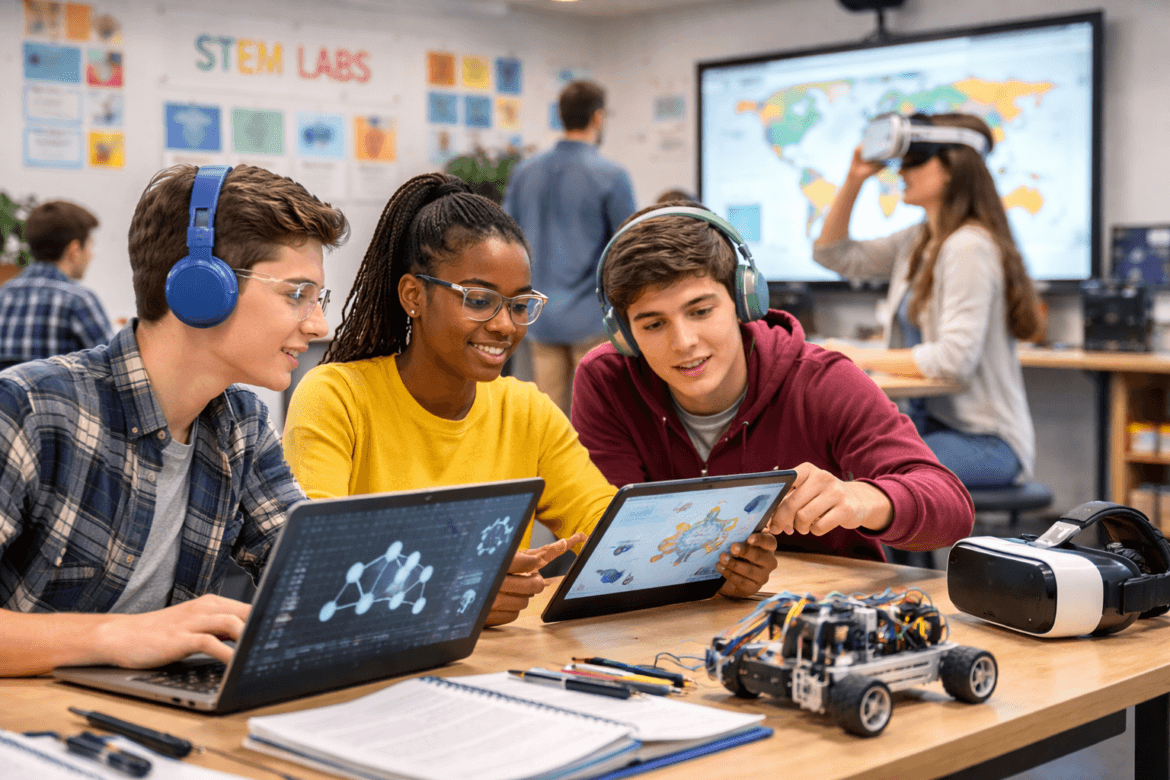
Students collaborate on STEM projects using laptops and tablets in a classroom; EdTech trends are evident with robotics equipment and a VR headset visible on the table.
EdTechHigher Education

EdTech Trends Transforming High School Classrooms

by EdCircuit Staff April 17, 2026
written by EdCircuit Staff 6 minutes read

EdTech in high school is transforming classrooms as students use digital tools, artificial intelligence, and collaborative platforms to learn, create, and explore ideas in entirely new ways. What once began as occasional computer access in school libraries has evolved into a dynamic ecosystem of digital tools that shape how students research information, complete assignments, and interact with peers and teachers.

Today’s high school students have grown up in a digital world. From smartphones and gaming systems to streaming media and social platforms, digital interaction is a natural part of their daily lives. As a result, schools are increasingly integrating educational technology into classrooms in ways that extend far beyond traditional computer labs.

Modern classrooms now blend instruction, technology, and creativity to support deeper engagement and expanded learning opportunities. Rather than replacing traditional teaching methods, educational technology allows teachers to expand the ways lessons are delivered, and students demonstrate understanding.

From Computer Labs to Digital Classrooms

The presence of technology in schools has evolved dramatically over the past two decades.

In the early 2000s, computers in schools were often limited to dedicated labs where students learned typing, basic research skills, and productivity tools. Internet access was still developing, and digital learning platforms were relatively limited.

As wireless internet and mobile devices became more accessible, schools began integrating laptops and tablets directly into classrooms. Learning management systems enabled teachers to organize assignments digitally and gave students access to course materials outside the classroom.

Today, technology is woven into everyday instruction across nearly every subject area. Students use digital platforms for writing, research, collaboration, and project development. Teachers incorporate multimedia resources, simulations, and interactive tools to make lessons more engaging and adaptable to different learning styles.

This shift has created learning environments that look very different from classrooms just twenty years ago.

Digital Tools Are Expanding Classroom Possibilities

One of the most noticeable changes in modern high schools is the wide range of digital tools available to teachers and students.

In many classrooms, students collaborate on shared documents in real time, analyze data sets using online platforms, or create multimedia presentations that combine research, storytelling, and visual design. Instead of relying exclusively on textbooks, students can access primary sources, videos, interactive maps, and digital archives that bring lessons to life.

For teachers, these tools create opportunities to design learning experiences that are both interactive and flexible. A history teacher might guide students through digital archives of historical documents, while a science teacher may incorporate simulations that allow students to experiment with environmental or chemical systems.

Assignments themselves have evolved. Students may now create podcasts, digital portfolios, interactive presentations, or short documentaries that demonstrate their understanding of a topic.

These experiences allow students to move beyond memorization and actively engage with ideas.

Artificial Intelligence Is Entering the Classroom

Artificial intelligence has quickly become one of the most talked-about technologies in education.

Early discussions about AI often focused on concerns about academic integrity and the possibility that students might rely too heavily on automated tools. While those concerns remain important, educators are increasingly exploring how artificial intelligence can support teaching and learning.

Students may use AI-powered tools to brainstorm ideas for writing assignments, review challenging concepts, or receive step-by-step explanations when solving difficult problems. For example, a student working through a complex algebra problem may use an AI tool to better understand the reasoning behind each step.

Teachers are also experimenting with AI in ways that support instruction. AI tools can assist with generating practice questions, organizing lesson ideas, or providing quick feedback on written work.

At the same time, many schools are placing a growing emphasis on AI literacy. Students are learning not only how to use artificial intelligence tools but also how to evaluate their accuracy, recognize potential bias, and understand their limitations.

These conversations are helping students develop responsible and informed approaches to emerging technologies.

Creativity and Media Production in the Classroom

Educational technology is also transforming how students express creativity and communicate ideas.

Digital media tools now allow students to produce podcasts, video documentaries, digital artwork, animations, and interactive presentations as part of classroom assignments. These projects combine research, storytelling, and design in ways that extend beyond traditional written work.

For example, students in a history course might create documentary-style videos examining key historical events. In a science class, students may create digital presentations that explain environmental research findings. Technology and media courses may involve designing websites, building mobile apps, or producing short films.

These types of projects encourage creativity while also helping students develop communication and media literacy skills that are valuable in many modern careers.

Collaboration in a Connected Learning Environment

Technology has also transformed how students collaborate with one another.

Cloud-based platforms allow students to collaborate on shared documents, presentations, and projects regardless of their physical location. Students can contribute ideas, revise work, and provide feedback in real time.

In many classrooms, group assignments now involve collaborative research, shared writing projects, or digital presentations where each student contributes to a final product.

These collaborative tools mirror the types of teamwork students will encounter in modern workplaces. Many professions require employees to collaborate across teams, departments, and geographic locations using digital platforms.

By working together in connected digital environments, students gain valuable experience with communication, collaboration, and project coordination.

Preparing Students for a Digital Future

The growing role of educational technology reflects a larger goal: preparing students for a world where digital skills are essential.

Many careers now require familiarity with digital communication, data analysis, online research, and creative problem-solving using technology. Students entering college or the workforce will be expected to navigate digital environments with confidence.

By integrating technology into everyday learning experiences, schools help students develop digital literacy skills that extend far beyond individual assignments.

Students learn to evaluate information, communicate ideas through multimedia formats, collaborate digitally, and adapt to emerging technologies.

These capabilities are becoming essential for success in both higher education and professional environments.

The Future of EdTech in Schools

As educational technology continues to evolve, classrooms will likely become even more interactive and personalized.

Emerging tools such as virtual reality and augmented reality may allow students to explore historical locations, conduct simulated science experiments, or visualize complex engineering designs in immersive ways.

Adaptive learning platforms may provide more personalized instruction tailored to individual learning needs, while artificial intelligence tools may continue expanding their role in tutoring and instructional support.

At the same time, educators remain focused on maintaining the human connections that define meaningful learning. Technology can support instruction, but teachers remain central to guiding discussions, encouraging critical thinking, and helping students interpret information thoughtfully.

Technology as a Tool for Engagement

The growing role of edtech in high schools reflects a broader shift in how educators approach learning. Technology is no longer viewed simply as a supplement to instruction—it has become a powerful tool for exploration, creativity, and collaboration.

When used thoughtfully, digital tools can help students engage with ideas in ways that make learning more dynamic and meaningful.

As schools continue to innovate, educational technology will remain an important tool for helping students explore ideas, collaborate with others, and prepare for the rapidly changing world beyond the classroom.

Subscribe to edCircuit to stay up to date on all of our shows, podcasts, news, and thought leadership articles.
April 17, 2026 0 comments
0 FacebookTwitterPinterestLinkedinWhatsappCopy LinkEmail
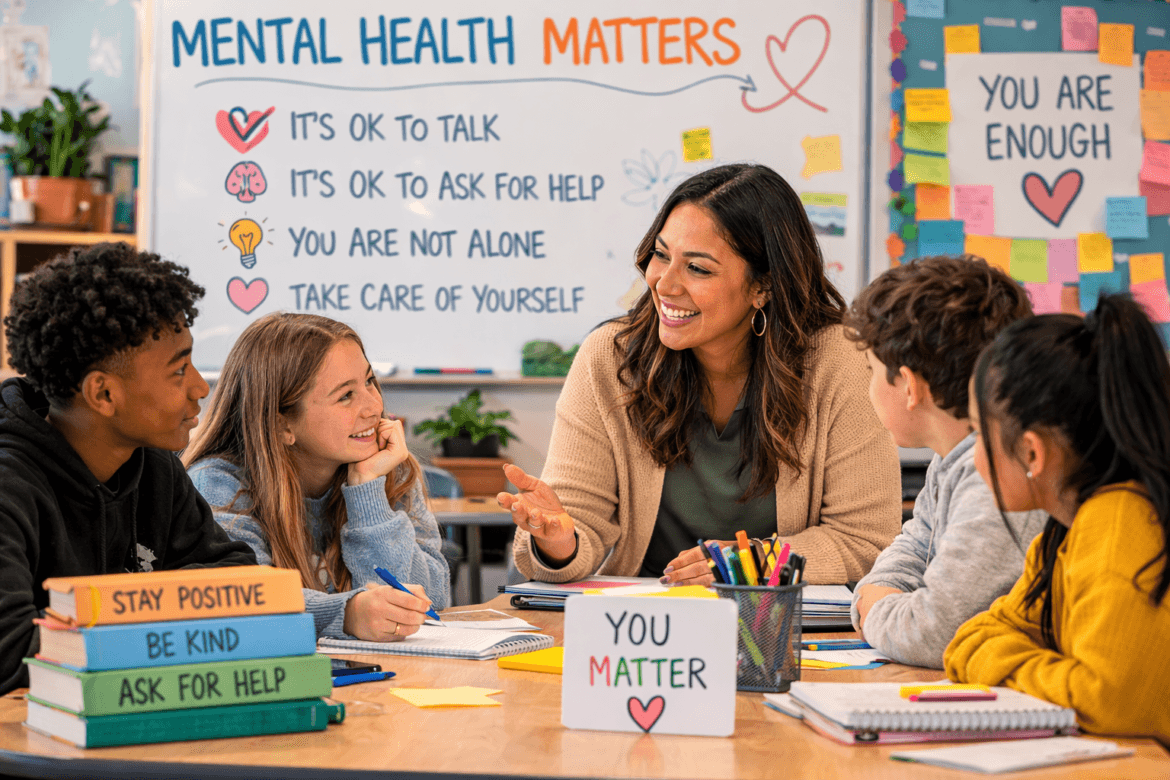
A teacher talks with a group of students at a table in a classroom decorated with student mental health awareness posters and motivational signs.
Hot Topics - controversialK-12School CounselorsSocial-Emotional Learning

Student Mental Health: A Growing Focus in Schools

by EdCircuit Staff April 16, 2026
written by EdCircuit Staff 6 minutes read

Student mental health is becoming one of the most important issues in education as schools work to support wellbeing, academic success, and positive learning environments. Across classrooms, counseling offices, and district leadership meetings, educators are recognizing that student learning cannot be separated from emotional health. When students feel safe, supported, and connected, they are far more prepared to focus, participate, and succeed academically.

Today’s students arrive at school carrying a wide range of pressures—from academic expectations and social dynamics to family responsibilities and the constant influence of digital life. For many educators, the signs are visible in everyday classroom experiences: students who once eagerly participated may become quiet or withdrawn, while others struggle to concentrate or feel overwhelmed by assignments that once felt manageable.

These observations are not simply anecdotal. They reflect a growing understanding within education that emotional well-being plays a critical role in how students learn, interact, and grow. As a result, schools across the country are expanding their focus beyond academic outcomes alone to include the broader conditions that allow students to thrive.

Why Student Mental Health Has Become a Central Education Conversation

For many years, mental health challenges were often addressed quietly within school counseling offices. Today, the conversation has moved into classrooms, leadership meetings, and policy discussions.

Educators increasingly recognize that emotional well-being and academic performance are closely connected. Students who feel anxious, overwhelmed, or disconnected may struggle to focus on instruction, participate in discussions, or complete assignments. Conversely, students who feel supported and confident are more likely to engage with challenging material and take intellectual risks in their learning.

This shift in awareness has encouraged schools to look more closely at how they support students throughout the school day. Rather than viewing mental health as separate from education, many educators now see it as an essential foundation for learning.

When students feel emotionally secure, classrooms become spaces where curiosity, creativity, and collaboration can flourish.

The Expanding Role of School Counselors

One of the most visible responses to rising student mental health needs is the evolving role of school counselors and student support staff.

Today’s counseling departments support students in a wide range of ways. In addition to college and career planning, counselors help students manage stress, navigate social challenges, and build coping strategies that support both academic and personal development.

Counselors often work closely with teachers, administrators, and families to identify students who may need additional support. These professionals help create intervention plans, facilitate conversations with families, and connect students with additional resources when needed.

In many schools, multidisciplinary teams—including counselors, school psychologists, and social workers—collaborate to ensure that students receive the support they need to remain engaged in their learning.

Equally important is the proactive work counselors do with students. Workshops, classroom lessons, and small-group discussions help students develop skills such as emotional awareness, communication, and resilience—skills that benefit students long after graduation.

Teachers as Frontline Observers

While counselors provide specialized support, teachers are often the first adults to notice when a student may be struggling.

Teachers see students every day. They observe how students interact with classmates, how they approach assignments, and how their engagement changes over time. These observations make teachers essential partners in identifying students who may need additional support.

A teacher may notice that a student who once participated regularly in class discussions has become unusually quiet. Another student who typically completes assignments on time may begin falling behind or appear distracted during lessons.

These early signals allow teachers to communicate with counselors and support staff before challenges become more serious. When schools create clear systems for collaboration between teachers and student support teams, students benefit from a network of adults working together to support their well-being.

At the same time, teachers themselves need support and training. Understanding how to respond appropriately to student concerns and knowing when to involve counselors are essential parts of creating effective school-wide support systems.

Creating School Environments That Support Wellbeing

Beyond individual interventions, many schools are taking a broader look at how school culture can support student wellbeing.

One widely adopted approach involves integrating social-emotional learning (SEL) into classroom instruction. SEL programs help students develop skills such as emotional regulation, empathy, collaboration, and responsible decision-making.

These skills are not separate from academic learning. Students who can manage stress, communicate effectively, and work with others are often better equipped to engage in complex academic tasks.

Schools are also exploring ways to design environments that encourage balance and connection. Some districts have introduced wellness spaces where students can take short breaks or speak with counselors. Others are creating advisory periods where students build stronger relationships with teachers and peers.

Even small changes—such as incorporating reflective activities, collaborative discussions, or moments of mindfulness—can help create classroom environments where students feel more supported and connected.

The Importance of Families and Community Partnerships

Supporting student mental health is not a responsibility schools can carry alone. Families and communities play an essential role in helping young people develop resilience and healthy coping strategies.

Strong communication between schools and families allows educators and parents to work together when concerns arise. When schools share information about available resources and support systems, families can better understand how to help their children navigate challenges.

Community partnerships are also becoming increasingly valuable. Many schools collaborate with local healthcare providers, youth organizations, and mental health professionals to expand the services available to students.

These partnerships help schools build networks of support that extend beyond the classroom and into the broader community.

What This Means for the Future of Education

The growing focus on student mental health represents an important shift in how educators think about learning and development.

For decades, education systems measured success primarily through academic performance. While academic achievement remains essential, schools are increasingly recognizing that emotional well-being plays a critical role in helping students reach their potential.

Schools that prioritize mental health are not lowering expectations. Instead, they are creating environments where students are better prepared to meet those expectations.

When students feel supported and connected, they are more likely to attend school regularly, participate in classroom activities, and pursue academic goals with confidence.

Building Schools Where Students Can Thrive

As schools continue to evolve, student mental health will remain an essential part of the conversation about education’s future.

Educators, families, and policymakers all share a common goal: helping young people develop the knowledge, skills, and confidence they need to succeed in life. Achieving that goal requires environments where students feel valued, supported, and ready to learn.

By strengthening support systems, fostering positive school cultures, and prioritizing student well-being, schools are building foundations that allow students not only to succeed academically but to thrive as individuals in an increasingly complex world.

Subscribe to edCircuit to stay up to date on all of our shows, podcasts, news, and thought leadership articles.

April 16, 2026 0 comments
0 FacebookTwitterPinterestLinkedinWhatsappCopy LinkEmail
Newer Posts
Older Posts

Participate

  • Contribute
  • Sponsor
  • Submit Release
  • Subscribe
  • Get Interviewed

We value your privacy

We use cookies to enhance your browsing experience, serve personalized ads or content, and analyze our traffic. By clicking "Accept All", you consent to our use of cookies.

Customize
  • Needed for the site to work: signing in, the cart, your consent choice. Always on.

    8 cookies
    • ss_consent 1 yearYour cookie choice on this site, so you are not asked again.
    • wordpress_logged_in_* 2 days, or 14 days with "remember me"Keeps you signed in as you move between pages.
    • wordpress_sec_* 2 days, or 14 days with "remember me"The secure half of your sign-in.
    • wordpress_test_cookie SessionChecks that your browser accepts cookies when you sign in.
    • wp-settings-* 1 yearYour display settings when signed in.
    • wp_woocommerce_session_* 2 daysYour shopping session: the cart and the checkout.
    • woocommerce_cart_hash SessionTells the site whether your cart has changed.
    • woocommerce_items_in_cart SessionWhether your cart holds anything.
  • Remembers choices you make, such as a language or a region, and supports features like live chat.

    1 cookie
    • woocommerce_recently_viewed SessionThe products you looked at, so the site can show them again.
  • Helps us understand how visitors use the site: which pages are read, and for how long.

    2 cookies
    • _ga 2 yearsGoogle Analytics: tells one visitor from another. Set only after you allow analytics.
    • _ga_* 2 yearsGoogle Analytics: keeps your session state. Set only after you allow analytics.
  • Measures how fast pages load so we can make them faster.

  • Used to show you content and offers that match your interests, on this site and elsewhere.

    1 cookie
    • sbjs_* SessionWooCommerce order attribution: where you came from, so a purchase can be credited to the campaign or site that sent you.

Your browser asks us not to sell or share your information (Global Privacy Control), so advertising cookies stay off.

Do not sell or share my personal information

Some cookies from other companies help show you offers on other sites. Tick the box and save your preference to opt out of that sharing; untick it to opt back in at any time.

Your browser sends Global Privacy Control, so this preference is set for you and cannot be changed here.

Sign In

Keep me signed in until I sign out

Forgot your password?

Password Recovery

A new password will be emailed to you.

Have received a new password? Login here

Shopping Cart

Close

No products in the cart.

Close
-
00:00
00:00

Queue

Update Required Flash plugin
-
00:00
00:00

Your cart (items: 0)

Products in cart

Product Details Total
Subtotal $0.00
Shipping and discounts calculated at checkout.
View cart
Go to checkout

Your shopping cart is empty

Return to shop

Notifications