edCircuit
  • Start Here
    • Login
    • Register
    • Subscribe
    • Submit a Press release
    • Advertise or Sponsor
    • Contribute
    • Get Interviewed
  • On the Wire
  • EdTech
    • All EdTech
    • Online Learning
    • Hybrid and Remote Learning
    • Augmented and Virtual Reality
    • ESports
    • Gamification and Game-Based Learning
    • Digital Citizenship
    • EdTech Entrepreneurs
    • Market Trends
    • Future of Education
  • Artificial Intelligence
  • K-12 Education
    • All K-12
    • K-12 Teachers
    • Teaching Strategies
    • Special Education and IEPs
    • Dyslexia
    • Gifted and Advanced Learning
    • Early Childhood, Pre-K and Kindergarten
    • School Calendar
    • Tutoring and Homework Help
    • Attendance and Absenteeism
    • After-School Programs
    • School Counselors
    • Homeschooling
    • School Models
    • Teacher Retention
    • Parents
    • Students
    • STEM and STEAM Education
  • Teaching and Learning
    • Literacy and Reading
    • Math Education
    • Civics and History Education
    • Financial Literacy
    • Assessment and Testing
    • Curriculum and Instruction
    • Personalized Learning
    • Project-Based Learning
    • Social-Emotional Learning
    • Executive Function
    • Creativity
    • Diversity, Equity, Inclusion
  • Professional Development
    • All Professional Development
    • Educators
    • Administrators
    • edLeaders
  • Higher Education
    • All Higher Education
    • College Admissions
    • Career and Technical Education (CTE)
    • Graduation
    • FAFSA and Financial Aid
    • Student Loans
  • Cybersecurity
  • School Safety
    • All School Safety
    • Science and Lab Safety
    • School Design and Facilities
    • Bullying
    • Duty of Care and School Liability
  • Continuing Education
    • All Continuing Education
    • Online Certificate Programs
    • Teaching Jobs and Careers
    • Teacher Appreciation
  • Education Policy and Government
    • All Education Policy
    • Department of Education
    • School Choice
    • Global
    • Advocates
  • EDU Shows
    • All EDU Shows
    • Safer Ed
    • Mind the Gap
    • Education Industry Questions
    • CoffeEd
    • InFocus
    • InformED Report
  • EDU Podcasts
    • All EDU Podcasts
    • Author Chats
    • CoSN The Podcast
    • Education Today
    • Building the Bridge
    • Students Speak
  • Education Industry Guides and Reports
  • Archived Media
    • Future of School: The Podcast
    • Equity Everywhere
  • About edCircuit
  • Subscribe
edCircuit
  • Sign in
Join Free
Home Tags Posts tagged with "higher education"
Tag:

higher education

Follow
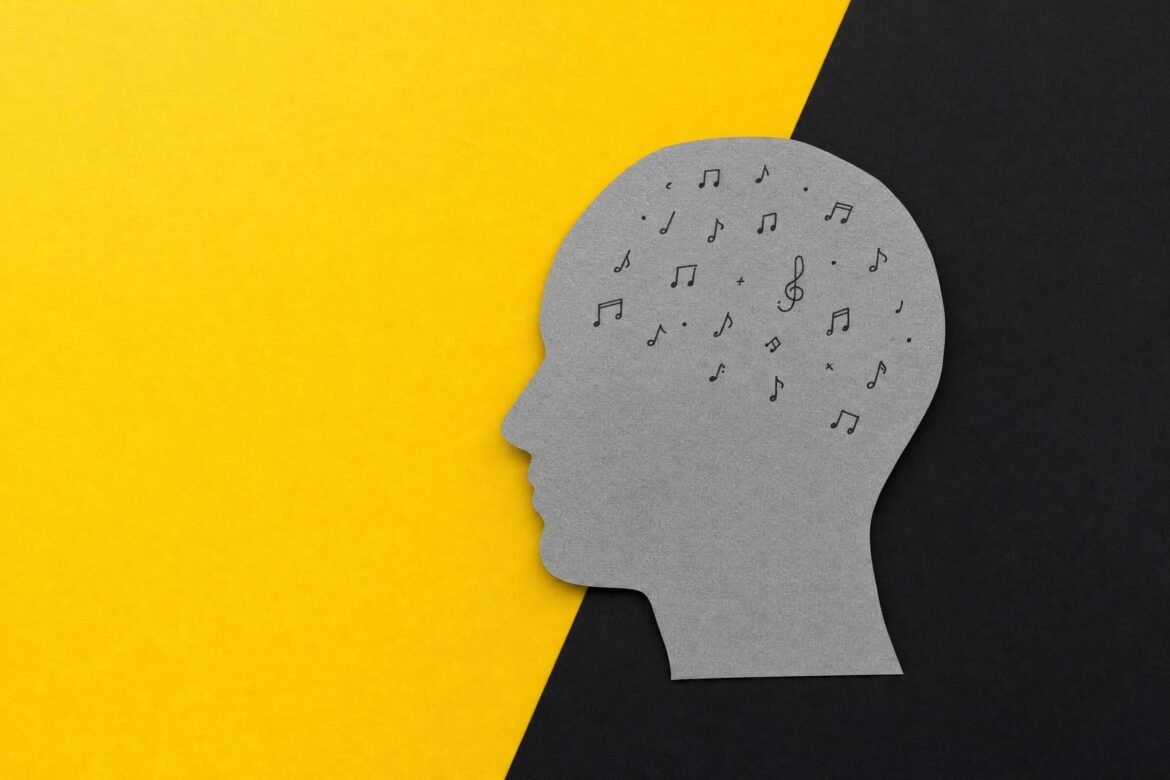
A gray paper cutout of a human head in profile with small music notes drawn inside the skull, on a bright yellow and black background
InformED ReportK-12

InformED: Music Can Improve Memory and Increase Student Attention

by EdCircuit Staff February 22, 2017
written by EdCircuit Staff 4 minutes read

Play video: The InformED Report: Episode 27 (1 minute 34 seconds)1:34

The InformED Report: Episode 271 min 34 sedCircuit on Vimeo

The InformED Report for February 22, 2017 looked at how music can improve memory and increase student attention, drawing on a PBS Parents article about music and learning. The edition also covered a crisis in Thailand’s higher education system despite heavy national spending on education, and a Charlotte School of Law professor who raised money for students after they lost federal loan funding.

The stories ranged from a single classroom to a national budget, but each dealt with a practical question for educators: how resources, whether a song, a ministry or a donation, translate into students who learn and stay in school.

In this edition

  • Thailand spends around 20 percent of its national budget on education, yet its higher education system was described as facing a crisis.
  • PBS Parents reported that music of any genre can help students focus, remember information and learn.
  • Charlotte School of Law professor Scott Sigman started a GoFundMe page that raised more than $5,000 for students who lost federal loan money.

Thailand’s higher education crisis

Thailand spends around 20 percent of its national budget on education, making it one of the highest spenders in the world. Al Jazeera reported that, despite this investment, the country ranked in the bottom quarter internationally in science and mathematics education, and its universities were not producing graduates ready for the workforce.

Udom Kachintorn, former president of the Council of University Presidents, said the higher education system was facing a crisis. Thailand’s Education Ministry recommended turning the Office of the Higher Education Commission into a full ministry, to be called the Ministry of University Affairs, and Udom was appointed to lead a 15-member committee to oversee the change. He noted that the country was producing more social science graduates than it needed while facing shortages in technology and vocational fields. The case is a reminder for education leaders anywhere that the level of spending does not settle outcomes; how the money is governed and matched to workforce needs matters as much.

Music can improve memory and increase student attention

An article from PBS Parents described the power of music to boost memory and learning. Teachers can use music of any genre to engage different parts of the brain. The article cited research at UC Irvine in which memory test scores of Alzheimer’s patients improved when they listened to classical music, and Chris Brewer, founder of LifeSounds Educational Services, said that students of all ages generally find music helps them focus and puts them in a better mood for learning.

Studies also continued to point to the value of learning to play an instrument. Research on young musicians has found that they develop language abilities earlier and show stronger short-term memory, and Mic reported on research suggesting that musicians may also have better developed long-term memories. Much of this evidence comes from small studies and from populations other than typical classrooms, so it supports music as a useful tool for attention and recall rather than a guaranteed gain in achievement. For school leaders weighing cuts to arts programs, it gives reason to count music instruction among the supports for learning rather than as an extra.

InformED Report spotlight: A law professor helps students after a loss of federal aid

Students at the Charlotte School of Law in North Carolina lost access to federal loan money for the spring semester after the U.S. Department of Education found that the school had made substantial misrepresentations about its compliance with American Bar Association accreditation standards. Many students were left without money for tuition, rent and food.

Scott Sigman, director of the school’s clinical programs, created a GoFundMe page to help students with living costs. The ABA Journal reported that the campaign had raised $5,675 toward a goal of $250,000 by January 30, 2017, and Sigman also set up a food pantry for students at the law school. The school reportedly offered students interest-free $1,000 loans while it continued to seek federal aid on their behalf.

Further reading from that week

  • USC News: Children’s brains develop faster with music training
  • NPR: From Mozart To Mr. Rogers: Literacy, Music And The Brain
  • edCircuit: Is Technology Helping To Make Professional Music Composers In the Classroom?

Sources

  • “Inspiring Science: Building Thailand’s Future,” Al Jazeera, January 31, 2017.
  • “Thailand: Proposal to upgrade higher education commission to full ministry gains ground,” Study International News, February 2, 2017.
  • Cheri Lucas, “Boost Memory and Learning with Music,” PBS Parents (the original page is no longer available).
  • Tom Barnes, “Scientists Discovered Something Amazing About Musicians’ Brains,” Mic, November 19, 2014.
  • Stephanie Francis Ward, “Charlotte School of Law prof seeks donations to help students with food and rent,” ABA Journal, January 30, 2017.

About the InformED Report

The InformED Report is edCircuit’s short news program on education. This edition first ran on February 22, 2017. In 2026, edCircuit re-presented it with a new anchor and this full written account. Both report the stories as they stood on that date and link the original reporting, so readers can see exactly where each claim came from.

Subscribe to edCircuit to stay up to date on all of our shows, podcasts, news, and thought leadership articles.

February 22, 2017 0 comments
0 FacebookTwitterPinterestLinkedinWhatsappCopy LinkEmail
U.S. Department of Education seal with a green tree on a blue flag with white stars
Education Policy and GovernmentInformED ReportHigher EducationDepartment of EducationK-12

InformED Report: DeVos Confirmation Controversy

by EdCircuit Staff February 14, 2017
written by EdCircuit Staff 6 minutes read

Play video: The InformED Report: Episode 25 (1 minute 36 seconds)1:36

The InformED Report: Episode 251 min 36 sedCircuit on Vimeo

Two decisions from the first weeks of the Trump administration dominated education news in early February 2017: Betsy DeVos’s nomination as Secretary of Education, and the executive order barring travel from seven majority-Muslim countries. The InformED Report for February 14, 2017 followed both, along with a Massachusetts college’s response to the ban. The spotlight went to a new system in British primary schools for tracking how active children are each day.

In this edition

  • The Senate education committee approved Betsy DeVos 12-11 on party lines, hours after The Washington Post reported passages in her written answers that matched other sources without attribution.
  • More than 17,000 students from the seven countries named in President Trump’s immigration order had studied in the U.S. the previous year, many of them in STEM fields.
  • Wheaton College in Massachusetts planned a full scholarship for a refugee student, with preference for students from the seven countries.
  • A new Healthy Active Schools System launched in the U.K. to give primary schools daily reports on each child’s physical activity.

The DeVos confirmation fight

On January 31, 2017, the Senate Health, Education, Labor and Pensions Committee approved DeVos by a 12-11 vote along party lines, sending her nomination to the full Senate, The Times-Picayune’s Danielle Dreilinger reported. Reaction was intense on both sides: the day before the vote, the paper received one email announcing that more than 1,450,000 people had petitioned the Senate to block her, and another saying support for her continued to grow.

The same morning as the committee vote, The Washington Post reported that some of DeVos’s written answers to Senator Patty Murray, the committee’s ranking Democrat, contained sentences and phrases taken from other sources without attribution, as the Daily Mail’s Nikki Schwab summarized. In one example, DeVos’s answer on bullying of LGBT students closely matched a 2016 statement by Vanita Gupta, who led the Justice Department’s civil rights division under President Obama. The report did not change the committee’s vote.

By the time this edition ran, the outcome was settled. The full Senate confirmed DeVos on February 7, 2017, by 51 votes to 50, with Vice President Mike Pence casting the tie-breaking vote. For school and district leaders, the confirmation fight was a measure of how divided the country was over school choice, and a sign that federal policy on vouchers and charters would stay contested.

The travel ban and international students

President Trump’s executive order, issued on January 27, 2017, barred citizens of seven majority-Muslim countries from entering the United States. In The 74, Mark Keierleber reported that international students and researchers were among those caught by it, with dozens prevented from boarding flights to the U.S. or sent back after landing. More than 17,000 students from Iran, Iraq, Libya, Somalia, Sudan, Syria and Yemen had studied in the U.S. the previous school year, more than 12,000 of them from Iran. More than three quarters of the Iranian students were in STEM fields, and companies including Apple, Google and Facebook warned that the ban threatened their future workforce.

The order’s future was uncertain as this edition went out. A federal judge in Seattle temporarily blocked it on February 3, and on February 9 the Ninth Circuit Court of Appeals declined to reinstate it. For colleges and high schools with international students, it raised practical questions about travel, visas and support for affected families.

Wheaton College’s refugee scholarship

Wheaton College in Massachusetts responded by creating a full scholarship for a refugee escaping conflict, with preference for students from the seven countries named in the order, U.S. News’s Lauren Camera reported. President Dennis Hanno said the college was establishing the Wheaton Refugee Scholarship “as a way of adding our voice to the chorus of people across the country who are calling for the immigration ban to be lifted.” He also described the college as “a global institution that is dedicated to improving the world by advancing knowledge and sharing it.” One scholarship is small set against thousands of affected students, but it was a clear statement.

InformED Report spotlight: tracking activity in British primary schools

In the U.K., a new system for monitoring pupils’ physical activity through the school day launched on January 31, 2017, The Telegraph’s Harry Yorke reported. The Healthy Active Schools System, devised by the children’s activity provider Fit For Sport, gives schools daily reports on each child’s activity and breaks the results down by class and year group so teachers can see where improvement is needed. It was open to all primary schools through their sports premium funding.

The launch came a week after the Royal College of Paediatrics and Child Health reported that 40 percent of children in the most deprived areas were overweight or obese in 2016, against 27 percent in more affluent areas. The government’s Childhood Obesity Strategy called on primary schools to provide 30 minutes of physical activity every day, and the new system was designed to help schools show they were meeting that goal. Measuring activity is a first step rather than a solution, but as one advocate in the article argued, schools cannot judge what works without reliable data.

Further reading from that week

  • MLive: What to expect now that Betsy DeVos is U.S. education secretary
  • The New York Times: Betsy DeVos, Pick for Secretary of Education, Is the Most Jeered
  • The Washington Post: Universities tell judge travel ban hurts schools, students
  • edCircuit: International Students Going Incognito

Sources

  • Danielle Dreilinger, “Betsy DeVos clears one confirmation hurdle: 6 takeaways,” The Times-Picayune, January 31, 2017.
  • Nikki Schwab, “Trump’s pick for education is accused of plagiarizing answers to questionnaire for her confirmation hearing,” The Daily Mail, January 31, 2017.
  • Mark Keierleber, “What Trump’s Ban Means for 17,000 Students From 7 Nations and the Future of the U.S. Tech Industry,” The 74, January 31, 2017.
  • Lauren Camera, “School Offers ‘Refugee Scholarship’ in Protest of Trump Order,” U.S. News & World Report, January 2017.
  • Harry Yorke, “National school exercise scheme launched in bid to tackle childhood obesity,” The Telegraph, January 31, 2017.

About the InformED Report

The InformED Report is edCircuit’s short news program on education. This edition first ran on February 14, 2017. In 2026, edCircuit re-presented it with a new anchor and this full written account. Both report the stories as they stood on that date and link the original reporting, so readers can see exactly where each claim came from.

Subscribe to edCircuit to stay up to date on all of our shows, podcasts, news, and thought leadership articles.

February 14, 2017 2 comments
0 FacebookTwitterPinterestLinkedinWhatsappCopy LinkEmail
Red FREE EDUCATION TO ALL banner hanging from a brick building with a clock and an American flag
InformED ReportHigher EducationCollege AdmissionsFAFSA and Financial Aid

A Closer Look at Free Tuition

by EdCircuit Staff January 27, 2017
written by EdCircuit Staff 4 minutes read

Play video: The InformED Report: Episode 21 (1 minute 36 seconds)1:36

The InformED Report: Episode 211 min 36 sedCircuit on Vimeo

The InformED Report for January 27, 2017 took a closer look at free tuition, as New York Governor Andrew Cuomo proposed covering in-state college tuition for eligible families. The edition also examined whether the record 83 percent U.S. high school graduation rate reflected real learning gains, and it featured two Oakland schools that won $17.2 million in federal school improvement grants.

Each story touched on the same question from a different angle: what it takes to move students successfully from high school into college, and how public money is used to get them there.

In this edition

  • The Washington Post questioned whether the record 83 percent high school graduation rate was inflated by credit recovery programs used in 88 percent of districts.
  • Governor Andrew Cuomo proposed free tuition at New York’s public two- and four-year colleges for families earning up to $125,000 a year.
  • Two Oakland Unified elementary schools were awarded $17.2 million in federal school improvement grants.

Is the record high school graduation rate real?

In mid-October 2016, federal data showed the U.S. high school graduation rate had reached an all-time high of 83 percent for the 2014-15 school year, with gains for every student group, including low-income students, students with disabilities and English learners. In the District of Columbia, the rate rose from 53 percent to 69 percent, the largest increase anywhere.

A January column by Jay Mathews in The Washington Post argued that the figure may be an illusion. Mathews pointed to the spread of credit recovery, used by 88 percent of school districts, in which students who fail a course can make up the credit, often through an online course. Reports suggested the bar for passing those courses had been lowered, and Mathews noted that no research showed the higher graduation numbers reflected learning gains. For district leaders, the column raised a practical point: a graduation rate is only as meaningful as the standards behind each credit, and credit recovery programs need the same scrutiny as regular coursework.

A closer look at free tuition in New York

Governor Andrew Cuomo proposed free in-state tuition at New York’s public colleges for eligible residents. He announced the plan at LaGuardia Community College in Queens alongside Senator Bernie Sanders, who had campaigned for free tuition at public colleges during his presidential run. The proposal, called the Excelsior Scholarship, would cover tuition at two- and four-year public colleges for families earning up to $125,000 a year.

Critics responded quickly. Many said the plan did not do enough for low-income students, whose tuition is often already covered by federal and state aid. Robert Kelchen, a professor at Seton Hall University, pointed out that students face many expenses in addition to tuition. For high school counselors and college access staff, the debate was a reminder that “free tuition” and “free college” are different things, and that families need help planning for the full cost of attendance.

InformED Report spotlight: Oakland schools win $17.2 million in improvement grants

Two East Oakland elementary schools, Futures Elementary School and Community United Elementary School, were awarded a combined $17.2 million in federal school improvement grants. The five-year grants come through the California Department of Education. Both schools share the Havenscourt-Lockwood campus and serve mainly low-income students, many of them English learners.

School leaders welcomed what they described as a second chance. David Montes de Oca, the district’s senior deputy chief of continuous school improvement, said the district was committed to using the funds to raise the quality of education over the long term. A five-year grant of that size allows a school to plan staffing and programs over several years rather than one budget cycle at a time.

Further reading from that week

  • The New York Times: Private Colleges Suggest New York’s Free Tuition Plan Limits Choices
  • The Sundial: A master plan for free tuition
  • The Wall Street Journal: Betsy DeVos Questioned by Bernie Sanders on Wealth, Free Tuition

Sources

  • Emma Brown and Alejandro Matos, “Nation’s high school graduation rate reaches new record high,” The Washington Post, October 17, 2016.
  • Jay Mathews, “Why surging high school graduation rates might be a mirage,” The Washington Post, January 8, 2017.
  • “Gov. Andrew Cuomo calls for free tuition at New York public colleges,” ABC7 New York, January 3, 2017.
  • James S. Murphy, “The Gaps in New York’s Free-College Plan,” The Atlantic, January 10, 2017.
  • Joyce Tsai, “Oakland: Two schools to share $17.2 million school improvement grant,” East Bay Times, December 15, 2016.

About the InformED Report

The InformED Report is edCircuit’s short news program on education. This edition first ran on January 27, 2017. In 2026, edCircuit re-presented it with a new anchor and this full written account. Both report the stories as they stood on that date and link the original reporting, so readers can see exactly where each claim came from.

Subscribe to edCircuit to stay up to date on all of our shows, podcasts, news, and thought leadership articles.
January 27, 2017 0 comments
0 FacebookTwitterPinterestLinkedinWhatsappCopy LinkEmail
Mostly empty STEM classroom in Kuala Lumpur, declining STEM students
InformED Report

InformED Report 12/13/16

by EdCircuit Staff December 13, 2016
written by EdCircuit Staff 6 minutes read

Play video: The InformED Report: Episode 14 (1 minute 59 seconds)1:59

The InformED Report: Episode 141 min 59 sedCircuit on Vimeo

The InformED Report for December 13, 2016 opened with efforts to bring more students into science, technology, engineering and math, from a national plan in Malaysia to a new STEM academy in Texas and a robotics class in Minnesota. It then turned to campuses after the presidential election, where more than 100 college presidents asked President-elect Donald Trump to speak out against harassment, and an Iowa lawmaker proposed penalizing colleges that offered students post-election counseling. The edition closed on a Stanford study showing how easily students are fooled by what they read online.

In this edition

  • Malaysia’s Education Ministry drafted a 2017-2025 national STEM action plan to reverse falling STEM enrollment.
  • Texas’s Mansfield school district approved $5.6 million for a STEM academy, and a Minnesota school taught seventh and eighth graders to program robots.
  • One hundred and ten college presidents urged President-elect Trump to condemn harassment and hate.
  • Iowa Rep. Bobby Kaufmann planned a “suck it up, buttercup” bill aimed at colleges’ post-election programs.
  • A Stanford study found 82 percent of middle schoolers could not tell sponsored content from a real news story.

Malaysia drafts a national STEM plan

The Malaysian Digest reported that Malaysia’s Education Ministry was drafting a 2017-2025 National Science, Technology, Engineering and Mathematics Action Plan to counter the declining number of students choosing the STEM stream. Deputy Education Minister Datuk P. Kamalanathan told parliament that the plan, to be carried out with the Higher Education Ministry and the Ministry of Science, Technology and Innovation, would focus on eight areas. They included teaching and learning policies and facilities, awareness, careers, strategic cooperation, data and research, and commercialization and innovation. The list reached well beyond the classroom, to awareness, careers and research, a sign that the ministry treated the decline as more than a teaching problem.

U.S. schools recruit early for STEM

In Texas, Amanda Rogers of the Star-Telegram reported that Mansfield school district trustees voted 6-0 on November 15 to spend $5.6 million renovating the annex behind Wester Middle School for a STEM academy. The board also voted to build a $14.9 million early childhood literacy center for 3- and 4-year-olds and for children in its Preschool Program for Children with Disabilities.

In Minnesota, U.S. News carried a report from the St. Cloud Times on Stephen Larson’s computer programming course for seventh and eighth graders at St. John’s Preparatory School. Over a semester, students learn the basics of programming on iPads and then program Arduino robots, working by trial and error. “I think technology is helping kids understand programming quicker and faster,” Larson said, adding that more students were joining in as it became easier. For district leaders, the two stories showed different scales of the same strategy: a dedicated campus where the budget allows, and a single well-designed middle school course where it does not.

College presidents ask the president-elect to speak out

Inside Higher Ed’s Scott Jaschik reported that 110 college and university presidents had signed a joint letter urging President-elect Trump to “condemn and work to prevent the harassment, hate and acts of violence” being reported across the country, including on campuses. More presidents signed after it first circulated. Mariko Silver, president of Bennington College, led the effort to organize the letter. She said students needed to hear from the country’s future leadership that they would be safe from harassment, and stressed that the letter did not align its signers with any political view. Most signers led private institutions, many of them liberal arts colleges, and seven led historically Black colleges. Silver suggested that leaders of public universities might need to consult more widely before signing such a letter.

An Iowa bill aimed at post-election campus programs

The Washington Post’s Samantha Schmidt reported on a different response. After the election, some campuses held rallies, counselors offered “healing spaces,” and some professors canceled classes or let students skip tests. Bobby Kaufmann, a Republican in the Iowa House, said he found the “whole hysteria to be incredibly annoying” and planned to introduce what he called the “suck it up, buttercup” bill when the legislature met in January. It would cut the budgets of state universities that used taxpayer money for election-related programs beyond their usual student services, by double the amount spent. He also said it would create new criminal penalties for protesters who shut down highways. The two stories marked out the choice in front of campus leaders that fall: how to support students who felt threatened without being seen by lawmakers as indulging them.

Students and fake news

In The Wall Street Journal, Sue Shellenbarger reported on a Stanford University study of 7,804 students from middle school through college, the largest yet on how young people judge information online. Some 82 percent of middle schoolers could not tell an ad labeled “sponsored content” from a real news story. More than two in three middle schoolers saw no reason to distrust a post by a bank executive arguing that young adults need more financial-planning help. Nearly four in 10 high school students accepted a photo of deformed daisies as strong evidence of toxic conditions near the Fukushima nuclear plant, though it gave no source or location. Many students judged tweets by their detail or the size of the photo rather than by who posted them.

Writing for edCircuit, Elizabeth Osborne argued that schools teach students about online predators and inappropriate posts but rarely teach them to tell what is true. She offered teachers a short list to use with students: check the URL carefully; use Wikipedia, whose content must be neutral and verifiable from reliable sources; search for the story to see whether other sites carry it or have debunked it; use a fact-checking site such as Snopes; and look into the source itself. For school leaders, the Stanford results made a case for teaching these habits in every subject, since students meet unreliable information everywhere they read.

Sources

  • Malaysian Digest, “Education Ministry Drafts Action Plan To Deal With Declining STEM Students,” 2016.
  • Amanda Rogers, “Mansfield school district approves pre-k, STEM campuses,” Fort Worth Star-Telegram, November 2016.
  • U.S. News & World Report, from the St. Cloud Times, “Minnesota High School Students Learn to Program Robots,” 2016.
  • Scott Jaschik, “President’s Message to President-Elect,” Inside Higher Ed, November 18, 2016.
  • Samantha Schmidt, “The ‘suck it up, buttercup’ bill: Iowa lawmaker targets post-election campus ‘hysteria’,” The Washington Post, November 16, 2016.
  • Sue Shellenbarger, “Most Students Don’t Know When News Is Fake, Stanford Study Finds,” The Wall Street Journal, November 2016.
  • Elizabeth Osborne, “The Hidden Danger of Social Media: Fake News,” edCircuit, 2016.

About the InformED Report

The InformED Report is edCircuit’s short news program on education. This edition first ran on December 13, 2016. In 2026, edCircuit re-presented it with a new anchor and this full written account. Both report the stories as they stood on that date and link the original reporting, so readers can see exactly where each claim came from.

Subscribe to edCircuit to stay up to date on all of our shows, podcasts, news, and thought leadership articles.

December 13, 2016 0 comments
0 FacebookTwitterPinterestLinkedinWhatsappCopy LinkEmail
Two open human hands held up against a cloudy sky, painted with a colorful map of the world's continents and oceans
K-12Education Policy and GovernmentGlobalInformED ReportVideosDiversity, Equity, InclusionHigher Education

InformED Report 11/29/16

by EdCircuit Staff November 29, 2016
written by EdCircuit Staff 5 minutes read

Play video: The InformED Report: Episode 11 (1 minute 41 seconds)1:41

The InformED Report: Episode 111 min 41 sedCircuit on Vimeo

The InformED Report for November 29, 2016 looked abroad. In London, students and lecturers marched against a government bill that would let well-rated universities raise tuition fees and make it easier for new providers to call themselves universities. In Warsaw, teachers and parents protested a plan to close Poland’s middle schools. The edition ended in Finland, where schools were bringing in phenomenon-based teaching, and with a look at what American schools might learn from the Finnish system.

In this edition

  • Thousands of students and lecturers marched in London against the government’s higher education bill and rising tuition fees.
  • Teachers and parents rallied in Warsaw against a plan to phase out Poland’s middle schools, with estimates ranging from 15,000 to 50,000.
  • Finland introduced phenomenon-based teaching, built around real-world topics that cross subject lines.
  • Business Insider set out four things Finland does differently, as Finland ranked 12th and the U.S. 36th on PISA.

Students march in London for free education

On Saturday, November 19, students and lecturers marched through central London in a demonstration organized by the National Union of Students (NUS) and the University and College Union. Estimates of the crowd varied widely. Breitbart London put it at about 15,000, while a Press Association report carried by the Daily Mail described hundreds of demonstrators. The marchers called for free, quality education and carried signs on tuition fees and wider politics.

Their main target was the government’s Higher Education and Research Bill. In The Guardian, Rebecca Ratcliffe explained that the bill would introduce a teaching excellence framework to rank universities by quality, and would let the best-performing institutions raise their fees in line with inflation. It would also make it easier for new institutions, including for-profit ones, to gain the title of university, a status that had usually taken decades to earn. NUS president Malia Bouattia called the plans a risky “market experiment.” The union’s vice president for higher education, Sorana Vieru, told the crowd that the changes were “not about the needs of students, but about the needs of businesses.” Labour leader Jeremy Corbyn sent a video message of support.

For American readers, the argument had a familiar shape. Tying what a university may charge to a quality rating, and opening the field to for-profit providers, raised the same questions that U.S. regulators and families were asking about cost, quality and who protects students when a new provider fails.

Poland’s teachers protest school reform

In Warsaw, teachers and parents protested the conservative Law and Justice government’s plan to change the school system. DW reported that organizers counted up to 50,000 people on Pilsudski Square, while police put the figure closer to 30,000. ABC News, reporting for the Associated Press, gave a police estimate of 15,000. The plan would replace the three-tier system with two levels by phasing out the three-year middle schools, which the Associated Press described as serving children aged 12 to 16. Poland would return to the model used under communism, an eight-year primary school followed by a four-year secondary school. The middle schools had been introduced in 1999, also over strong objections.

The Education Ministry said the middle schools did a poor job of educating students. Teachers feared losing their jobs when the schools closed, and protesters also objected to proposed curriculum changes that would include “patriotic values” favored by the ruling party. Slawomir Broniarz, head of Poland’s main teachers’ union, urged the government “not to destroy the assets” of the existing system. For any system leader, the protest was a reminder that restructuring grades moves people as well as students. Closing a whole tier of schools changes where every teacher in that tier works.

Finland and phenomenon-based teaching

Finland has long been held up as a model, and its schools were trying something new. Chris Brandt of the University Herald reported that the country’s new national curriculum framework, which took effect in 2016, emphasized a multidisciplinary approach through phenomenon-based teaching. Students study real-world phenomena, such as climate change, their community or the European Union, from several points of view, so that a single topic draws on many subjects at once. It resembles problem-based learning, but deliberately crosses the lines between subjects.

Business Insider’s Abby Jackson noted that Finland’s PISA ranking had slipped to 12th in the most recent results, still well above the U.S. at 36th. She described four differences. Finland relies far less on standardized testing, with one major exam, the National Matriculation Examination, at the end of high school, graded by teachers. Finnish law requires a 15-minute break for every 45 minutes of instruction. College is free, including master’s and doctoral programs and for foreign students. And teaching is a highly respected profession with a high bar to entry: only about one in 10 applicants to teacher education programs is admitted.

The comparison came with limits. Rankings measure outcomes, not which policy caused them, and Finland is a small country with its own history and funding. Still, for U.S. leaders interested in interdisciplinary units or in longer breaks, Finland offered working examples to study rather than a package to copy.

Sources

  • Breitbart London, “Students march through London demanding free university education,” Breitbart, November 19, 2016.
  • Rebecca Ratcliffe, “Students and lecturers march against Tories’ education bill,” The Guardian, November 19, 2016.
  • Press Association, “Demonstrators marching in London urge more funding for education,” Daily Mail, November 2016.
  • DW, “Thousands of teachers in Poland protest government education reforms,” November 2016.
  • Monika Scislowska, “Poland’s Teachers Protest Education Reform, Feared Jobs Loss,” Associated Press via ABC News, November 2016.
  • Abby Jackson, “Finland has one of the best education systems in the world — here are 4 things it does better than the US,” Business Insider, November 16, 2016.
  • Chris Brandt, “Finland Education Reform Introduces Phenomenon-Based Teaching,” University Herald, November 19, 2016.

About the InformED Report

The InformED Report is edCircuit’s short news program on education. This edition first ran on November 29, 2016. In 2026, edCircuit re-presented it with a new anchor and this full written account. Both report the stories as they stood on that date and link the original reporting, so readers can see exactly where each claim came from.

Subscribe to edCircuit to stay up to date on all of our shows, podcasts, news, and thought leadership articles.
November 29, 2016 0 comments
0 FacebookTwitterPinterestLinkedinWhatsappCopy LinkEmail
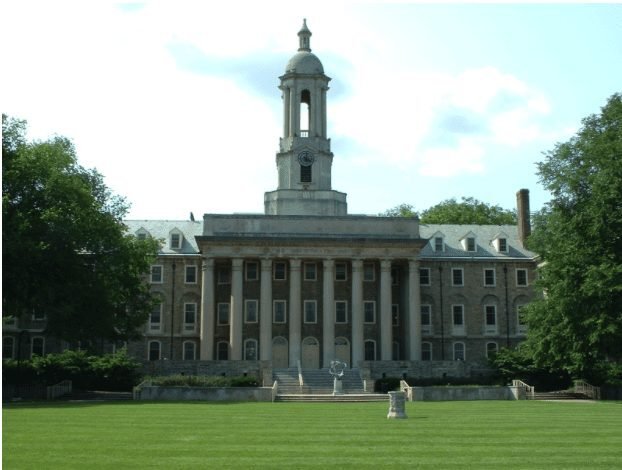
Historic university building with tall columns and a clock tower behind a wide lawn and trees
K-12InformED Report

InformED Report 11/07/16

by EdCircuit Staff November 7, 2016
written by EdCircuit Staff 6 minutes read

Play video: The InformED Report: Episode 6 (1 minute 51 seconds)1:51

The InformED Report: Episode 61 min 51 sedCircuit on Vimeo

On October 19, 2016, faculty at 14 Pennsylvania state universities walked off the job in the first strike in the state system’s history. The InformED Report for November 7, 2016 opened with that strike and the deal that ended it on its third day. It then looked at a report showing that many states were still spending less on schools than before the Great Recession, and at the record high school graduation rate President Obama announced in October.

In this edition

  • Thousands of faculty at 14 Pennsylvania state universities went on strike, the first walkout in the system’s nearly 34-year history, and reached a tentative contract two days later.
  • At least 23 states were providing less general funding per student in 2016-17 than in 2008, according to the Center on Budget and Policy Priorities.
  • The U.S. high school graduation rate reached a record 83.2 percent for the 2014-15 school year.

Pennsylvania’s state university faculty strike

Thousands of faculty members and coaches went on strike on Wednesday, October 19, at the 14 universities of the Pennsylvania State System of Higher Education. Erin McCann and Richard Pérez-Peña reported in The New York Times that it was the first walkout in the system’s nearly 34-year history. Their union, the Association of Pennsylvania State College and University Faculties, had been without a contract since June 30, 2015. The Times placed the strike in a wider pattern: that same year, faculty at California State University and the City University of New York had come within days or weeks of striking. “Labor issues are far more prominent on the radar screen of higher education than they were 10 or 20 years ago,” said Terry W. Hartle of the American Council on Education.

Students were divided. The Morning Call found Kutztown students on the picket lines and others simply confused. Liv Sun, a 19-year-old Kutztown sophomore and student organizer, said students were “against all the fundamental changes the state is trying to push through.” Others said they had been told to keep going to class with no answers about what would happen to their credits.

The strike was short. NPR’s Sonari Glinton reported that on Friday, October 21, the union and the state system reached a tentative three-year contract. It included pay increases and allowed the state to reduce health care costs, and the state withdrew proposals the union had opposed, including cutting adjunct wages and having graduate students teach more classes. “I wouldn’t say we got what we wanted,” said union president Kenneth Mash. The deal still had to be ratified by the union and the system’s board of governors.

States still spending less than before the recession

Emma Brown of The Washington Post reported on a study by the Center on Budget and Policy Priorities, which the Post described as a left-leaning think tank. By 2014, 35 states were spending less per student in total than they had in 2008. Looking at general or “formula” funding, the main form of state support for schools, at least 23 states were providing less per student in the 2016-17 school year than in 2008. “Public investment in K-12 schools,” said co-author Michael Leachman, “has declined dramatically in recent years” in too many states.

In a Huffington Post opinion column, Harlan Green drew a partisan conclusion from the same report. He noted its finding that eight states had cut general funding per student by about 10 percent or more, and that five of them, Arizona, Kansas, North Carolina, Oklahoma and Wisconsin, had enacted income tax rate cuts rather than restore school funding. Those cuts came as schools nationally had 1.1 million more K-12 students to educate.

The study’s numbers and the column’s argument are different kinds of evidence. The first is a survey of state budget documents. The second is an interpretation of why the budgets looked that way. For superintendents in the affected states, the numbers alone explained a great deal. When state formula aid falls behind enrollment and inflation, districts either raise local money or cut, and many of the cuts of 2008 had not been reversed eight years later.

A record high school graduation rate

On October 17, 2016, President Barack Obama visited Benjamin Banneker Academic High School in Washington, D.C., to announce that the U.S. high school graduation rate for 2014-15 had reached 83.2 percent, the highest on record. CNN’s Allie Malloy reported that, according to the National Center for Education Statistics, every group of students, by race, income and disability, had improved, though significant gaps remained between them. The Associated Press noted that the District of Columbia made the biggest one-year gain, seven percentage points, and that Banneker had graduated all of its seniors.

The good news came with a caution. The AP pointed out that the gains arrived against a backdrop of falling scores on national math and reading tests. Education Secretary John B. King Jr. acknowledged the concern: “A higher graduation rate is meaningful progress, but certainly we share the concern that we have more work to do to make sure every student graduates ready for what’s next.” Obama urged the students to fill out the FAFSA and told them they would need more than a diploma in a job market where machines could do repetitive work.

For high school leaders, the record was worth recognizing and worth testing. A graduation rate counts the students who finish; it says less about what they can do when they leave. Pairing graduation figures with evidence of readiness, such as course completion, college enrollment and remediation rates, gives a school a fuller picture of whether its gains are real.

Sources

  • Erin McCann and Richard Pérez-Peña, “Faculty Members at 14 State Universities in Pennsylvania Go on Strike,” The New York Times, October 19, 2016.
  • Jacqueline Palochko, Andrew Wagaman and Christina Tatu, “What students, faculty are saying about the state university strike,” The Morning Call, October 2016.
  • Sonari Glinton, “Breakthrough In Strike By Pennsylvania Professors,” NPR, October 21, 2016.
  • Emma Brown, “These states are spending less on education now than before the Great Recession,” The Washington Post, October 20, 2016.
  • Harlan Green, “Greed Is Destroying K-12 Education System,” The Huffington Post, October 2016.
  • Allie Malloy, “Obama highlights record high school graduation rate,” CNN Politics, October 17, 2016.
  • The Associated Press, “High school graduation rate hits record high of 83.2 percent,” WTOP, October 2016.

About the InformED Report

The InformED Report is edCircuit’s short news program on education. This edition first ran on November 7, 2016. In 2026, edCircuit re-presented it with a new anchor and this full written account. Both report the stories as they stood on that date and link the original reporting, so readers can see exactly where each claim came from.

Subscribe to edCircuit to stay up to date on all of our shows, podcasts, news, and thought leadership articles.

November 7, 2016 0 comments
0 FacebookTwitterPinterestLinkedinWhatsappCopy LinkEmail
Newer Posts
Older Posts

Participate

  • Contribute
  • Sponsor
  • Submit Release
  • Subscribe
  • Get Interviewed
edCircuit

edCircuit emPowers the voices of education, with hundreds of  trusted contributors, change-makers and industry-leading innovators.

Washington, DC

Share your voice

  • Contribute
  • Sponsor
  • Submit Release
  • Subscribe
  • Get Interviewed

Follow edCircuit

  • LinkedIn
  • X
  • Facebook
  • Pinterest

Learn more

  • Our Reach
  • edCircuit Media
  • Careers

YouTube channel

  • YouTube

@edcircuit

Copyright © 2014-2026, edCircuit Media – emPowering the Voices of Education.

We value your privacy

We use cookies to enhance your browsing experience, serve personalized ads or content, and analyze our traffic. By clicking "Accept All", you consent to our use of cookies.

Customize
  • Needed for the site to work: signing in, the cart, your consent choice. Always on.

    8 cookies
    • ss_consent 1 yearYour cookie choice on this site, so you are not asked again.
    • wordpress_logged_in_* 2 days, or 14 days with "remember me"Keeps you signed in as you move between pages.
    • wordpress_sec_* 2 days, or 14 days with "remember me"The secure half of your sign-in.
    • wordpress_test_cookie SessionChecks that your browser accepts cookies when you sign in.
    • wp-settings-* 1 yearYour display settings when signed in.
    • wp_woocommerce_session_* 2 daysYour shopping session: the cart and the checkout.
    • woocommerce_cart_hash SessionTells the site whether your cart has changed.
    • woocommerce_items_in_cart SessionWhether your cart holds anything.
  • Remembers choices you make, such as a language or a region, and supports features like live chat.

    1 cookie
    • woocommerce_recently_viewed SessionThe products you looked at, so the site can show them again.
  • Helps us understand how visitors use the site: which pages are read, and for how long.

    2 cookies
    • _ga 2 yearsGoogle Analytics: tells one visitor from another. Set only after you allow analytics.
    • _ga_* 2 yearsGoogle Analytics: keeps your session state. Set only after you allow analytics.
  • Measures how fast pages load so we can make them faster.

  • Used to show you content and offers that match your interests, on this site and elsewhere.

    1 cookie
    • sbjs_* SessionWooCommerce order attribution: where you came from, so a purchase can be credited to the campaign or site that sent you.

Your browser asks us not to sell or share your information (Global Privacy Control), so advertising cookies stay off.

Do not sell or share my personal information

Some cookies from other companies help show you offers on other sites. Tick the box and save your preference to opt out of that sharing; untick it to opt back in at any time.

Your browser sends Global Privacy Control, so this preference is set for you and cannot be changed here.

Sign In

Keep me signed in until I sign out

Forgot your password?

Password Recovery

A new password will be emailed to you.

Have received a new password? Login here

Shopping Cart

Close

No products in the cart.

Close
-
00:00
00:00

Queue

Update Required Flash plugin
-
00:00
00:00

Your cart (items: 0)

Products in cart

Product Details Total
Subtotal $0.00
Shipping and discounts calculated at checkout.
View cart
Go to checkout

Your shopping cart is empty

Return to shop

Notifications