The Quiet Months: Why Winter Decides Our School Year
Why winter attendance is the true test of a school year—and how proactive relationships keep students connected.

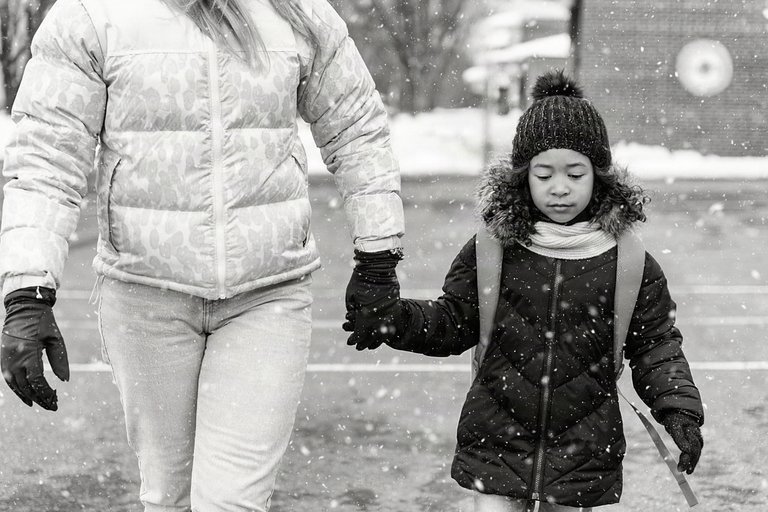
Superintendent Atiya Y. Perkins explains why winter attendance shapes the school year and how districts can reach students early.
Every superintendent has a stretch of the year they watch a little more closely than the rest. Mine arrives without much fanfare, somewhere between Thanksgiving and the first warm week of March.
No one holds a press conference about winter attendance. There is no single bad day to point to, no headline, no emergency board meeting. The empty seats pile up a few at a time. A sixth grader stays home with a cough, falls behind in math, and never quite finds her footing again. A junior picks up extra shifts over winter break to help with the heating bill and keeps working them into January. A family’s only car won’t start on a 15-degree morning, and one missed Monday quietly becomes a missed week.
None of these moments looks like a crisis on its own. Together, they shape how the rest of the school year goes for thousands of students in Linden and millions more across the country.

I graduated from the district I now lead, so I know what a January morning feels like at a Linden bus stop. I also know how quietly a student slips away during these months, often without anyone noticing until spring.
Why Winter Hits Hardest
Attendance follows a pattern most educators recognize. Students arrive in September with new backpacks and fresh energy. By December, the novelty has worn off, and the hardest part of the calendar lies ahead.
Winter stacks pressures on families all at once. Flu and cold season sweeps through classrooms and homes. For families without a regular doctor, one sick day turns into three because there is no easy way to get a note, a prescription, or a straight answer. Holiday expenses and heating bills squeeze household budgets, and older students often step in by working more hours. When a younger sibling’s day care closes for a snow day or an illness, the oldest child in the house frequently becomes the backup plan.
Then comes winter break. Two weeks away from school is a welcome rest for most students. For a student who was already hanging on by a thread in the fall, those two weeks are long enough to lose the rhythm entirely. Walking back through the doors in January means facing missed assignments, a teacher who might be disappointed, and classmates who seem to have moved on. Staying home starts to feel easier than going back.
The cold and dark add their own weight. Many of our students wait for buses or walk to school before the sun has fully come up. A missing winter coat or a pair of worn-out sneakers sounds like a small thing. On a frigid morning, the coat or the shoes often decide whether a student shows up at all.

Fall Builds Relationships. Winter Tests Them
For years, schools across the country treated winter attendance as something to review after the fact. We waited for the February data, mailed letters to families whose numbers had crossed a threshold, and hoped March would be better. By then, the students we most needed to reach had already decided school was not a place where they belonged.
I have come to see the calendar differently. The fall is when we build relationships with students and families. Winter is when we find out whether those relationships are strong enough to hold. If we wait for the data to tell us a student is in trouble, we have waited too long.
The good news is the window is still open. December and January give us a real chance to change the direction of a student’s year, but only if we act with intention and act early.
Where Superintendents Make the Biggest Difference
After more than two decades in schools, I have learned winter attendance is won or lost on a handful of decisions made at the top. These are the moves I believe matter most.
Set the expectation before break, not after. Superintendents set the calendar for outreach. Make sure every student who struggled with attendance in the fall hears from a caring adult before December recess, with a clear message: We expect to see you in January, and we are glad you are here.
Treat the first week back as a welcome, not a reckoning. The return from break sets the tone for the rest of winter. Ask principals to plan the first days of January with the same care they put into the first day of school. A student who walks in and feels wanted is far more likely to come back the next day.
Change the first question. The way a district talks to families starts with its leader. Our letters, calls, and scripts should open with a question instead of a warning. Families tell us remarkable things when they believe we are truly listening.
Put a person behind every flag. Data systems help us see who is starting to slip. They don’t tell us why. Fund and protect the people who know students and families well enough to figure out whether the answer is a bus pass, a coat, a doctor’s appointment, or a conversation with a trusted teacher.
Bring in partners who build relationships. No district carries this alone, but choosing the right partner matters as much as the decision to bring one in. Look for people who are highly skilled at building relationships, who take the time to understand the communities they serve, and who respect the cultures, languages, and traditions of the families they meet. Families know right away whether someone sees them as a problem to fix or as partners in their child’s success. In Linden, we work alongside Concentric Educational Solutions, whose trained staff connect with students and families during the months when attendance drops the most, learn what is getting in the way, and help remove those barriers before a rough patch turns into a lost semester.
Finishing the Year on Track
The stakes of this work show up in June. A student who gets through February connected to school has a real shot at passing her classes, earning her credits, and moving to the next grade with confidence. A student who drifts away in winter often spends the spring trying to dig out of a hole, and too many never climb out.
I think about our seniors in particular. For them, a lost winter often means summer school, a delayed graduation, or a quiet decision not to come back at all.
These outcomes are not inevitable. They are the result of choices we make as educators, as districts, and as communities about where to put our attention and when.
When spring finally comes to Linden, I want to walk through our buildings and see the same faces I saw in September. Not every student will have had a perfect winter. Some will have missed days for good reasons. But I want each of them to know someone noticed when they were gone, someone reached out, and someone was waiting for them when they came back.
This is the promise we owe every student in our care, especially in the months when keeping our word is hardest.
Subscribe to edCircuit to stay up to date on all of our shows, podcasts, news, and thought leadership articles.
Related reading
More on edLeaders