edcircuit
Share Your Voice on edCircuit
Square graphic with a purple background featuring CoSN Leading Education Innovation THE PODCAST above a microphone icon. Text below reads Produced in partnership with edCircuit. Thin green border outlines the image.
Home Teacher Retention ASCD: Importance of Teacher Education Prep Programs
1 minutes read

ASCD: Importance of Teacher Education Prep Programs

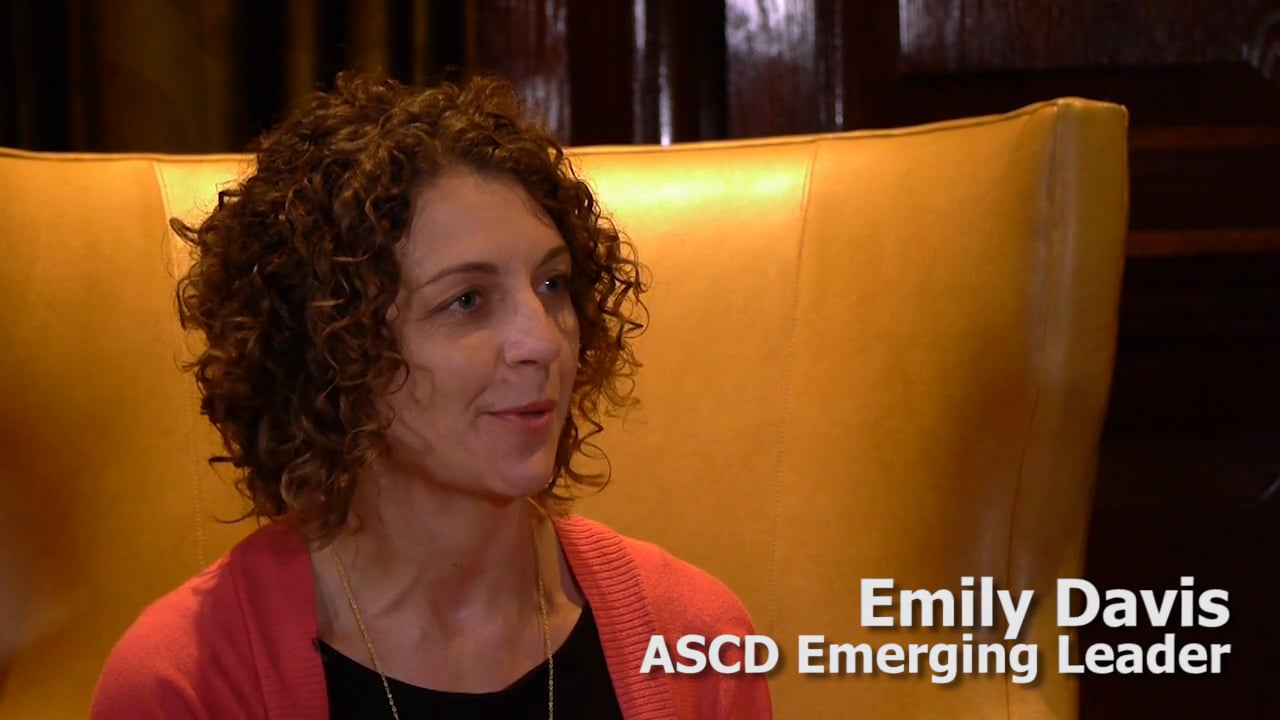
Emily Davis of the New Teacher Center discusses teacher preparation, declining enrollment in prep programs and her book on mentoring new teachers.

Emily Davis, ASCD Emerging Leader, is the New Teacher Center Program Director, Santa Cruz/Silicon Valley New Teacher Project. Davis is also the author of Making Mentoring Work. Davis stalks about her work and the topics currently driving education. Summary of Making Mentoring Work (published by Rowman and Littlefield): Making Mentoring Work is a practical guide for school leaders interested in beginning or enhancing their mentoring programs for new teachers. Readers can use the mentoring program rubric to pre-assess their program and then choose the chapters that correspond to areas of growth. Each chapter provides background research as well as practical steps and tools to make mentoring work in a school environment. At the end of each section, readers will find discussion guides that support program leaders in making the next steps; organizing conversations with stakeholders that will transform and streamline new teacher support programs; and increase new teacher retention and practice.
Listen to this article (1 minute 4 seconds)Listen to this article1 min 4 s · read by a computer voice

Emily Davis17 min 59 sedCircuit on Vimeo

Emily Davis, ASCD Emerging Leader, is the New Teacher Center Program Director, Santa Cruz/Silicon Valley New Teacher Project. Davis is also the author of Making Mentoring Work. Davis talks about her work and topics currently driving education.

Summary of Making Mentoring Work (published by Rowman and Littlefield): Making Mentoring Work is a practical guide for school leaders interested in beginning or enhancing their mentoring programs for new teachers. Readers can use the mentoring program rubric to pre-assess their program and then choose the chapters that correspond to areas of growth. Each chapter provides background research as well as practical steps and tools to make mentoring work in a school environment. At the end of each section, readers will find discussion guides that support program leaders in making the next steps; organizing conversations with stakeholders that will transform and streamline new teacher support programs; and increase new teacher retention and practice.

Related: ASCD 2015 Day 2 Highlights!

More on Teacher Retention

  • : Author
    Program Director, Santa Cruz/Silicon Valley New Teacher Project, New Teacher Center

    Emily Davis, PhD, is Program Director of the Santa Cruz/Silicon Valley New Teacher Project at New Teacher Center. An ASCD Emerging Leader, Davis is the author of Making Mentoring Work, a Rowman and Littlefield guide for school leaders building or improving mentoring programs for new teachers. At the time of this 2015 edCircuit interview, Davis discussed teacher preparation and new-teacher support.

    View all posts
Blue hero banner promoting a CoSN resource on screen time policies for district leaders, with a booklet image and the URL CoSN.org/screentimepolicy (From Screen Time Mandates to Purposeful Technology Policies and Guidance).

Join Thousands of Other Subscribers

This field is for validation purposes and should be left unchanged.

Participate in the COmmunity

Promotional banner with a book cover on the left titled 'Purposeful Technology, Powerful Learning: You Can't Ban Possibility' and a blue text panel on the right reading '13 districts. Real classrooms. Documented stories of technology used with intention. Learn More: stayh... com' with the CoSN logo at the bottom.
CoSN 2027 logo with citrus fruit elements on a blue and orange background promoting the April conference in Orlando.

Use EdCircuit as a Resource

Would you like to use an EdCircuit article as a resource. We encourage you to link back directly to the url of the article and give EdCircuit or the Author credit.

MORE FROM EDCIRCUIT