Topic Channel
Science and Lab Safety
Articles, insights and analysis on Science and Lab Safety from EdCircuit.
Latest · page 2
Science and Lab SafetyLab Safety Lessons From Fishers High SchoolLab safety matters. The Fishers High School incident shows why every school needs strong protocols and a trained Chemical Hygiene Officer.
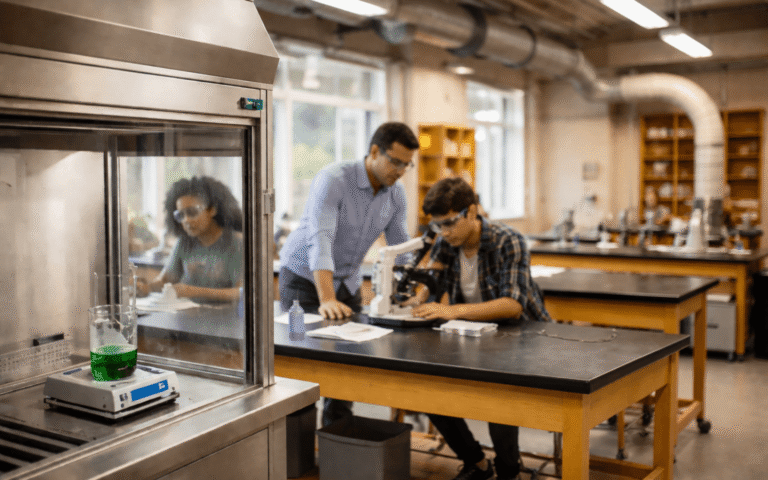
Science and Lab SafetySchool Ventilation Safety: Labs, CTE & ClassroomsSchool ventilation safety in labs, CTE, art rooms, and classrooms reduces exposure, supports Duty of Care, and protects student learning.
Science and Lab SafetyChemical Hygiene Officer: Why Every District Needs OneEvery district and building needs a full-time Chemical Hygiene Officer (CHO). Without one, lab safety gaps put teachers, students, and administrators at risk.
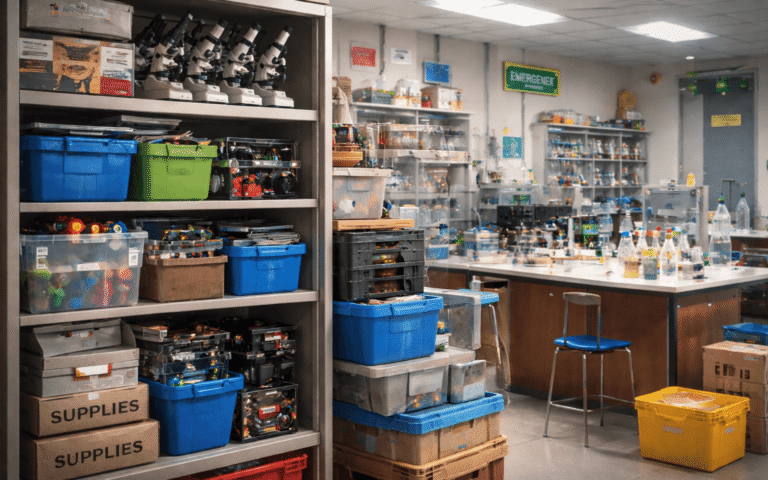
Science and Lab SafetySTEM Lab Storage Safety: When Storage Becomes RiskSTEM lab storage safety matters more than schools realize. Crowded cabinets, stacked equipment, and shrinking pathways can quietly increase risk.
Science and Lab SafetySchool Equipment Safety Decisions Start Before PurchaseSchool equipment safety decisions begin at purchase—shaping storage, supervision, movement, and response time in STEM and CTE spaces.
Science and Lab SafetyAfrican Americans Who Shaped Safety in Science EducationThis Black History Month, we honor African Americans whose leadership and science reshaped lab safety and strengthened science education.
Science and Lab SafetySafety Audits That Matter in Active ClassroomsSafety Audits must examine real classroom conditions, not empty rooms—this Safer Ed episode explains how schools uncover risk before incidents occur.
Science and Lab SafetyWho Owns Safety? Turning Near Misses Into ActionNear miss reporting in schools: what OSHA recommends and a seven-step plan for who reports, who decides and who responds.
Science and Lab SafetySafer STEM Spaces Begin With Honest SignalsSTEM lab near misses point to space, layout and class size. A federal definition and a simple log to start.