

edcircuit
Share Your Voice on edCircuit
Blue hero banner promoting a CoSN resource on screen time policies for district leaders, with a booklet image and the URL CoSN.org/screentimepolicy (From Screen Time Mandates to Purposeful Technology Policies and Guidance).
Home K-12 Teachers Community Organizer Turned Teacher Aims for Social Change
2 minutes read

Community Organizer Turned Teacher Aims for Social Change

Teacher and author Larry Ferlazzo describes how his years as a community organizer shape his work with English language learners.

Larry Ferlazzo is a highly influential educator and author of nine books on teaching and education.
Listen to this article (4 minutes 48 seconds)Listen to this article4 min 48 s · read by a computer voice
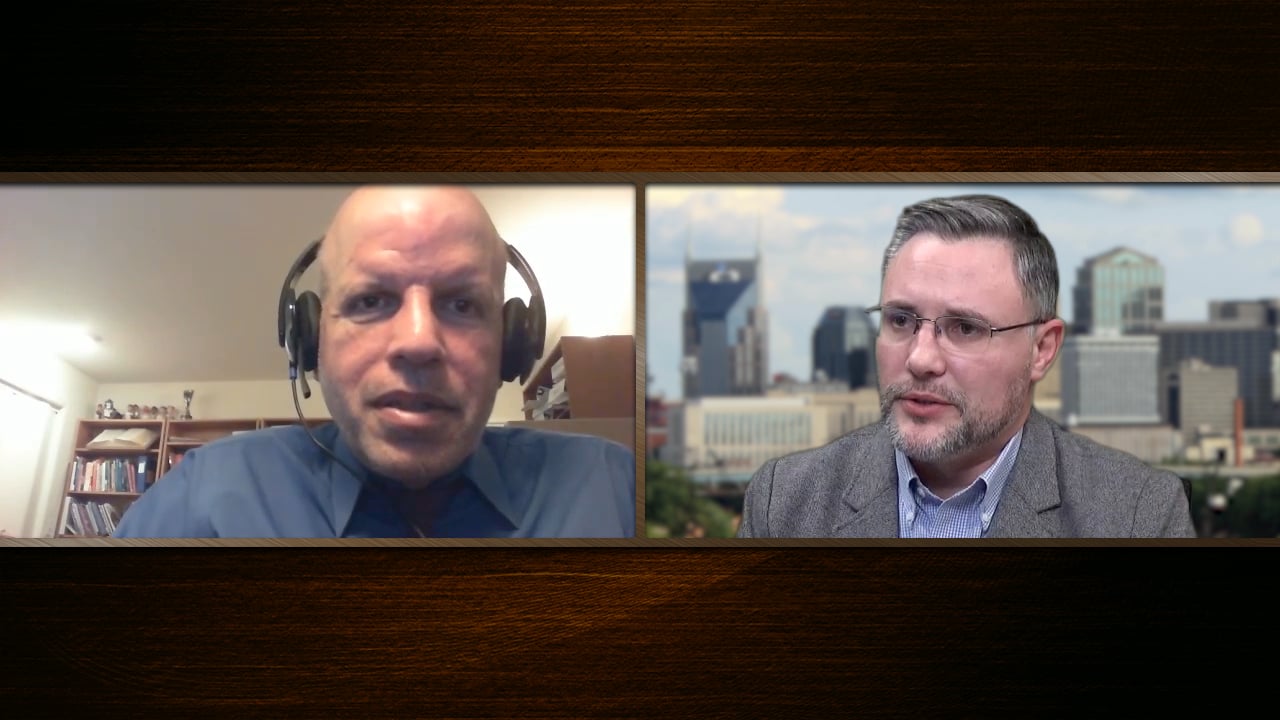
CoffeED: Larry Ferlazzo23 min 19 sedCircuit on Vimeo

Larry Ferlazzo is proactive in being a positive influence in education Larry Ferlazzo is a highly influential educator and author of nine books on teaching and education. He teaches English and Social Studies, and he specializes in teaching English Language Learners. Larry is known for sharing resources with other education professionals to help them improve their instruction techniques.

The Statue of Liberty rises above thick swirling fog with only the upper portion of the statue clearly visible against a gray misty backgroundLarry has been teaching for quite some time, but before becoming an educator, he had a long and successful career as a community organizer. If you place both callings together, it is evident that he is proactive in influencing social change.

“I came to teaching after a 19-year career in community organizing, so I’m very interested in trying to influence social change,” he says. “As I became more familiar with how I could connect with educators online, I began to think about how I can use that to influence folks on education policy issues. My teaching style is a combination of both practical teaching and bringing a political perspective to the work.

“From the very beginning, one of the reasons I was attracted to teaching was I saw how people had dramatically improved their lives through organizing. I saw what they learned through organizing and how they could work with different people on common concerns, the value of diversity, and the power that people actually had. People were learning this in their twenties, thirties, forties, fifties, and sixties dramatically improving their lives.

“I thought that if people learn these skills a little earlier, they could improve their lives sooner. So that’s one of the reasons I originally got into teaching. And from the very beginning, I applied those skills to work in the classroom with students.”

I appreciate Larry’s thought leadership in education, and his willingness to speak up and share ideas with other professionals to make education better for all stakeholders involved.

Further Reading

  1. Education Week – Response: Underused Teaching and Learning Strategies
  2. The New York Times – Enriching Academic Vocabulary: Strategies for Teaching Tier Two Words to E.L.L. Students
  3. People – North Carolina Teacher Is Changing the Lives of Her ESL Students — and Their Families

More on K-12 Teachers

  • Educator and author

    Ferlazzo is proactive in being a positive influence in education Larry Ferlazzo is a highly influential educator and author of nine books on teaching and education.

    View all posts
Promotional banner for Safer Ed: The School Safety Podcast, with students walking in a school hallway and a prominent Listen Now button.

Join Thousands of Other Subscribers

This field is for validation purposes and should be left unchanged.

Participate in the COmmunity

Promotional banner with a book cover on the left titled 'Purposeful Technology, Powerful Learning: You Can't Ban Possibility' and a blue text panel on the right reading '13 districts. Real classrooms. Documented stories of technology used with intention. Learn More: stayh... com' with the CoSN logo at the bottom.
Share Your Voice on edCircuit

Use EdCircuit as a Resource

Would you like to use an EdCircuit article as a resource. We encourage you to link back directly to the url of the article and give EdCircuit or the Author credit.

MORE FROM EDCIRCUIT