Topic Channel
Teaching Strategies
Articles, insights and analysis on Teaching Strategies from EdCircuit.
Latest · page 15
Teaching StrategiesThe Pleasure-Pain Principle Of InstructionAlex Terego | Author
Social-Emotional LearningAre We Doing Enough To Educate The Adolescent Mind?Dr. Thomas Armstrong, ASCD author of The Power of the Adolescent Brain: Strategies for Teaching Middle and High School Students, as well as, numerous other publications, sat down to discuss the intersection of education with mental health and the effects of teaching methods on the adolescent brain. Dr. Armstrong stresses the need for a better-balanced approach to education that concentrates on both the emotional brain and the reasoning mind.
Teaching StrategiesIt’s Ok; I Was Just . . .It’s ok; I was just . . .
Teaching StrategiesThe Power of the Visual Presentation: Reasons to Revamp Your LecturesedCircuit Opinion: To many, the thought of lecturing in front of a large group of people is incredibly daunting. For educators, this is their everyday reality. It’s easy to assume that skilled public speakers are naturally talented and that effective communications are a rare group of outspoken and articulate individuals. The reality is that one’s ability to present in an engaging and persuasive way must be learned and frequently practiced. Without this skill, it’s easy to lose your audience’s attention. The Atlantic published that many college lectures today are deemed as dull.
Assessment and TestingDo We Actually Know What Formative Assessment Is?We caught up with regular edCircuit contributor, Howard Pitler, at the ASCD annual conference to discuss what is and is not formative assessment in education.
Gamification and Game-Based LearningHow One Educator is Designing Classes Around GamesGame based learning depends on design. Jonathan Cassie's 2016 interview on building classes like games, with an update on the research.
Teaching StrategiesThe Power of Play: Sedentary Classrooms Lead to Disinterested StudentsPlay based learning, recess and classroom movement are backed by AAP and CDC guidance. Here is what each says and what schools can decide.
Teaching StrategiesCan You Call Yourself a Teacher After 2 Years?True teaching takes years of relationship-building, not just following scripts. Discover why two years in the classroom may not make you a real teacher.
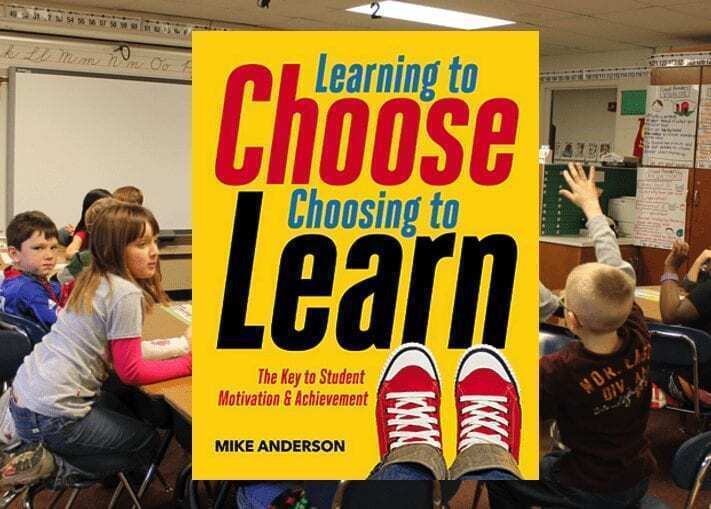
StudentsGiving Students Power & ControlMike Anderson, frequent contributor to edCircuit and known as The Well Balanced Teacher, spent time with edCircuit at the ASCD conference in Atlanta, Georgia. Anderson discussed what occurs when students have more choices about their learning, stating that they find ways of learning that matches their personal needs. The result, says Anderson, is that students are more engaged in their work, building skills and work habits that will serve them well in school and beyond.