Author/Expert Channel
EdCircuit Staff
Articles, insights and analysis from EdCircuit Staff on EdCircuit.

EdCircuit Staff
@edcircuitstaff
edCircuit is a mission-based organization entirely focused on the K-20 EdTech Industry and emPowering the voices that can provide guidance and expertise in facilitating the appropriate usage of digital technology in education. Our goal is to elevate the voices of today’s innovative thought leaders and edtech experts. Subscribe to receive notifications in your inbox
Recent posts

High School Athletics Arms Race: Who Pays?The high school athletics arms race is transforming facilities, but taxpayers, donors, and students do not share the costs or benefits equally.
E-Rate at a Crossroads: What Schools Need to KnowE-Rate helps schools afford reliable connectivity. As the FCC weighs major changes, educators have until October 13, 2026, to share their experiences.
Teacher In-Service and Artificial IntelligenceTeacher in-service is transforming through artificial intelligence, giving educators personalized professional learning that fits their roles and goals.
Educational Technology: A Guide to Ed Tech in SchoolsA guide to educational technology for school leaders, CTOs, teachers and families: evidence, LMS, buying, funding, privacy, cybersecurity and accessibility.
AI Training for Teachers: Beyond Prompts and ToolsAI training for teachers must go beyond prompt writing to address privacy, accuracy, assessment, student use, bias, and professional judgment.
Professional Development for Teachers: What Works, Coaching, PLCs, Title II and License RenewalA guide to teacher professional development for district leaders, PD directors, coaches and teachers: research, coaching, PLCs, funding and renewal.
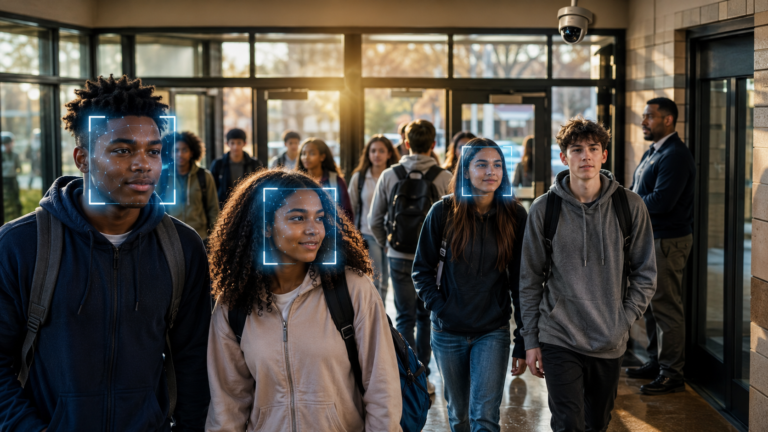
Facial Recognition in Schools: Safety or Surveillance?Facial recognition could strengthen school security and attendance tracking, but are its benefits worth the privacy risks for students?
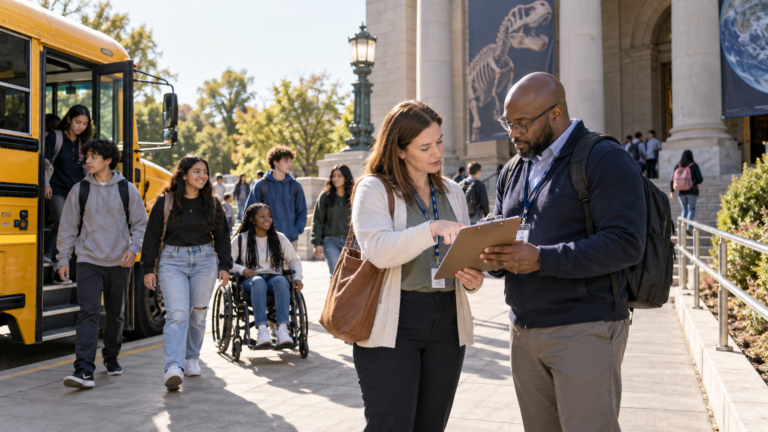
School Trip Safety: Every Transition Is a HandoffSchool trip safety depends on clear handoffs, accurate rosters and confirmed releases. A Safer Ed episode covers who is responsible when students leave campus.
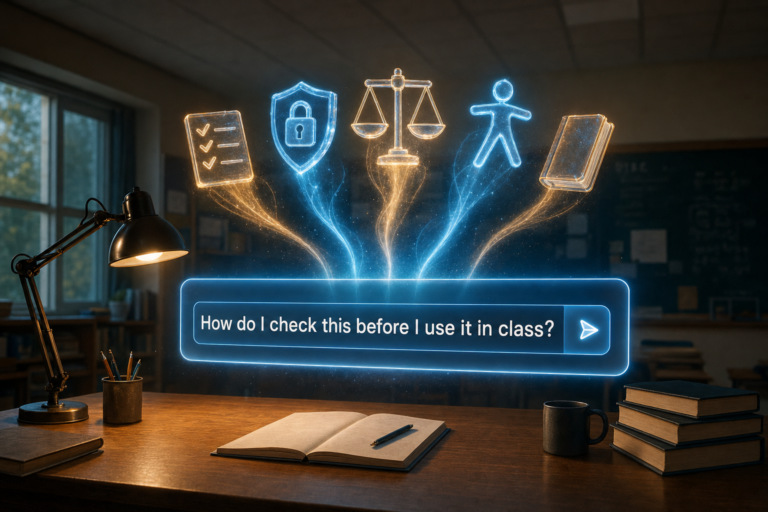
AI Procurement for Schools: 10 Questions to AskAI procurement for schools should examine student data, privacy, security, accuracy, accessibility, human oversight, long-term costs, and accountability.
STEM Education Guide: STEM vs. STEAM, Careers, Achievement, Computer Science and Activities for K-12 SchoolsA guide to STEM and STEAM education for school leaders, STEM coordinators, CTE directors, teachers and families: evidence, access, careers and practice.
First Weeks of School: You Survived. Now What?First weeks of school tips for teachers and leaders, using 2026 RAND data on stress, workload and outside work.
Flock Cameras in Schools Face Growing PushbackSchool districts are removing or reviewing Flock cameras as students and communities question privacy, data sharing and documented safety value.
Inside Today’s High School Media ClassroomInside today’s high school media classroom, students create video, podcasts, livestreams, and digital content while learning real-world media skills.
Digital Citizenship Guide: Frameworks, Lessons, Laws and AI for K-12 SchoolsA guide to digital citizenship for school leaders, teachers, librarians and families: frameworks, lessons, law, cyberbullying, AI and deepfakes.
AI in Schools: What Technology Should Never DecideAI in schools can support educators, but decisions involving grades, discipline, services, safety, and opportunity must remain in human hands.
Chemical Hygiene Plan: A Portland Reminder for Every SchoolThe Benson High incident shows why every school using chemicals needs a current Chemical Hygiene Plan, trained staff, and practiced spill-response procedures.
Teacher In-Service Meets MicrolearningTeacher in-service is embracing microlearning, giving educators shorter, focused professional learning that fits busy schedules and improves classroom practice.
School Threat Assessment: Connecting Warning SignsSchool threat assessment works when people know what to report, where to report it, and how concerns become coordinated support.
AI Leadership Requires a Human ApproachAI leadership requires trust, communication, and governance as districts balance innovation with ethics and human-centered decision-making.