Work-Based Learning Is More Than an Internship
High-quality experiences connect classrooms, employers, mentors, and reflection so students learn through work—not simply spend time at a worksite.


Work-based learning becomes meaningful when internships, apprenticeships, and employer projects include clear goals, mentoring, safety, and reflection.
Work-based learning can place two students in the same building and give them entirely different educations.
One spends a semester making copies, cleaning work areas, and waiting for someone to find a task. The other meets regularly with a mentor, practices skills connected to a course, receives feedback, and completes a project that matters to the organization.
Both experiences may appear on a district spreadsheet as internships. Only one was designed as learning.
As high schools expand career and technical education, work-based learning has become one of its most promising—and loosely used—ideas. It can describe anything from a workplace tour to a multiyear apprenticeship. Its quality depends on what schools and partners build around it.
A Workplace Is Not Automatically a Classroom
A student can be surrounded by real work and still learn very little. Businesses are built to serve customers, meet deadlines, and keep operations moving. Schools remain responsible for making sure a placement also supports student growth.
The U.S. Department of Education’s Work-Based Learning Toolkit identifies three features of a comprehensive program: alignment between classroom and workplace learning, opportunities to apply skills in a work setting, and support from mentors.
Those principles can guide experiences across the work-based learning continuum. Guest speakers, career fairs, and workplace tours introduce possibilities. Job shadows and employer-designed projects let students investigate a field more closely. Internships, school-based enterprises, and apprenticeships give prepared students opportunities to perform increasingly authentic work.
This brief overview from the North Carolina Business Committee for Education explains how work-based learning connects classroom instruction with career awareness, exploration, and real-world experience.
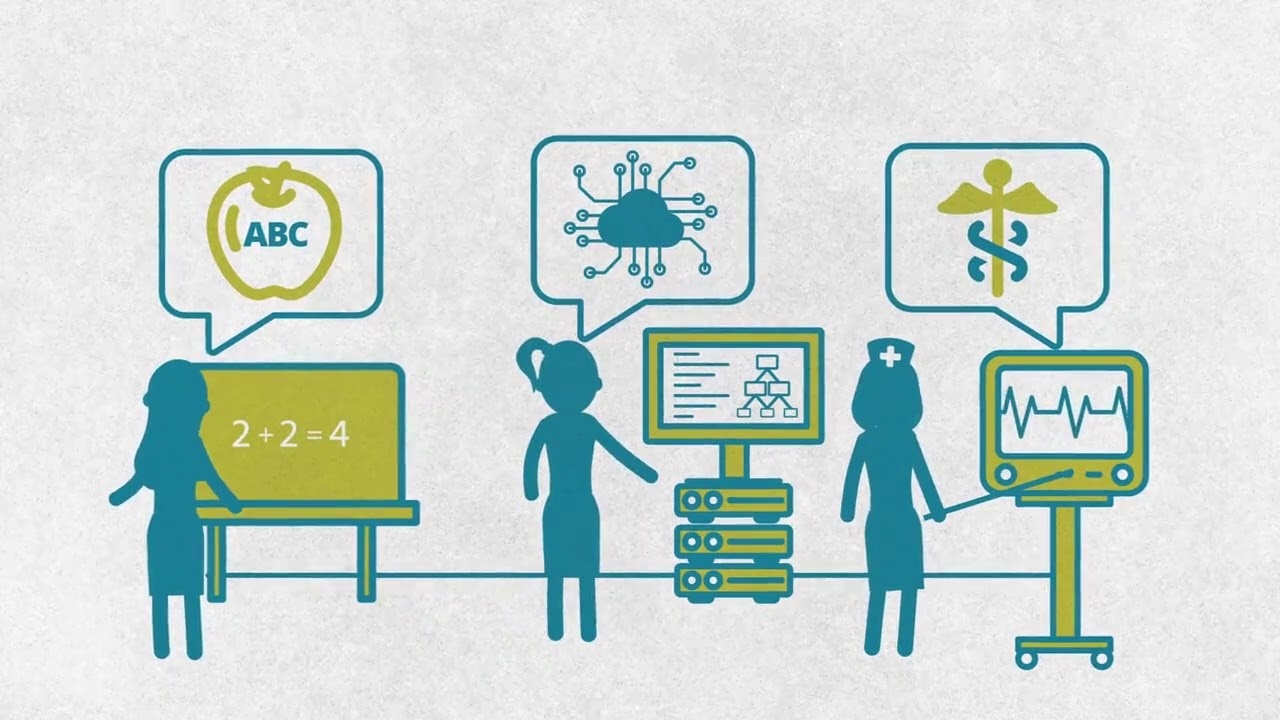
Not every experience needs to be lengthy or intensive. A well-planned workplace visit can challenge a student’s assumptions about a career. A sustained internship can build technical ability, professional habits, workplace relationships, and evidence of growth.
What matters is intention. A short experience with clear goals and meaningful reflection may accomplish more than a semester-long placement in which the student is given little direction or responsibility.
The Learning Begins Before the Placement
Students cannot be expected to arrive at a worksite and decode workplace culture on their own.
Preparation can address communication, punctuality, confidentiality, technology use, and how to ask for help. It also gives students something specific to learn. “Explore healthcare” is vague. “Observe how a care team communicates during a shift change” gives a student a practice to notice and question.
The placement must also fit the pathway. If a design student is assigned only clerical work, or a construction student never sees how plans guide a build, being near an industry is being mistaken for participating in it. A good match begins with the student’s interests and learning goals, not simply the next employer with an opening.
Then there is the mentor. A person may be outstanding at a job and still need guidance on working with a teenager. Mentors need to understand what the student already knows, which responsibilities are appropriate, how often to check in, and whom to contact at school.
The best mentors make their thinking visible. Rather than correcting an error and moving on, they explain what they noticed. As confidence grows, they introduce more demanding work. Students also see how professionals handle deadlines, communicate with clients, ask for help, and maintain standards.
A short orientation, sample activities, and a simple feedback process can prepare an employer for that role.
Safety Belongs Inside the Learning
For many students, a placement is their first professional environment. They may be reluctant to admit that they do not understand a procedure or that something feels unsafe.
OSHA says employers must provide young workers with a workplace free from serious recognized hazards, train them about hazards and required protective equipment, and explain what to do if an injury occurs. Federal and state child labor laws may also restrict the hours minors work, the tasks they perform, and the equipment they use.
Before students arrive, schools and employers need clear plans for supervision, transportation, work permits, insurance, emergencies, accommodations, and reporting concerns. Everyone involved—including families—needs to know who is responsible for what.
These safeguards are not paperwork standing between students and real work. Learning to recognize a hazard, follow a procedure, and speak up when conditions are unsafe is part of becoming a professional.
Give Students Work Worth Learning From
Authentic work does not mean treating a 16-year-old like an experienced employee. It means allowing the student to contribute at an appropriate level and understand why the contribution matters.
Every occupation includes routine tasks. An internship becomes a problem when errands, observation, or cleanup become the entire experience. By the end, students need to be able to name a skill they improved, explain how they responded to feedback, and point to something they completed or helped accomplish.
Schools should prioritize paid placements when students are performing sustained, productive work—especially when an unpaid experience would prevent some students from participating. Payment will not be possible in every setting, but districts still need to examine the educational value, time commitment, and effect on access. An employer’s willingness to host a student does not automatically make the arrangement worthwhile.
Reflection and Feedback Complete the Experience
Some of the most important learning happens after the student leaves the worksite.
A journal, portfolio, classroom conversation, or presentation requires students to interpret what occurred. Which classroom skill appeared on the job? What surprised them? Did the experience deepen their interest or reveal a poor fit?
That last result still has value. Discovering a poor fit before paying for a degree or credential can save time and tuition. With reflection, disappointment becomes useful information for the next decision.
Regular check-ins also reveal problems an employer may not notice. A student can appear quiet and cooperative while feeling completely lost. Teachers and coordinators need enough contact to adjust responsibilities, resolve concerns, or end a placement that is not serving the student.
The same feedback loop helps employers. A concise agreement can establish the schedule, goals, tasks, safety expectations, and responsibilities on both sides. Employers need one reliable school contact. They also deserve a voice in pathway improvement because they often see new tools and skill needs before schools do.
Strong Programs Make Their Design Visible
Several Indiana programs demonstrate what this structure can look like. Perry Central Community Schools redesigned its schedule so seniors could intern for a full day each week; about 80 percent of its high school seniors participate. EmployIndy’s three-year Modern Apprenticeship begins during 11th grade and combines paid experience with college credits and credentials. In rural southern Indiana, three districts share opportunities through COSMOS, including a student-run manufacturing enterprise.
These programs do not follow one formula. They respond to different communities and employer networks. Their common ground is visible structure: protected time, adult coordination, meaningful student responsibilities, and a clear role for industry partners.
Districts also need to look beyond placement totals and completed hours. Did students perform meaningful tasks? Did they receive useful feedback and feel safe asking questions? Could they connect the experience to their courses and future plans? Student reflections, employer feedback, completed projects, and skill demonstrations tell a fuller story than participation numbers alone.
The Test Is What Students Carry Forward
The real measure of work-based learning appears after the experience ends.
Students ought to leave with more than a line on a résumé. They need a clearer understanding of an occupation, stronger technical and professional skills, evidence of what they can do, and an adult who can speak to their growth. They may also leave with the certainty that they want to choose a different direction. That is useful knowledge, too.
None of this happens simply because a student entered a workplace. It happens when educators and employers decide what the student is there to learn, provide worthwhile opportunities to practice, and remain involved long enough to see whether the experience delivers.
Subscribe to edCircuit to stay up to date on all of our shows, podcasts, news, and thought leadership articles.
Related reading
More on Career and Technical Education (CTE)